Find an OCD Therapist in Illinois
Find therapists who specialize in obsessive-compulsive disorder (OCD) throughout Illinois, from urban centers to suburban communities. Browse the listings below to compare approaches, locations, and availability before you reach out.
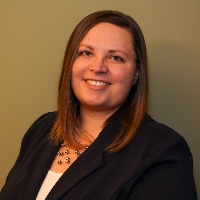



Angela Veach
LCPC
Illinois - 25 yrs exp

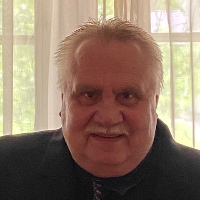
Dr. Cindy Cook
LCSW
Illinois - 23 yrs exp

















How OCD therapy works for Illinois residents
If you are seeking help for obsessive-compulsive disorder in Illinois, therapy typically begins with an assessment to understand how symptoms affect your daily life. A clinician will ask about your thoughts, behaviors, routines, and any avoidance patterns you may have. That intake conversation helps shape a treatment plan that fits your priorities and schedule. Most therapists use evidence-based approaches such as exposure and response prevention - a behavioral method that gradually helps you face distressing thoughts or situations while reducing the compulsion to perform rituals. You can expect regular sessions, homework exercises between appointments, and periodic progress reviews to adjust strategies as you improve.
Finding specialized help for OCD in Illinois
When looking for an OCD specialist, consider clinicians who focus on anxiety disorders and who have training in cognitive-behavioral therapies. In Illinois you will find such clinicians in a range of settings - private practices, community mental health centers, university clinics, and hospital-based programs. Large metropolitan areas like Chicago host specialists with experience treating severe or complex presentations, while suburban communities such as Aurora and Naperville offer experienced therapists who provide flexible scheduling for working adults and families. You may also find focused programs near Springfield or Rockford that coordinate with other services such as psychiatric evaluation or group therapy. It helps to check therapist profiles for references to OCD-specific training or certifications and to ask about case experience during an initial consultation.
What to expect from online therapy for OCD
Online therapy has become a practical option for many Illinois residents, particularly if you live outside a major city or need appointments outside typical office hours. With telehealth, you meet with a licensed clinician by video or phone from a comfortable setting at home. Sessions often follow the same structure as in-person therapy, including exposure exercises that you complete in your environment. Your therapist will guide you through these exercises, help you plan homework, and teach skills to manage anxiety as it arises. It is important to confirm that the therapist is licensed to practice in Illinois and to understand their policies on session length, emergency procedures, and coordination with other providers if you see a psychiatrist or primary care clinician. For people in Chicago, Aurora, or Naperville, a mix of in-person and online options is commonly available so you can choose what fits your life.
Practical considerations for online sessions
You should decide whether you have an uninterrupted, comfortable space to engage in video sessions and set expectations with household members if you need privacy during appointments. Many therapists will provide guidance on how to structure exposure exercises safely in your home or community. If you plan to use insurance, verify coverage for telehealth sessions and whether the therapist accepts your plan. For people in rural areas of Illinois, online therapy can expand access to specialists who might otherwise be distant.
Common signs that someone in Illinois might benefit from OCD therapy
You might consider therapy if intrusive thoughts, repetitive behaviors, or excessive fears interfere with work, school, relationships, or daily routines. Signs include spending hours on rituals that reduce anxiety only briefly, avoiding situations that trigger distress, or experiencing intense shame or loss of control related to your thoughts. You may find that routines take longer to complete or that you repeatedly check things - such as locks, appliances, or health-related information - despite believing they are safe. In college towns and urban neighborhoods across Illinois, these symptoms can be particularly disruptive when they affect your ability to commute, meet deadlines, or participate in social life. Early help can reduce the time symptoms dominate your schedule and improve overall functioning.
Tips for choosing the right OCD therapist in Illinois
Start by looking for clinicians who identify OCD as a specialty or who list training in exposure and response prevention and cognitive-behavioral therapy. When you contact a therapist, ask about their experience with cases similar to yours and how they measure progress. Practical questions include session frequency, expected length of treatment, and whether they offer in-person sessions in nearby cities like Chicago, Aurora, or Naperville. Consider logistical factors such as office hours, sliding-scale fees or insurance participation, and whether they provide evening or weekend appointments if you work full-time. Trust your sense of fit - a therapist who listens, explains approaches clearly, and partners with you on goals often makes the work more effective.
Navigating licensing and professional credentials
Therapists in Illinois hold a range of professional licenses and degrees. You can look for credentials that indicate clinical training and experience, and you may want to clarify whether the clinician has additional training specific to OCD. It is acceptable to ask about supervision arrangements if a clinician is early in their career. If your situation includes co-occurring concerns - such as depression, substance use, or medical issues - find a provider who coordinates care with other professionals so your treatment plan addresses the whole picture.
Working with families and support networks
OCD often affects more than the person who experiences symptoms, and family involvement can be a useful part of treatment. Therapists in Illinois commonly invite partners, parents, or other close supports to join sessions when it helps structure exposure exercises or to learn ways to respond that reduce unhelpful accommodation. In communities such as Chicago and Naperville there are also support groups and educational workshops that teach family members about OCD and coping strategies. You should discuss with your therapist how and when to involve others in your care so that it aligns with your goals and comfort level.
Making the first contact and moving forward
Reaching out to a therapist can feel daunting, but the initial contact is simply a chance to ask questions and get a sense of how you would work together. Many clinicians offer brief phone consultations to discuss concerns and explain their approach, which can help you decide whether to schedule a full appointment. If you try a therapist and find the fit is not right, it is reasonable to discuss options for referrals or to try a different clinician. You deserve a treatment relationship where you feel heard and supported while you practice new skills. In Illinois, whether you live in a large city, a suburban neighborhood, or a smaller town, you have options to pursue specialized OCD care that aligns with your life and values.
Next steps
Use the listings above to review profiles, check areas of focus, and note logistical details like location and appointment types. Prepare a short summary of your concerns to share on first contact so the clinician can suggest an initial plan. With the right support, you can learn strategies that reduce the hold OCD has on your time and choices and move toward a daily routine that feels more manageable and meaningful.