Find an LGBT Therapist in Illinois
This directory page highlights therapists in Illinois who specialize in LGBT issues and related mental health concerns. Use the listings below to compare specialties, locations, and availability and find a clinician who matches your needs.
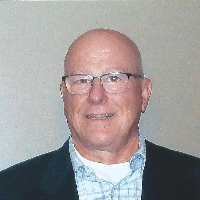




Angela Veach
LCPC
Illinois - 25 yrs exp

















How LGBT therapy typically works for Illinois residents
When you begin looking for LGBT-focused therapy in Illinois, you will find clinicians who blend general mental health training with specialized knowledge about sexual orientation and gender identity. Many therapists draw on frameworks that emphasize identity affirmation, coping with minority stress, and practical skills for navigating relationships and social systems. Therapy often begins with an intake session where you and the therapist discuss immediate concerns, goals for treatment, and logistics such as session frequency and fees. From there you can expect ongoing sessions that adapt to your pace - some people prefer short-term, problem-focused work while others pursue longer-term therapy to explore identity and life changes.
Licensure and the Illinois context
Therapists in Illinois work under state professional licenses such as licensed clinical social workers, licensed clinical professional counselors, marriage and family therapists, and licensed psychologists. Because regulations vary by state, you should confirm that the clinician is licensed to practice in Illinois. Licensing ensures that the provider has met state education and training requirements, and many clinicians list their license type and number on their directory profile. If you are using online therapy, note that the clinician must be authorized to provide services to clients who are physically located in Illinois during the session.
Finding specialized LGBT help in Illinois
Finding a therapist who understands the nuances of LGBT experience starts with looking for cultural competence and relevant experience. You can read profiles to see if a therapist mentions work with coming out, gender transition support, relationship issues for same-sex couples, or intersectional concerns such as race, faith, and immigration. In larger communities like Chicago, Aurora, and Naperville you may find clinicians who offer specialized services for subpopulations, including trans and nonbinary care, youth and adolescent services, and couples counseling. If you live outside major metro areas, consider therapists who provide telehealth to bridge geographic gaps while maintaining an Illinois license.
Community settings and referrals
You may also find therapists embedded in community health centers, university counseling clinics, and nonprofit organizations that focus on LGBT wellness. These settings sometimes offer sliding scale fees or group programs that can complement individual therapy. Asking for a referral from a local advocacy group, a campus resource, or a primary care clinician can be a practical way to discover providers who are trusted in your community.
What to expect from online therapy for LGBT care
Online therapy is a common option in Illinois and it can be especially useful if you have transportation limits, live in a smaller town, or prefer the convenience of remote sessions. When you choose an online clinician, expect an initial discussion about technology - what platform you will use, how to handle scheduling, and what to do if connectivity is interrupted. Therapists typically describe how they handle record keeping and how they will reach you in an emergency. You should also expect the same clinical approaches online as in-person, including talk therapy, skills training, and referrals when you need specialized medical or legal support. Online therapy can allow you to connect with clinicians in Chicago or other cities who have particular expertise you cannot easily find locally.
Common signs that someone in Illinois might benefit from LGBT therapy
You might consider seeking LGBT-focused therapy if you are facing persistent feelings of anxiety, depression, or isolation related to your sexual orientation or gender identity. Struggles with coming out, experiencing rejection from family or friends, difficulty navigating medical or legal systems, and relationship conflicts that center on identity are common reasons people reach out. You may also seek therapy for help with gender transition planning, coping with discrimination or harassment at work or school, or managing shame and internalized stigma. Even if your primary concern is not identity-related, a therapist with LGBT experience can help you explore how identity intersects with stress, relationships, and life goals.
Practical tips for choosing the right LGBT therapist in Illinois
When you review therapist profiles, pay attention to language that signals cultural competence - phrases that indicate experience with transgender and nonbinary clients, affirmation of diverse relationships, and attention to intersectional issues such as race, disability, and faith. Consider asking potential therapists about their training in LGBT issues, whether they have worked with people who share your background, and how they approach topics like coming out or transition. It is reasonable to ask about logistics early on - fees, insurance or out-of-network billing, sliding scale options, session formats, and cancellation policies - because these practical details affect how consistent your care can be.
Matching therapeutic style and approach
Therapists use many approaches - cognitive behavioral, narrative, psychodynamic, trauma-informed, and affirmative therapy models among them. You should look for a therapist whose approach aligns with your preferences and goals. If you value direct skills training for anxiety or relationship conflict, a clinician who emphasizes evidence-based techniques may be a good fit. If you want to explore identity, values, and life meaning, someone who offers longer-term, exploratory work may be preferable. Many therapists are happy to explain their approach during an initial consultation so you can decide whether it feels right.
Making therapy accessible in different Illinois communities
Access varies across the state. Urban centers like Chicago often have a wider range of LGBT-specialized clinicians, bilingual providers, and specialized clinics. Suburban cities such as Aurora and Naperville typically have therapists who serve families, adolescents, and adults with LGBT-related concerns. If you live in a more rural area, telehealth may expand your options and allow you to work with clinicians in Chicago or other regions who offer the expertise you need. When accessibility is a concern, ask about sliding scale options, community clinics, and group programs as cost-effective ways to engage in care.
Preparing for your first sessions
Before your first session, think about what you want to get out of therapy and any immediate concerns you want to address. Prepare questions about the therapist's experience with LGBT issues, their approach to supporting partners or families, and how they handle crises or safety planning. You might also bring notes about recent stressors, relationship patterns, or health concerns so the clinician can quickly understand your context. Good therapy often begins with a collaborative conversation about priorities and a clear plan for next steps.
Closing guidance
Finding the right LGBT therapist in Illinois is a personal process that combines clinical fit, logistical practicality, and interpersonal comfort. Take advantage of directory profiles to compare clinicians, prioritize those who demonstrate cultural understanding and relevant experience, and use initial consultations to assess whether a therapist's style feels like a match. With persistence and a clear sense of your goals, you can find a clinician who helps you navigate identity-related challenges and supports your well-being across life's changes.