Find a Foster Care Therapist in Illinois
This page highlights foster care therapists practicing in Illinois who support children, foster parents, kinship families, and foster youth navigating placement and reunification. Browse the listings below to compare specialties, locations, and appointment options.




Angela Veach
LCPC
Illinois - 25 yrs exp

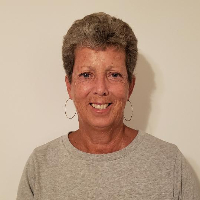











Dr. Kathryn (Kitty) Klee
LCPC
Illinois - 33 yrs exp







How foster care therapy works for Illinois residents
When you seek foster care therapy in Illinois, you are looking for clinicians who understand the unique needs of children and families involved with the child welfare system. Therapy often focuses on building safety, stabilizing relationships, improving coping skills, and supporting placement transitions. Providers commonly collaborate with foster parents, biological families when appropriate, caseworkers, educators, and other supports to create a consistent plan for the child. Services may be offered in-office, in community settings, in schools, or through online sessions to accommodate schedules and transportation needs.
Clinical approaches and coordination
Many therapists who specialize in foster care use trauma-informed, attachment-focused, and family-centered approaches. That means sessions can include age-appropriate play or expressive methods for younger children, developmentally tailored talk therapy for adolescents, and parenting-focused work with caregivers. In Illinois, therapists often document progress in a way that aligns with case plans and may work alongside the Department of Children and Family Services or other local agencies. It is common for therapeutic work to include safety planning, strategies for managing behaviors related to trauma or loss, and coaching to strengthen caregiver-child relationships.
Finding specialized help for foster care in Illinois
Start by looking for clinicians who list foster care, trauma, attachment, or child welfare experience as part of their practice. In urban centers like Chicago you will find a broad range of specialties and ancillary services such as family therapy groups and multidisciplinary clinics. Suburban areas such as Aurora and Naperville also have therapists with focused training, and many rural or smaller communities rely on telehealth to connect families with clinicians who have specific foster care expertise.
Questions to ask when searching
When you contact a provider, ask about their experience with foster care cases, their approach to working with children with placement histories, and how they coordinate with caregivers and agencies. Inquire about the typical length of treatment, how progress is measured, and whether the therapist provides parent coaching or supports school collaboration. If you are working with a caseworker or an agency, ask how the therapist handles communication and documentation to fit with existing case plans.
What to expect from online therapy for foster care
Online therapy has become a practical option for many families in Illinois, especially when local resources are limited or when schedules and transportation present obstacles. Through video sessions you can access clinicians with foster care experience from different parts of the state, while maintaining continuity of care after placement moves. Online sessions can work well for caregiver coaching, individual therapy for older children and teens, and for follow-up visits after an initial in-person assessment when that is possible.
Practical considerations for teletherapy
Before starting online therapy, confirm that the clinician is licensed to practice in Illinois and understands any agency requirements that affect documentation or reporting. Make sure you have a reliable internet connection and a device that supports video calls. You should also discuss how the clinician manages emergencies or safety concerns when sessions are remote, and establish a plan for contacting local supports if additional help is needed between appointments. Many therapists will offer a mix of in-person and virtual sessions to match family needs and the developmental needs of the child.
Common signs someone in Illinois might benefit from foster care therapy
Children and adolescents with foster care experiences may show changes that suggest therapeutic support could help. You might notice shifts in behavior such as increased withdrawal, aggression, sleep or eating disruptions, or difficulties trusting caregivers and peers. Academic performance or school attendance may decline. Caregivers often report difficulty managing intense emotions or behaviors that feel linked to past losses or instability. These signs do not mean a permanent condition - they indicate that additional support could help the child process experiences, learn coping strategies, and build stable relationships.
When to seek help
If you are a foster parent, relative caregiver, or birth parent and you observe ongoing emotional or behavioral challenges that affect daily functioning, it is reasonable to seek an assessment with a clinician experienced in foster care. Early engagement with a therapist can provide tools to manage current challenges, improve communication patterns, and make transitions smoother. You can also discuss concerns with a caseworker, school counselor, or pediatric provider who can help guide referrals to appropriate services in your community.
Tips for choosing the right therapist for this specialty in Illinois
Choosing a therapist is a personal process that should consider experience, fit, logistics, and the needs of the child and family. Look for clinicians who have specific training or experience with foster care, trauma-informed care, or attachment-based therapies. Ask about the therapist's experience working with caseworkers and with the documentation that agencies may request. Consider practical factors like location, evening or weekend availability, insurance or payment options, and whether the clinician offers telehealth.
Prioritizing relationship and cultural fit
The relationship between therapist, child, and caregiver is a primary factor in how well treatment works. You should feel comfortable asking about the therapist's approach to cultural sensitivity, family values, and language needs. In places like Chicago, a diverse array of clinicians may offer language-specific services or culturally responsive care. In Aurora and Naperville, therapists may be familiar with local schools and community resources that can support the therapeutic plan. Trust your instincts about whether the therapist listens to your concerns and includes caregivers in treatment planning.
Next steps and resources
If you are ready to start, review profiles to find therapists who list foster care or child welfare expertise, then reach out to schedule an initial consultation. During that conversation you can clarify goals, expected frequency of sessions, fees, and how the therapist coordinates with other professionals involved in the childs care. If transportation or scheduling is a barrier, consider clinicians who offer telehealth or flexible appointment times. Local agencies, schools, and community clinics can also recommend clinicians experienced with foster care issues in your area.
Foster care therapy is a way to help children and caregivers navigate the emotional and practical challenges that arise with placements and transitions. With thoughtful matching and collaboration among caregivers, therapists, and other supports, therapy can become one part of a larger plan to promote stability, coping, and stronger relationships. Explore the listings above to find clinicians practicing in Illinois who can partner with you on the next steps.