Find a Female Therapist in Illinois
This page connects you with Female Therapist practitioners serving Illinois, from urban centers to suburban communities. Explore detailed profiles below to compare specialties, approaches, and locations.
Browse the listings to find a therapist who matches your needs and reach out to schedule an initial session.





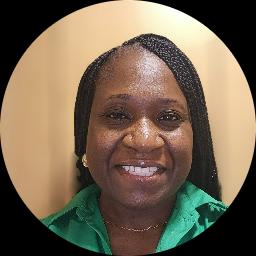



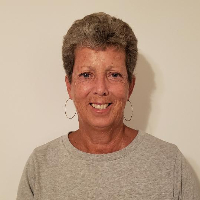
Angela Veach
LCPC
Illinois - 25 yrs exp










How Female Therapist Therapy Works for Illinois Residents
When you seek care from a Female Therapist in Illinois, the process typically begins with an initial consultation to talk about your concerns, goals, and what you hope to change. That first conversation helps shape a treatment plan that fits your life and preferences. Many practitioners combine assessment with discussion of practical details such as session length, fees, insurance acceptance, and whether you prefer in-person or online appointments.
Therapists in Illinois hold a range of licenses and titles. You may see licensed clinical social workers, professional counselors, marriage and family therapists, or psychologists offering services under the Female Therapist specialty. Each licensure comes with different training backgrounds and approaches, so it helps to read bios and ask questions about training, interventions, and areas of clinical focus when you contact a therapist.
Licensing and state practice considerations
If you choose online sessions, keep in mind that most clinicians must be authorized to practice in the state where you are physically located during the session. That means selecting a therapist who is licensed in Illinois if you are there. You can also ask therapists about their record keeping, intake procedures, and how they handle scheduling and cancellations so you know what to expect before your first session.
Finding Specialized Help for Female Therapist Needs in Illinois
Female Therapist services often address experiences and transitions that can be particularly relevant to people who identify as women. You may be looking for help with reproductive health transitions, perinatal and postpartum concerns, hormonal changes, relationship issues, workplace stress, or recovery from trauma. In Illinois you will find clinicians who emphasize different specialties - some focus on perinatal mental health while others emphasize trauma-informed care or relationship counseling. Reading therapist profiles will help you identify who has training in the areas that matter most to you.
Where you live in Illinois may influence the availability of certain specialties. Larger metropolitan areas like Chicago offer a wide range of clinicians with niche training and multilingual skills, while suburban communities in Aurora and Naperville often provide a strong selection of family-focused and community-oriented practitioners. If you live in a smaller town, you may find that online sessions expand your options and connect you with specialists who are not locally available.
What to Expect from Online Therapy for Female Therapist
Online therapy can be a convenient option if you have scheduling constraints, mobility issues, or live in an area with fewer in-person providers. When you opt for virtual sessions, you will usually use a video platform for live meetings, and some clinicians also offer phone sessions or text-based check-ins in between appointments. A typical online session mirrors an in-person appointment in structure - you and your therapist will talk through immediate concerns, review progress toward goals, and decide on next steps for skill-building or coping strategies.
Before your first online appointment, you may be asked to complete intake paperwork and consent forms digitally. You can expect the clinician to explain personal nature of sessions practices, limits of care, and emergency procedures during the first meeting. If you are managing issues related to reproductive health, pregnancy, or medical treatment, it is often useful to share relevant medical information or coordinate with other providers when appropriate so the therapeutic work aligns with your overall care.
Common Signs You Might Benefit from Female Therapist Therapy
You might consider reaching out to a Female Therapist if you experience ongoing emotional distress that interferes with your daily life. This may look like persistent sadness, frequent anxiety, difficulty managing stress, or strained relationships. You might also seek help during life transitions such as pregnancy, postpartum adjustment, menopause, divorce, or career changes. If you find yourself feeling overwhelmed by caregiving responsibilities, unable to set boundaries at work or home, or replaying past events that still cause distress, therapy can offer focused support and tools to manage those challenges.
Sometimes people reach out because they want to develop stronger coping skills, improve communication with partners and family, or learn to handle physical health changes that affect mood and energy. You do not need to be in crisis to benefit from therapy - many people use regular sessions as a way to build resilience, clarify values, and make intentional changes in their lives.
Tips for Choosing the Right Female Therapist in Illinois
Start by identifying what matters most to you in a therapist - experience with a specific issue, a particular therapeutic approach, cultural affinity, or logistical fit such as evening availability. Read profiles carefully to learn about training, languages spoken, and areas of focus. If you rely on insurance, check whether a therapist is in-network and what your out-of-pocket costs will be. If you prefer a sliding scale, ask about fee flexibility during an initial inquiry.
When you contact a therapist, consider asking about their approach to working with clients who share your concerns. You can ask how they structure sessions, whether they use evidence-informed techniques, and how they measure progress. It is also reasonable to inquire about their experience working with people from similar backgrounds, including considerations of culture, race, religion, sexual orientation, and family structure. Your comfort and ability to be open with a clinician matters; if you do not feel a connection after a few sessions, it is okay to look for someone else who is a better fit.
Location can be a factor. If you prefer meeting in person, you will likely find more options in cities such as Chicago, Aurora, and Naperville. If you prefer virtual sessions, look for therapists who list telehealth availability and check whether they can see clients who are located in Illinois at the time of the appointment.
Questions to ask in an initial conversation
An initial conversation is your opportunity to assess fit. You might ask about the therapist's specific experience with the concerns you brought up, what a typical course of work looks like, and how they manage crisis situations. You can also discuss scheduling, cancellation policies, and whether they coordinate care with other providers. Pay attention to how the therapist responds - clear explanations and a collaborative tone can be a sign of a helpful working relationship.
Preparing for Your First Session and Next Steps
Before your first session, take a moment to clarify your goals for therapy. You do not need to present a full history - a few key concerns and what you hope to change will help the therapist create a plan with you. Have any relevant medical or medication information on hand if you think it will be useful. Think about practical matters too - whether you need childcare, a quiet spot for a video call, or transportation for an in-person meeting.
After a few sessions, you and your therapist should review progress and adjust goals as needed. Some people find short-term therapy helpful for focused issues, while others benefit from longer-term work. If you ever feel unsure about the direction of therapy, bring that up with your therapist - a good clinician will welcome that conversation and help you decide the next steps.
Finding a Female Therapist in Illinois is an individual process, but you do not need to navigate it alone. Use the directory listings to compare profiles, read about specialties, and reach out to clinicians who match your needs. Whether you live in Chicago, Aurora, Naperville, or elsewhere in the state, there are qualified professionals ready to support you in taking the next step toward better emotional well-being.