Find a Family Therapist in Illinois
Explore family therapists serving Illinois on this page, including licensed clinicians who work with couples, parents, and extended families. Browse the listings below to compare specialties, approaches, and locations across the state.













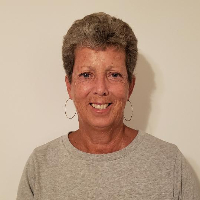
Angela Veach
LCPC
Illinois - 25 yrs exp










How family therapy works for Illinois residents
When you seek family therapy in Illinois, you are choosing a collaborative process that focuses on the relationships and patterns that shape day-to-day life. Sessions often include several family members and are guided by a licensed clinician who helps you identify interaction patterns, communication blocks, and shared goals. Your therapist will usually begin with an assessment conversation - asking about your family history, recent stressors, and what you hope to change - and then suggest a course of work that may combine practical skills with deeper exploration of roles and expectations.
Therapists use a range of approaches tailored to family needs. You may encounter structural family therapy, which looks at boundaries and hierarchies; narrative approaches that explore the stories families tell about themselves; solution-focused methods that emphasize concrete change; or systemic perspectives that examine how each member influences the whole. In Illinois you can expect practitioners to hold state-appropriate credentials such as Licensed Marriage and Family Therapist, Licensed Clinical Social Worker, or Licensed Professional Counselor, and to follow local standards for professional practice.
Finding specialized help for family issues in Illinois
Finding the right specialist means matching the therapist's training to your family's concerns. If you are dealing with co-parenting conflict after separation, look for clinicians experienced with divorce-related transitions and custody communication. For blended families, seek someone who understands stepfamily dynamics and role negotiation. If substance use, mental health conditions, or child behavioral concerns are contributing to family stress, you might prefer a clinician who collaborates with other providers or has experience coordinating care across specialties.
Geography matters when you want in-person sessions. Major urban centers like Chicago offer a large pool of clinicians with varied specializations, while communities in Aurora, Naperville, Springfield, and Rockford may offer strong local practitioners who understand regional resources and school systems. If you live outside larger cities, check whether therapists travel to nearby suburbs or maintain flexible scheduling to accommodate evening appointments. You should also confirm licensing and whether the clinician is authorized to provide services in Illinois if you are considering telehealth options from another state.
What to expect from online family therapy in Illinois
Online family therapy has become a common option for Illinois households that need more scheduling flexibility or have members in different locations. When you choose remote sessions, expect the initial intake to include guidance on how to set up devices, arrange cameras so everyone can be seen comfortably, and agree on session norms such as when to mute or take turns speaking. Many clinicians help families create a consistent virtual environment that supports focus and participation.
Online therapy can be particularly useful if family members are spread across towns, or if travel to a downtown Chicago office is difficult. You should ask about platform features that protect your interactions and how the therapist handles document sharing, appointment reminders, and billing. If you prefer a mix of in-person and virtual work, discuss a hybrid plan that allows you to use face-to-face sessions for complex conversations and online meetings for check-ins or logistical planning.
Common signs that someone in Illinois might benefit from family therapy
You might consider family therapy if communication has become consistently difficult, if arguments are escalating without resolution, or if members are withdrawing from one another. When parenting disagreements lead to inconsistent rules, children show increased acting out, or school and peer problems create strain, family sessions can help realign expectations and clarify roles. Life transitions such as relocation for a job, a new baby, retirement, or the aftermath of a separation often bring hidden tensions to the surface; therapy provides a space to reorganize family routines and resolve competing needs.
Other signs include repeated cycles of blame, anger that erupts over similar topics, or long-standing patterns that you cannot change on your own despite attempts to improve. If a family member is dealing with a health issue, addiction, or significant mood changes, family therapy can help you establish practical ways to support that person while maintaining your own well-being. Not every problem requires long-term treatment - sometimes a few months of focused work yields meaningful change - and your therapist can help set expectations based on the issues you bring.
Tips for choosing the right family therapist in Illinois
Start by clarifying your priorities: do you need a therapist experienced with adolescents, with multicultural families, or with specific challenges such as blended household transitions? Once you have a list of candidates, review their profiles for training, years of experience, and stated specialties. You can also read descriptions of their therapeutic approach to see whether they emphasize skills training, emotion-focused work, or systemic change. If you live near Chicago, you will likely find clinicians with niche trainings and advanced certifications, while in communities like Aurora and Naperville you may find therapists who combine clinical work with school or community-based experience.
Ask about logistics early in the conversation. Find out whether the clinician offers evening or weekend appointments, whether they accept your insurance or have sliding-scale fees, and whether they provide in-person work at an office or offer telehealth only. Boundary expectations are important - you should understand how cancellations, emergency contacts, and communication between sessions are handled. Inquire about the therapist's experience with families similar to yours; many clinicians are comfortable describing anonymized examples of past work so you can assess fit.
During an initial consultation you should feel able to ask how the therapist measures progress and what a typical session looks like. It is reasonable to ask for references or client testimonials when available. Trust your instincts about rapport - building change with a family requires a clinician who can hold multiple perspectives and help you experiment with new ways of interacting. If you do not feel heard or the approach feels mismatched, it is acceptable to try a different clinician. Good therapeutic work is a collaborative process, and the right fit often makes the difference between scattered efforts and steady progress.
Practical considerations and next steps
Before your first appointment, discuss practical matters such as parking, transit access, and accessibility if you plan to attend in person. In major hubs like Chicago, consider whether you prefer a neighborhood office near schools or workplaces, while in suburbs like Naperville you may value proximity to community centers or evening availability. If you opt for online sessions, choose a quiet room where family members can speak freely and where interruptions are minimized.
Preparing a brief summary of what you hope to change, listing recent events that have increased tension, and noting any relevant medical or school contacts can help you make the most of an initial visit. You do not need to resolve long-standing issues immediately - early sessions are often about establishing safety and small experiments that shift interaction patterns. As you continue, you and your therapist can set measurable goals and adjust the plan to meet the changing needs of your family.
Where to begin in Illinois
Begin by narrowing your search based on the concerns you want to address, then check therapist profiles for licensure, specialties, and modality. Reach out for an initial consultation to get a sense of communication style and practical fit. Whether you are in an urban center like Chicago or a suburban community such as Aurora or Naperville, a thoughtful approach to choosing a clinician will help you find a provider who can support your family through change and toward clearer connection.