Find a Domestic Violence Therapist in Illinois
This page highlights therapists in Illinois who specialize in domestic violence and related trauma. You can browse profiles for clinicians serving Chicago, Aurora, Naperville and other communities to compare approaches and availability.
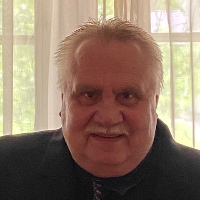



Angela Veach
LCPC
Illinois - 25 yrs exp
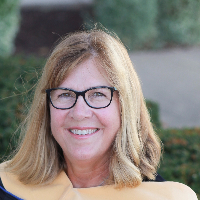
Dr. Cindy Cook
LCSW
Illinois - 23 yrs exp

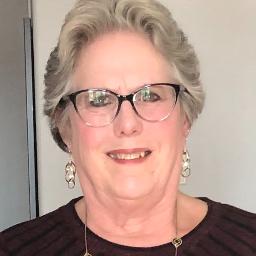











Dr. Kathryn (Kitty) Klee
LCPC
Illinois - 33 yrs exp






How domestic violence therapy works for Illinois residents
If you are seeking help after experiencing domestic violence, therapy can be a place to focus on your safety, emotional recovery, and decision-making. In Illinois, therapists who specialize in intimate partner violence typically combine short-term crisis response with longer-term work to address trauma, coping strategies, and relationship patterns. When you begin, your clinician will usually ask about immediate needs, current risk, and any pressing safety concerns. From there you and your therapist can set goals - these may include stabilizing day-to-day life, reducing symptoms of stress or anxiety, improving sleep and concentration, or exploring steps for separation or relationship change when appropriate.
Therapists in this field often work as part of a broader support network that can include legal advocates, medical providers, and social services. You can expect a collaborative approach where your preferences guide next steps. Because every situation is different, the pace of therapy is tailored to what feels manageable and safe for you in the moment. Many Illinois clinicians also have experience helping people navigate interactions with law enforcement, the courts, and community resources - they can explain common processes and help you prepare but will not provide legal representation.
Finding specialized help for domestic violence in Illinois
When you look for specialized help in Illinois, consider therapists who describe experience with intimate partner violence, trauma-informed care, or related areas such as family violence and abuse recovery. You can search by location to find clinicians in urban centers like Chicago, as well as in suburbs such as Aurora and Naperville or smaller communities across the state. Accessibility matters - check whether a therapist offers evening appointments, interpreter services, or experience with diverse cultural and language backgrounds if that is important to you.
Many Illinois therapists list modalities they use and populations they serve on their profiles. This information helps you find someone whose approach matches your needs - for example, trauma-focused therapies, cognitive behavioral approaches, or integrative modalities that address both emotional and practical challenges. If you are involved with local agencies or shelters, those programs often maintain referral lists and can recommend clinicians who regularly collaborate with community supports.
What to expect from online therapy for domestic violence
Online therapy can expand your options, particularly if you live outside a major city or need appointments that fit a busy schedule. If you choose telehealth, you will meet with your therapist using video or phone sessions. Expect an initial discussion about what platform will be used, how to reach the clinician in an emergency, and what steps to take if your appointment is interrupted. Because safety is central, your therapist will likely talk with you about creating a plan for attending sessions from a private space where you can speak freely. The phrase private space can be helpful here - it refers to a location where you feel safe to talk without being overheard or interrupted.
Licensing rules generally mean that therapists can provide telehealth to people who are located in the same state where the clinician is licensed, so online options often connect you with Illinois-licensed providers. Online therapy may not be appropriate in every situation - if you are currently in an unsafe environment or at immediate risk, your therapist may recommend in-person support, crisis services, or coordination with local advocates. For many people, telehealth provides a practical way to start therapy, maintain regular sessions, and access clinicians who specialize in domestic violence even if they practice in different parts of Illinois.
Common signs you might benefit from domestic violence therapy
You might consider seeking therapy if you notice changes in your mood, behavior, or daily functioning after experiencing controlling or abusive behavior. This can include persistent anxiety, difficulty sleeping, heightened startle responses, or trouble concentrating at work or school. You may find yourself withdrawing from friends or family, feeling shame or guilt, or replaying past events and wishing you had acted differently. Some people experience physical symptoms such as headaches or stomach pain related to stress. Even if you are not sure whether what you experienced meets a particular definition, therapy can be a place to talk through your experience, gain perspective, and learn ways to protect your wellbeing.
If you are worried about a loved one, signs that they may benefit from help include sudden changes in mood, signs of fear around a partner, unexplained injuries, or repeated cancellations of social plans. You can encourage someone to explore therapist profiles and consider options that include trauma-informed approaches and culturally sensitive care. Keep in mind that readiness to engage in therapy varies - you can offer information and support without pressuring someone to act before they feel safe.
Tips for choosing the right therapist for domestic violence work in Illinois
Start by looking for clinicians who explicitly note experience with domestic violence, intimate partner violence, or trauma. Read profiles with attention to specialties, training, and any mention of trauma-informed practices. If language matters to you, seek therapists who provide services in your preferred language. Consider logistics such as location, hours, and whether they offer in-person sessions in places like Chicago or telehealth across Illinois. If you live in the suburbs - for example Aurora or Naperville - you may find both local in-person options and online providers who can offer greater scheduling flexibility.
When you contact a therapist, you can ask about their approach to safety planning, their experience working with people in similar situations, and how they coordinate with local resources when needed. It is reasonable to ask how long they typically work with clients who have experienced domestic violence and whether they have connections with legal or advocacy services in Illinois. A good fit often comes down to how comfortable you feel during an initial conversation and whether the therapist listens and validates your concerns while offering practical next steps.
Practical considerations and next steps
Before your first appointment, think about what you want to get from therapy and any barriers you might face - transportation, child care, scheduling, or concerns about being overheard during online sessions. You can bring this up with your therapist so you can jointly develop workable solutions. If you are in immediate danger, call local emergency services or reach out to local domestic violence hotlines and community advocates who can help with safety planning, emergency shelter, and legal information.
Therapy is only one part of a broader path to recovery. As you engage with a clinician, you may also be connected to support groups, advocacy services, and community programs in Illinois that address housing, financial stability, and legal needs. Whether you live in Chicago or a smaller Illinois community, professional support can help you clarify options, strengthen coping skills, and build a network of resources to support your safety and wellbeing.
Making the first contact
Reaching out for help is often the hardest step. When you are ready, use the therapist listings above to review profiles and send a short message or call to ask about availability and approach. You do not need to disclose every detail in an initial inquiry - a brief description of your goals and needs is enough to help the clinician determine whether they are a good fit or can refer you to someone who is. Take your time to find a therapist who respects your safety concerns and supports the choices you want to make about your life.
Finding domestic violence therapy in Illinois is a process that honors your pace and priorities. With the right supports in place - whether in Chicago, Aurora, Naperville, or elsewhere across the state - you can access care that helps you manage immediate challenges and move toward longer-term healing.