Find a Compulsion Therapist in Illinois
Discover therapists who focus on compulsion concerns across Illinois, including clinicians serving Chicago, Aurora and Naperville. Browse the listings below to review profiles, compare approaches, and connect with providers who match your needs.
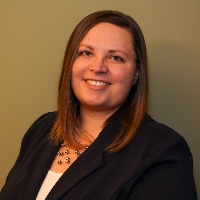


Angela Veach
LCPC
Illinois - 25 yrs exp

Dr. Cindy Cook
LCSW
Illinois - 23 yrs exp


















How compulsion therapy typically works for Illinois residents
If you are seeking help for repetitive behaviors, intrusive urges, or routines that feel out of control, therapy can offer practical tools and a clear plan. Most clinicians begin with an intake session to understand your history, current impact, and goals. That assessment helps shape a treatment plan that is tailored to your situation - whether your concerns started recently or have persisted for years.
Treatment commonly blends evidence-informed methods with a focus on measurable progress. You can expect sessions to include skill-building, gradual exposure to challenging situations, and planning to reduce unhelpful responses. Therapists often use homework assignments so you can practice new strategies between sessions and track changes over time. Over several weeks or months you and your clinician will review what is working, adjust techniques, and set milestones to mark improvement.
Finding specialized help for compulsion in Illinois
When you look for a therapist in Illinois, consider professionals who list experience treating compulsive behaviors or related concerns. Many clinicians in larger communities such as Chicago, Aurora, and Naperville have particular training or certifications in approaches commonly used for compulsions. If you live outside metro areas, nearby cities like Rockford or Springfield may have university clinics, community mental health centers, or practices with clinicians who offer specialized care.
Start by reviewing clinician profiles to learn about their training, typical caseload, and therapeutic orientation. You can also ask about experience with specific strategies that address compulsive behavior. If insurance coverage is important, check whether the clinician accepts your plan and what out-of-pocket costs to expect. Some providers offer sliding-fee options or work with community programs, which can be helpful when budgets are limited.
What to expect from online therapy for compulsion
Online therapy has become a common option for people across Illinois, offering flexibility in location and scheduling. If you opt for virtual sessions, you will typically meet by video or phone for regular appointments. The therapeutic process mirrors in-person care in many ways - assessment, goal-setting, skill practice, and follow-up - but it also adds conveniences such as reduced travel time and greater access to specialists who may be based in different cities.
It is important to confirm that any clinician offering online sessions is authorized to practice with residents of Illinois. That ensures the therapeutic relationship follows state rules and professional standards. During the first online session your clinician will likely review technology steps, emergency planning for your area, and how to handle homework assignments remotely. If in-person work such as behavioral experiments or community exposures is recommended, discuss how those can be adapted safely for online support.
Common signs that you or a loved one might benefit from compulsion therapy
Compulsive behaviors can show up in different ways. You might notice rituals that take increasing time from your day, repeated checking or counting that interferes with routines, or persistent urges that feel impossible to ignore. These behaviors may cause you distress, create tension in relationships, or limit your ability to work or engage in activities you once enjoyed.
Other indicators include repeated attempts to cut down without lasting success, avoidance of situations that trigger urges, or growing anxiety when rituals are interrupted. Family members often seek help when they see a loved one stuck in repetitive patterns that reduce quality of life. If compulsive habits interfere with sleep, school, work, or social life, talking with a clinician can help you clarify options and next steps.
Practical tips for choosing the right therapist in Illinois
Choosing a clinician involves both practical and personal considerations. Start by identifying what matters most to you - whether that is a therapist with a specific training background, a certain availability, or cultural or language fit. Read profiles carefully to learn about a clinician’s expertise, typical treatment approaches, and how they describe their work with clients.
During an initial contact or consultation, ask about experience with compulsive behaviors and the strategies they use. Inquire how they structure sessions, what a typical treatment timeline looks like, and how they measure progress. It can be helpful to ask for examples of homework assignments or techniques you might use between sessions so you know what to expect.
Logistics matter as well. Confirm whether the therapist works in-person in your area or offers online sessions across Illinois. If you live in or near Chicago, you may find a wider range of specialists; in smaller communities like Aurora, Naperville, Springfield, or Rockford you may encounter clinicians who balance general practice with specific expertise. If insurance is part of your plan, verify coverage and whether the clinician files claims. If you will pay privately, discuss rates, cancellation policies, and any sliding-fee options.
Questions to ask during your first meetings
It is reasonable to prepare a few questions before your first appointment. Consider asking how long they have worked with compulsive issues, what training they have in relevant approaches, and how they handle crisis or urgent needs. Clarify the expected length and frequency of sessions and how progress will be tracked. If you have co-occurring concerns - such as mood changes, stress, or substance use - ask how these might be addressed alongside compulsive behaviors.
Trust your instincts about rapport. A strong working relationship with your therapist makes it easier to tackle uncomfortable patterns and persist with practice tasks. If after a few sessions you do not feel that the fit is right, it is acceptable to discuss changes or seek another clinician. Your comfort and ability to engage in the work matter for outcomes.
Local considerations and next steps
Where you live in Illinois can influence practical choices. In larger metro areas such as Chicago you may have access to clinicians with niche specialties or training programs that offer low-cost care. In suburban centers like Aurora and Naperville there are many private practices and group clinics that balance availability with continuity of care. For residents in Springfield, Rockford, and other regions, community health centers and university-affiliated clinics can be valuable resources if you need accessible or affordable options.
Begin by narrowing your search to clinicians who list compulsion experience and then contact a few to compare approaches. Many therapists offer brief introductory calls so you can ask questions and get a sense of fit before committing to an appointment. When you start work with a clinician, expect to set clear goals, try structured exercises between sessions, and revisit your plan as you progress.
Making a plan that fits your life
If you are ready to begin, think about what will make therapy sustainable for you. Consider scheduling that fits your work or school hours, whether in-person or online sessions are preferable, and what payment arrangements work best. Share practical constraints with potential therapists so they can suggest options - for example, shorter session formats for busy weeks or telephone check-ins when travel is necessary.
Compulsion-focused therapy is often pragmatic and goal-oriented, with an emphasis on building skills you can use day to day. With a qualified clinician and a plan tailored to your life in Illinois, you can take concrete steps toward reducing behaviors that limit your functioning and reclaiming time for the activities you value.
When you are ready, use the listings above to review clinicians in your area, request consultations, and take the next step toward focused care. Whether you live in a large city or a smaller community, there are professionals who can work with you to develop a thoughtful, practical plan.