Find an Autism Therapist in Illinois
This page connects visitors to autism specialists who practice throughout Illinois, including clinicians who offer in-person and virtual sessions. Explore the listings below to find therapists with experience in autism-related supports across the state.

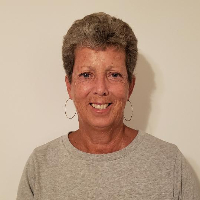
Dr. Cindy Cook
LCSW
Illinois - 23 yrs exp






















How autism therapy typically works for Illinois residents
When you seek autism-focused support in Illinois, the process often begins with an assessment to understand strengths, challenges, and goals. That assessment may be carried out by a licensed clinician, behavioral therapist, speech-language pathologist, or occupational therapist depending on the needs you or your family are addressing. Following assessment, a clinician will work with you to design a plan that outlines priorities - for example increasing communication, improving daily living skills, reducing distress related to sensory differences, or building social connections. Therapy is usually goal-oriented and may blend clinical sessions, home- or school-based strategies, caregiver coaching, and community supports to help the skills generalize in everyday settings.
Finding specialized help for autism in Illinois
Because needs vary widely across the autism spectrum, you may want to look for clinicians who specialize in the specific areas that matter most to you. Some professionals emphasize behavioral approaches, while others focus on communication, sensory integration, or social skills. In urban areas like Chicago, you will often find a broad range of specialists and multidisciplinary centers where multiple disciplines coordinate care. In suburban and smaller communities such as Aurora and Naperville you can often find experienced clinicians as well as regional centers and clinics that collaborate with schools. When searching, consider the therapist's training, experience with age groups similar to yours or your family member's, and whether they collaborate with educational and medical providers in the area.
Working with schools and local programs
If the person who needs support is a student, your child's school district can be an important partner. Many families start by requesting an evaluation through the school to determine eligibility for developmental or special education services. Illinois also has early intervention and developmental programs that offer assessments and supports for young children. A therapist who is familiar with Illinois education procedures can help you navigate individualized education programs, service coordination, and transitions between school settings.
What to expect from online therapy for autism
Online therapy has become a common option for families and adults across Illinois, offering flexibility and access when in-person appointments are difficult to schedule. In virtual sessions you can expect structured activities, coaching, and practice that are adapted to the screen. For children, caregivers often take an active role during online therapy to help facilitate interactions, practice skills between sessions, and carry interventions into the home. For adults, online work can focus on social cognition, life skills, employment supports, and emotional coping strategies. Technology requirements are typically modest - a stable internet connection and a device with a camera - but clinicians will also guide you on how to set up a quiet, distraction-reduced space that works for sessions.
Advantages and considerations of virtual services
Virtual therapy can make it easier to connect with specialists who are not nearby, which is especially helpful if you live outside major cities or need a clinician with a particular area of expertise. However, some interventions benefit from in-person assessment or hands-on approaches, and clinicians will usually discuss whether a hybrid model - a mix of online and face-to-face sessions - is most appropriate. Licensing matters when services cross state lines, so therapists who work with Illinois residents will typically be licensed to provide care in Illinois and will explain how they comply with state requirements.
Common signs that someone in Illinois might benefit from autism therapy
You might consider seeking an evaluation if you notice persistent differences in social communication, such as difficulty with back-and-forth conversations, challenges interpreting social cues, or limited eye contact paired with communication differences. Repetitive behaviors, restricted interests, strong reactions to sensory input like sounds or textures, and difficulties with changes in routine are other areas where specialized support can help. For many families the tipping point is when these patterns interfere with daily functioning, relationships, school or work performance, or the ability to enjoy typical activities. Early attention to these signs can open the door to supports that promote skill development and improved quality of life.
Tips for choosing the right autism therapist in Illinois
Start by identifying what outcomes are most important to you, whether that is improving communication, managing anxiety, building independence, or supporting school success. Look for professionals whose training and experience align with those goals. Ask about their experience working with clients of similar ages and profiles, and whether they use evidence-informed practices that fit your preferences. Consider how they involve caregivers or family members, since collaborative approaches often lead to better generalization of skills. Practical factors matter too - check whether the therapist offers evening or weekend appointments if you need them, whether they work with your preferred school or medical providers, and whether they offer in-person, online, or hybrid sessions.
Location, culture, and accessibility
Where you live in Illinois can influence the kinds of services available nearby. In Chicago you may have access to large clinics and specialty centers, while in suburbs such as Aurora and Naperville you might find experienced independent clinicians and regional programs. If travel is a concern, explore virtual care options and ask about community-based services. Also think about cultural fit and communication style - you are more likely to engage consistently when you feel heard and respected. If language needs are important, look for therapists who offer services in your preferred language or who demonstrate cultural competence with diverse communities in Illinois.
Planning next steps and working with insurance
Before starting, clarify financial and administrative details. Insurance coverage for autism-related services varies by plan and service type, so contact your insurer and ask which services are covered, whether prior authorization is needed, and how reimbursement works. Many therapists provide a brief consultation to explain their approach and to help you decide if they are a good fit. If cost is a barrier, ask therapists about sliding-scale options, community programs, or university clinics that offer reduced-fee services. You can also explore local support groups and advocacy organizations that offer resources for families navigating the system in Illinois.
Making the most of therapy in your community
Therapy is most effective when you are an active participant in the process. Bring your questions and observations to appointments, share examples of what works or does not work in everyday life, and request homework or practice activities to reinforce skills between sessions. If you live near larger urban centers such as Chicago, you can often supplement clinical work with social skills groups, recreational programs, and community activities designed for autistic people. In smaller communities, building a network that includes caregivers, educators, and medical providers can create a consistent environment that supports progress. Ultimately, the right therapist will partner with you to create realistic goals and practical strategies that fit your life in Illinois.
Finding a match
Choosing a therapist is a personal decision and it is okay to meet with more than one clinician before you make a commitment. Use initial consultations to get a sense of the therapist's communication style, their approach to measurement and progress, and how they involve caregivers or other supports. A good match will leave you feeling understood and hopeful about next steps. Whether you are in the heart of Chicago, a suburb like Naperville, or a smaller community elsewhere in Illinois, there are clinicians who can work with you to build practical skills and supports that align with your priorities.
Seeking help is a meaningful step. With informed choices and collaborative planning, you can connect with autism-focused therapists in Illinois who offer tailored approaches to meet your needs and help you reach your goals.