Find an Antisocial Personality Therapist in Illinois
This page connects visitors with therapists who specialize in Antisocial Personality care across Illinois. You can review profiles, learn about approaches, and browse practitioners in cities like Chicago, Aurora, and Naperville.
Scroll through the listings below to find clinicians who fit your needs and contact those you want to learn more from.

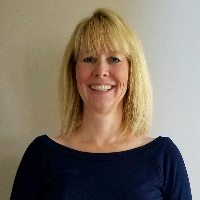
Angela Veach
LCPC
Illinois - 25 yrs exp













How Antisocial Personality Therapy Works for Illinois Residents
Therapy for Antisocial Personality focuses on helping people reduce behaviors that harm relationships, improve decision-making, and learn ways to manage impulses. In Illinois you will find clinicians trained in evidence-informed approaches that emphasize skill building, structured interventions, and consistent therapeutic boundaries. Treatment often begins with a thorough assessment to understand history, current patterns, and goals. From there a therapist and you create a treatment plan that may include individual psychotherapy, behavioral interventions, family involvement when appropriate, and coordination with other community resources.
The pace and focus of therapy will vary depending on whether you are seeking help for yourself, supporting a relative, or engaging with the legal or social service systems. In many communities across Illinois therapists work collaboratively with probation officers, case managers, schools, or vocational services when that coordination supports progress. Wherever you are - whether in urban centers like Chicago or smaller communities near Springfield - the core aim is to build practical strategies that lead to safer choices and improved relationships.
Finding Specialized Help for Antisocial Personality in Illinois
When you search for a specialist, look for clinicians with experience in personality-related concerns and in working with people who have patterns of impulsive or antisocial behavior. Common professional credentials to consider include licensed psychologists, licensed clinical social workers, and licensed professional counselors. Many clinicians list specialized training in cognitive-behavioral methods, forensic mental health, or behavioral management techniques - all of which can be relevant for Antisocial Personality work.
Geography matters in practical terms. If you prefer in-person sessions, you may concentrate your search on larger centers where more specialists practice. Chicago, with its diverse treatment options, offers many clinicians experienced with complex personality presentations. Suburban and exurban areas such as Aurora and Naperville have practitioners who frequently combine clinical expertise with local community resources. If you are in Rockford or Springfield, you can still find experienced clinicians, and in many cases you will have access to regional programs and multidisciplinary teams.
What to Expect from Online Therapy for Antisocial Personality
Online therapy expands access across Illinois, allowing you to connect with clinicians whether you live in a city neighborhood or a rural area. When you choose telehealth it is important to consider how the format will support the kind of structured, skills-based work often used for Antisocial Personality concerns. Many therapists adapt cognitive-behavioral techniques, role-play exercises, and behavioral planning to video or phone sessions, while also assigning in-between session work to reinforce new skills.
In online sessions you should expect an initial intake that reviews history, safety considerations, and practical logistics. Therapists will discuss personal nature of sessions practices, session frequency, and goals, and will work with you to establish a predictable routine. If you have legal or community supervision requirements, telehealth can often be coordinated with those systems, but you should confirm how documentation and communication will be handled. Online therapy also offers flexibility - you may find it easier to maintain regular sessions, especially if commuting to an in-person appointment is difficult.
Technical and practical considerations
To get the most from online therapy, ensure you choose a quiet, comfortable environment where you can speak openly and focus. Confirm that the clinician is licensed to practice in Illinois and that they are familiar with local regulations and community supports in your area. Discuss expectations for emergencies, and make a plan with your clinician about how to handle crises or situations that require more immediate, in-person response.
Common Signs That Someone in Illinois Might Benefit from Antisocial Personality Therapy
You might consider seeking a specialist if patterns of disregard for rules, repeated conflicts with others, persistent impulsive decisions, or difficulty maintaining employment and relationships are present and causing harm. These patterns can look different from person to person - for some it may appear as repeated trouble with the law, for others as consistent workplace conflict or unstable relationships. Family members and partners often seek consultations when behavior is putting loved ones at emotional or financial risk.
Deciding to pursue therapy is not only for people involved with the justice system. If you notice recurring difficulties with trust, repeated impulsive choices that lead to negative outcomes, or a lack of reliable interpersonal boundaries, a clinician experienced in personality-focused work can assess whether therapy could help. In communities across Illinois, early engagement with therapy may reduce long-term disruption to work, education, or family life.
Tips for Choosing the Right Therapist for This Specialty in Illinois
When you begin your search, start by reviewing clinician profiles for relevant experience and a clear description of their approach. Look for therapists who describe practical, skills-based methods and who are comfortable working with complex behavior patterns. It is reasonable to ask about their experience with Antisocial Personality presentations, how they measure progress, and what kinds of strategies they use to ensure sessions remain structured and goal oriented.
Consider the logistics that matter to you. If in-person care is preferred, check whether a clinician sees clients in Chicago, Aurora, Naperville, or nearby towns. If you require flexible scheduling or live outside major metro areas, explore telehealth options and confirm the therapist is licensed to practice in Illinois. Insurance coverage and payment options vary, so ask about fees, sliding scale availability, and whether the clinician accepts your insurance plan. If you are supporting a loved one, it can help to request an initial consultation to discuss engagement strategies and safety planning.
Trust and rapport are crucial. You should feel that the clinician listens without judgment and that they present clear expectations for sessions. Therapists who involve you in setting goals and who offer measurable steps for change tend to be more effective for behavior-focused work. If a particular approach or therapist does not feel like the right fit, it is appropriate to seek another opinion; the therapeutic relationship is an important part of progress.
Local Resources and Next Steps
Across Illinois there are community mental health centers, outpatient clinics, and private practitioners who provide specialized care. Urban centers like Chicago offer a broad array of services, while suburban locations such as Aurora and Naperville provide access to clinicians who balance clinical expertise with local community ties. If you are unsure where to start, consider reaching out to a clinician in your area for a brief consultation to discuss whether their approach matches your needs.
Taking the first step can feel daunting, but many people find that timely engagement with a specialist leads to clearer choices and better outcomes in daily life. Use the listings above to identify clinicians whose profiles reflect the experience and approach you want, and reach out to learn more about how they work and whether they are accepting new clients. Therapy is a collaborative process - with the right professional and a practical plan, you can pursue meaningful change that supports safer, more stable relationships and a more predictable routine in your day-to-day life.