Find a Gottman Method Therapist in Idaho
The Gottman Method is a research-based approach to couples therapy focused on improving communication, rebuilding connection, and teaching practical relationship skills. Providers trained in this method work throughout Idaho, including Boise, Meridian, Nampa, and Idaho Falls. Visitors can browse the listings below to compare practitioners and contact those who seem like a fit.
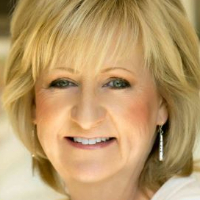




Jocelyn Mirahcic
LCSW
Idaho - 6 yrs exp








What the Gottman Method Is and the Principles Behind It
The Gottman Method is built on decades of relationship research that identifies patterns that help couples thrive and patterns that tend to lead to ongoing distress. At its core is the idea that stable relationships grow from a foundation of friendship, trust, and shared meaning. Therapists who use the Gottman Method draw on structured assessments and clinical interventions to strengthen those foundations. You will often hear about concepts such as building accurate knowledge of each other - sometimes called love maps - cultivating fondness and admiration, learning to manage conflict with effective repair attempts, and creating rituals of connection that reinforce emotional intimacy.
This approach blends short-term interventions that produce relief with longer-term skills training so that improvements are durable. Practitioners measure progress with specific tools and exercises so both partners can track changes in communication patterns and emotional responsiveness. The emphasis is regularly on practical exercises you can practice between sessions, not only on insight in the therapy room.
How Gottman Method Is Used by Therapists in Idaho
Therapists in Idaho adapt the Gottman Method to local needs and settings. In larger urban centers like Boise and Meridian, clinicians may offer intensive couples workshops, longer assessment sessions, and hybrid formats that combine in-person and online meetings. In smaller communities, a Gottman-trained therapist might integrate the model into broader relationship work while tailoring activities to the rhythms of family and community life. Whether you are in Nampa, near Idaho Falls, or elsewhere in the state, therapists commonly begin with an intake that evaluates history, current patterns, strengths, and goals. That initial assessment helps the therapist design a treatment plan that may include both skill-building exercises and guided conversations to address specific relationship ruptures.
Because the training emphasizes measurable interventions, many Idaho therapists will describe specific goals at the start of therapy - for example improving daily communication, repairing trust after a breach, or increasing emotional connection after a life transition. You can often ask in an initial call how a therapist applies the Gottman Method in their practice, and whether they integrate other approaches that match your preferences.
What Issues the Gottman Method Commonly Addresses
The Gottman Method is frequently used for a range of relationship concerns. Couples turn to it when communication has become strained and arguments are frequent, when trust has been undermined by infidelity or secrecy, or when major life changes - such as becoming parents or relocating for work - have strained the partnership. It is also commonly used for pre-marital counseling and for couples who want to deepen intimacy and create shared goals. Therapists in Idaho often see partners who want practical strategies to reduce reactivity during conflicts, rebuild emotional responsiveness, or create healthier routines for connecting amid busy schedules.
While the method is oriented toward couples, therapists sometimes adapt Gottman techniques for families or co-parenting relationships where the focus is on improving cooperation and communication. If there are safety concerns in the relationship, a therapist will usually recommend specialized supports and can help you find services that address immediate needs.
What a Typical Gottman Method Session Looks Like Online
Online Gottman Method sessions aim to preserve the structured, skills-based nature of the approach while using video technology for guided interaction. Your first online sessions typically include a detailed assessment that may use standardized questionnaires and a conversation about the relationship history and current priorities. The therapist will observe interactions, ask questions that help clarify patterns, and introduce specific exercises you can try during the session so the therapist can coach you in the moment.
Subsequent online sessions often combine focused conversations with targeted interventions. You may practice communication techniques while the therapist watches and offers feedback, work through guided turn-taking exercises to reduce escalation, and receive assignments to practice during the week. Therapists commonly use screen sharing or secure portals to send handouts, worksheets, and follow-up materials. In an online format the therapist will also talk with you about creating a quiet, uninterrupted space for sessions and about how to handle technical hiccups so the work remains productive.
Who Is a Good Candidate for the Gottman Method
The Gottman Method tends to suit couples who are motivated to do practical work and who are willing to try structured exercises both in and outside of sessions. If you want clear strategies to manage recurring conflicts and to rebuild warmth and trust, this approach can be a strong fit. It is also helpful for partners who value evidence-informed techniques and who prefer measurable goals for therapy.
Couples in early relationship stages as well as long-term partners use Gottman interventions. The model is designed to be flexible - it can address specific crises like betrayal as well as more diffuse struggles such as emotional distance. If there are complicated safety concerns or ongoing abuse, a therapist will typically recommend supports that prioritize immediate safety before starting couples work. Otherwise, if both partners can engage in structured, respectful sessions and are willing to practice new skills, the Gottman Method can provide a clear path forward.
How to Find the Right Gottman Method Therapist in Idaho
Finding the right therapist is both a practical and personal process. Start by looking for clinicians who explicitly mention training or certification in the Gottman Method and who describe how they apply it in sessions. Consider logistical factors - do they offer in-person appointments near you in Boise, Meridian, Nampa, or Idaho Falls, or do they provide flexible online sessions that fit your schedule? Ask whether they offer an initial consultation so you can get a sense of their style and whether you feel comfortable with their approach.
It is reasonable to ask about experience with the issues you want to address, typical session length and frequency, and how progress is measured. Many therapists will explain how they assign practice exercises and how they support couples between sessions. Payment options, cancellation policies, and whether the clinician accepts your insurance or offers sliding scale fees are practical questions that help you choose a therapist who fits your circumstances.
Trust your impression after an initial conversation. You should leave a consult feeling understood about your priorities and with a clear sense of next steps. If it does not feel like a good fit, it is appropriate to look at other listings until you find a clinician with whom you can work consistently. Across Idaho, different therapists bring varied personalities and specializations to the Gottman Method - finding one whose manner and approach match your partnership can make a meaningful difference in how the work unfolds.
Next Steps
If you are ready to explore the Gottman Method in Idaho, reviewing practitioner profiles and reaching out for brief consultations can help you narrow options. Whether you live in a larger metro area or a quieter community, there are clinicians who integrate this research-based approach into couples work. Taking that first step - asking a few questions and scheduling an initial appointment - can help you understand how this method might support the changes you want in your relationship.