Find an Emotionally-Focused Therapy (EFT) Therapist in Idaho
Emotionally-Focused Therapy (EFT) is an evidence-informed approach that helps people and couples explore emotion and attachment patterns. Find EFT practitioners across Idaho and browse the listings below to find a therapist who matches your needs.
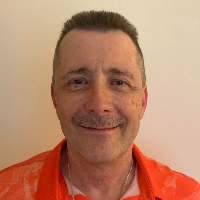
Stephen (Steve) Yates
LMFT
Idaho - 35 yrs exp












Whitney Wollweber
LCPC
Idaho - 4 yrs exp






What Emotionally-Focused Therapy (EFT) Is
Emotionally-Focused Therapy grew from attachment theory and research on emotion as a driver of human experience. At its core, EFT helps you identify underlying feelings and interaction patterns that shape how you relate to others and to yourself. Rather than focusing only on behavior or cognition, EFT foregrounds emotion as a source of information - emotions tell you what matters and what you need. Therapists trained in EFT work to gently surface those feelings, clarify what you need from relationships, and shape new interactions that create more connection and understanding.
The Principles Behind EFT
EFT is guided by a few consistent principles. Emotions are seen as adaptive signals that can be explored safely. Relationships are central - many patterns of distress are relational in origin and are maintained by repeated cycles of interaction. Change happens when you access and express core emotions in a way that leads to new experiences of responsiveness and bonding. Therapists help create moments where new emotional experiences can be practiced and integrated, allowing you to develop different ways of relating and responding.
How EFT Is Used by Therapists in Idaho
Therapists across Idaho use EFT in a variety of settings with couples, families, and individuals. In cities like Boise, Meridian, Nampa, and Idaho Falls you will find practitioners who combine EFT with other therapeutic skills to address relationship distress, life transitions, grief, and the emotional aftermath of trauma. In more rural communities, therapists often offer EFT-informed work through telehealth, which can make it easier for you to access a clinician trained in this approach even if a local office is not nearby. Many Idaho providers emphasize a warm, collaborative stance and focus on helping you and your partner rework long-standing patterns into more supportive exchanges.
Settings and Delivery
EFT can be offered in individual therapy when attachment wounds or emotional processing are the focus, and it is widely used with couples and families to repair disconnection and build stronger bonds. Sessions may be in-person in a comfortable office setting or online, which provides flexibility for clients who live outside urban centers or have demanding schedules. When you choose online EFT sessions in Idaho you can expect the same focus on emotion and interaction as in an office visit, adapted to the video format so you can explore emotional exchanges from your home or another convenient place.
Issues EFT Is Commonly Used For
If you are considering EFT, you are likely seeking deeper emotional connection or relief from relational strain. EFT is commonly used to address persistent patterns of conflict between partners, repeated cycles of withdrawal and pursuit, and feelings of loneliness within a relationship. Clinicians also apply EFT to help with grief and loss, the emotional consequences of trauma, anxiety that is tied to attachment needs, and depressive feelings related to disconnection. You may find EFT especially helpful when surface-level solutions have not changed deeper emotional patterns.
What a Typical EFT Session Looks Like Online
A typical online EFT session begins with a check-in where your therapist invites you to describe recent interactions and emotional experiences. The therapist will listen for recurring interaction patterns and help you notice the feelings beneath the surface - for example, hurt, fear, shame, or longing. You will be encouraged to name these feelings and to identify the needs tied to them, such as reassurance, closeness, or understanding.
In couples work, the therapist may guide you through a structured emotional conversation where each partner gets to express core feelings and needs while the other listens and responds in a way that is supported by the therapist. The clinician facilitates reflection on what happens in the exchange and helps you practice new responses. Sessions typically last about 50 minutes and are scheduled weekly or biweekly, depending on your goals and availability. Between sessions you might be invited to try small behavioral experiments at home that reinforce new patterns of relating.
Who Is a Good Candidate for EFT
You may be a good candidate for EFT if you are motivated to explore feelings and patterns in relationships, if you want to repair or deepen a bond with a partner, or if you are seeking a therapy that integrates emotion and attachment work. Couples who find themselves stuck in cycles of criticism, withdrawal, or blame often benefit from EFT because it helps each partner understand the underlying emotional needs driving those cycles. Individuals who struggle with pervasive loneliness, unresolved grief, or emotional avoidance can also find EFT useful as it offers a structure for accessing and reshaping emotional responses.
There are situations where EFT may be one part of a broader plan of care. If you or your partner are dealing with active substance dependence, ongoing safety concerns, or complex medical issues, you should discuss with potential therapists how EFT can be integrated with other supports. A good clinician will help you understand when additional services or coordination with other professionals could be helpful.
How to Find the Right EFT Therapist in Idaho
When searching for an EFT therapist in Idaho, start by looking for clinicians who have formal training or certification in EFT and who indicate experience with the issues you want to address. Licenses such as LMFT, LCSW, LPC or comparable credentials show professional standing, but the best fit also depends on personal style and practical matters. Consider whether you prefer in-person sessions in a local office or the convenience of online appointments that can reach you anywhere in the state.
Think about logistics that matter to you - appointment availability, insurance or payment options, and whether you want a therapist who specializes in couples work, trauma, or family systems. You can learn a lot from an initial conversation or intake session; many therapists offer a brief consultation that lets you ask about their use of EFT, how they structure sessions, and what a typical course of therapy might look like for your concerns. Pay attention to how comfortable you feel communicating with the clinician and whether they explain the approach in a way that makes sense to you.
Local Considerations in Idaho
If you live in Boise or nearby Meridian you may find a wider range of EFT specialists and clinics that offer evening and weekend appointments. In communities like Nampa and Idaho Falls there are clinicians who provide EFT-informed work for couples and families, and many of them combine in-person and online options to reach clients across the region. If you live in a rural area of Idaho, you may rely on telehealth to access an EFT-trained therapist, which makes continuity of care easier when local options are limited.
Preparing for Your First Sessions
Before your first EFT appointment, consider what you want to change and what emotional patterns feel most painful or frequent in your relationships. You do not need to have everything figured out - part of EFT is discovering those deeper feelings together with a clinician. Write down a few examples of recent interactions that left you feeling disconnected or hurt, and note any goals you have for therapy. Being prepared in this way can help you and your therapist make the most of early sessions.
Moving Forward
Emotionally-Focused Therapy offers a structured, emotionally-focused path to greater connection and self-understanding. Whether you are facing repeated conflicts with a partner, wrestling with long-standing loneliness, or trying to process a significant loss, EFT can provide a way to explore those feelings and learn new patterns of relating. Use the listings above to find practitioners in Idaho, request a consultation, and take the first step toward therapy that centers emotion and attachment as avenues for real change.