Find a Dialectical Behavior Therapy (DBT) Therapist in Idaho
Dialectical Behavior Therapy (DBT) is a structured, skills-focused approach that helps people manage intense emotions and improve relationships. Find trained DBT practitioners across Idaho, from Boise to Idaho Falls, and browse the listings below to compare therapists and request appointments.




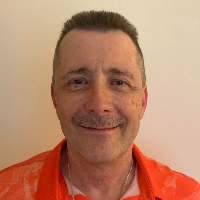
Stephen (Steve) Yates
LMFT
Idaho - 35 yrs exp


















What Dialectical Behavior Therapy (DBT) Is and the Principles Behind It
Dialectical Behavior Therapy grew from cognitive-behavioral approaches and incorporates a dialectical philosophy - the idea that two seemingly opposite truths can both be valid at once. DBT blends acceptance strategies with techniques aimed at change. Practitioners teach practical skills in four core areas: mindfulness to increase present-moment awareness, distress tolerance to navigate crises without making things worse, emotion regulation to reduce the intensity and duration of overwhelming feelings, and interpersonal effectiveness to help you maintain relationships and set boundaries.
DBT is organized and goal-oriented. That structure helps you learn new ways of responding when emotions are high and supports repeated practice of skills until they become more automatic. While DBT has roots in work with specific clinical populations, its emphasis on skill-building and behavioral targets means therapists often adapt it for a wide range of emotional and relational challenges.
How DBT Is Used by Therapists in Idaho
Therapists in Idaho apply DBT in a few common formats that fit different needs and lifestyles. Individual therapy sessions focus on your specific goals, patterns, and safety planning, while skills groups provide a learning environment where you can practice techniques with others. Many DBT providers also offer brief between-session coaching to help you use skills in real-time when situations feel overwhelming. In urban centers like Boise, Meridian, and Nampa you may find clinicians who run full DBT programs with both individual therapy and group skills training. In more rural areas, including parts of the Idaho Falls region, therapists frequently combine in-person care with telehealth options so you can access consistent DBT support without long commutes.
Therapists adapt DBT to age and context. Some clinicians offer DBT-informed work for adolescents and families, integrating parent coaching and school-related supports. Others tailor the approach to co-occurring issues, such as substance use or eating-related concerns, while maintaining DBT's focus on skills practice and safety planning.
Issues DBT Is Commonly Used For
DBT is commonly used for problems that involve intense emotions, patterns of conflict in relationships, and behaviors that create immediate risk or distress. People often seek DBT when they experience recurrent crises, cycles of acting on impulses, persistent feelings of emptiness, or patterns of self-harm or suicidal thinking. Therapists may also recommend DBT principles when emotional reactivity interferes with work or relationships, when mood swings feel unmanageable, or when long-standing difficulties with anger, shame, or abandonment limit your quality of life. Because DBT emphasizes practical skills, it is also applied alongside other interventions when challenges overlap with trauma reactions, substance use, or disordered eating.
What a Typical DBT Session Looks Like Online
If you choose online DBT, a typical individual session lasts about 45 to 60 minutes and follows a consistent structure. Sessions often begin with a brief check-in where you review recent challenges and your diary card - a simple self-monitoring tool that tracks emotions and behaviors. You and your therapist agree on an agenda that prioritizes immediate safety, urgent problems, and skill work. Much of the session is collaborative: your clinician helps you apply a skill to a real situation, role-plays interpersonal scripts when needed, and helps you plan specific practice assignments for the week. Sessions end with a summary and clear action steps so you know what to focus on between meetings.
Online skills groups generally run longer, often 60 to 120 minutes, and replicate the classroom-style teaching of DBT skills. In a virtual group setting you learn new skills, practice them through guided exercises, and discuss how to use techniques in daily life. Many therapists combine these live group sessions with online resources and worksheets you can use independently. When technology is part of care, clinicians will typically review expectations for video platforms, audio privacy, and how to handle interruptions so you can participate comfortably from home or another safe setting.
Who Is a Good Candidate for DBT
You may be a strong candidate for DBT if you notice patterns of intense emotional reactions that lead to actions you later regret, if you frequently find yourself in crisis, or if traditional talk therapy focused only on insight has not produced the changes you want. DBT suits people who are willing to practice skills regularly, complete homework, and work collaboratively with a therapist. Motivation to change does not mean you must be symptom-free or fully ready; therapists trained in DBT often help you build readiness while also teaching acceptance-based strategies so you feel grounded during hard moments.
If you are experiencing immediate risk of harm to yourself or others, it is important to seek emergency help and let a clinician know so they can support safety planning. DBT programs include clear procedures for managing risk and connecting you with additional resources when needed.
Finding the Right DBT Therapist in Idaho
When you begin looking for a DBT therapist in Idaho, start by considering practical factors and the kind of therapeutic relationship you want. Look for clinicians who list DBT training or certification, as that indicates formal preparation in the model. Ask whether they offer both individual therapy and group skills training, and how they typically handle between-session coaching. If in-person meetings are important, pay attention to location and office hours in cities like Boise, Meridian, Nampa, or Idaho Falls. If travel is a barrier, ask about telehealth availability and whether the therapist has experience offering DBT online.
Pay attention to how a clinician describes their approach during an initial conversation. A good DBT therapist will explain how skills are taught, what homework looks like, and how they monitor progress. Inquire about logistics such as session frequency, fees, insurance coverage, and any sliding-fee options. It is reasonable to ask about experience with populations or concerns similar to yours, whether that is adolescent treatment, work with trauma, or support for substance-related problems.
Making the first contact and what to expect
When you reach out to a therapist, you may be offered a brief intake call to assess fit and go over scheduling. During that call you can ask how the clinician structures DBT work, what a typical first session covers, and how they handle crises. You should also get a sense of whether you feel heard and respected. It is common to contact several therapists to compare styles and availability. Choosing a clinician is both a practical and relational decision - matching on values and communication style matters as much as training.
Moving Forward
DBT offers a clear roadmap for developing skills that help you manage distress, improve relationships, and move toward valued goals. In Idaho you can find clinicians offering full DBT programs as well as therapists who integrate DBT skills into broader treatment plans. Whether you prefer in-person sessions in a nearby city or the convenience of online appointments, take time to review profiles, ask questions, and choose a therapist whose approach fits your needs. When you find a good match, consistent practice and collaboration with your clinician can make the learning process feel practical and empowering. Explore the listings on this page to contact DBT providers in Boise, Meridian, Nampa, Idaho Falls, and surrounding communities and to request an appointment that fits your schedule.