Find a Self-Harm Therapist in Idaho
This page helps you find therapists in Idaho who focus on self-harm support and recovery. Browse the listings below to review specialties, locations, and approaches near you.



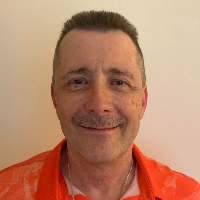
Stephen (Steve) Yates
LMFT
Idaho - 35 yrs exp



















How self-harm therapy works for Idaho residents
If you are seeking help for self-harm, therapy aims to give you tools to manage urges, understand triggers, and build alternatives that feel meaningful to you. The first steps typically involve an intake conversation where a clinician asks about your current experiences, safety, and immediate needs. This assessment helps shape a care plan that may include regular therapy sessions, skill-building exercises, and coordination with other supports such as primary care, school counselors, or family members when you want that involvement. In Idaho, therapists often combine evidence-based approaches with attention to local realities - for example, the pace of life in Boise may mean more in-person clinic options, while people in more rural areas may rely on virtual sessions or community mental health services.
Assessment and immediate planning
During initial sessions you can expect a focus on understanding the frequency and context of self-harm thoughts and behaviors, any patterns that bring them on, and your current coping strategies. Therapists work with you to create a practical safety plan that outlines steps you can take when you feel at risk, people to contact, and environmental changes that reduce immediate access to means. The goal of early planning is to help you feel more stable while you develop longer-term strategies. If you are in a city like Meridian or Nampa, some therapists may also connect you with nearby crisis resources or outpatient programs if additional support is needed.
Therapeutic approaches commonly used
Clinicians who treat self-harm often draw from several therapeutic models because different methods help different people. Dialectical behavior therapy focuses on emotion regulation and distress tolerance skills, cognitive behavioral approaches help you track thoughts and behaviors that maintain self-harm, and trauma-informed care recognizes how past experiences can shape present coping. Therapists may also use motivational interviewing to explore your goals and readiness for change, and skills-based sessions to teach practical strategies you can use in the moment. Your therapist will tailor these approaches to your situation and may adjust the plan as you progress.
Finding specialized help for self-harm in Idaho
When you search for a specialist in Idaho, consider clinicians who list self-harm, self-injury, or related concerns among their areas of focus. You can look for training in evidence-based methods and experience working with people whose backgrounds match yours. Availability varies across the state, so if you are located near Boise or Idaho Falls you may find more in-person options, while people living outside those areas often rely on online appointments or community mental health centers. If you need a clinician who understands local cultural contexts - for example, college students or parents in a suburban neighborhood - mention that when you reach out so you can find a good match.
Local resources and considerations
Idaho has a mix of urban and rural communities, and access to services can look different depending on where you live. In larger towns like Boise and Nampa there are private practices and outpatient clinics that offer specialized programs, while smaller communities may offer services through regional health centers or telehealth providers. When you are considering options, ask about appointment wait times, sliding scale fees if cost is a concern, and whether the clinician has experience with acute crisis planning. You can also ask about referrals to group programs or community supports if you prefer a combination of individual therapy and peer connections.
What to expect from online therapy for self-harm
Online therapy can be a practical way to access self-harm specialists when local options are limited. If you choose virtual sessions, expect many of the same elements you would find in person - assessment, skill-building, and collaborative planning - delivered through video, phone, or text-based messaging. Online therapy offers flexibility that can fit around work and school schedules, and it can connect you with clinicians who specialize in self-harm even if they are based outside your immediate area. You should clarify how your therapist handles emergency situations, what hours they offer, and whether they can provide referrals to in-person care in Idaho if an urgent need arises.
Accessibility and practical tips for online care
Before starting virtual therapy, check that you have a reliable internet connection and a quiet place to talk where you feel comfortable. Some people prefer video to maintain a visual connection, while others feel safer using audio only. Ask about the therapist's policies on session length, cancellations, and how they will communicate between appointments if you need support. If you live in Meridian or another populated area, you may want to alternate online sessions with occasional in-person meetings when both you and your clinician agree that would be helpful.
Common signs that someone in Idaho might benefit from self-harm therapy
You might consider seeking specialized therapy if you notice frequent urges to hurt yourself, ritualized behaviors that are hard to stop, or if self-harm feels like the only way to manage intense emotion. Other signs include changes in school or work functioning, increased isolation, or patterns of risky behavior that accompany self-injury. Friends and family often express concern when they see new scars, unexplained injuries, or when someone is evasive about their emotional state. If you live near a college campus, support services often recognize these signals and can help connect you to a clinician with self-harm expertise. Seeking help early can give you more options for developing coping strategies and rebuilding a sense of control.
Tips for choosing the right therapist for this specialty in Idaho
Choosing a therapist is a personal decision and it is reasonable to interview several people until you find someone you trust. When you contact a therapist, ask about their experience with self-harm, the therapeutic approaches they use, and how they involve support systems when appropriate. It is also appropriate to ask about logistics such as session frequency, availability for urgent concerns, insurance or payment options, and whether they offer evening or weekend hours if your schedule requires that. If you prefer in-person care, look for providers in nearby cities like Boise, Nampa, or Idaho Falls. If you prefer or need virtual care, confirm that the clinician is licensed to practice in Idaho and that they have experience conducting online work.
Building a good therapeutic relationship
Therapy effectiveness depends in large part on the relationship you build with your clinician. You should feel heard, respected, and involved in decisions about your care. If a therapist's style does not feel like a good fit, it is okay to say so and look for someone else. Many people try a few sessions to get a sense of the approach and then decide whether to continue. Trust develops over time, and a skilled clinician will check in with you about how therapy is going and adapt their methods as your needs change.
Moving forward and staying supported
Engaging in therapy for self-harm is a process that often includes learning new skills, trying different strategies, and adjusting plans as you progress. You may combine individual therapy with group work, family sessions, or connections to community supports. If you are in or near Boise or Meridian, there may be workshops and local groups that supplement one-on-one care. Regardless of where you live in Idaho, it is important to have a plan for moments of crisis and people you can contact when you need immediate help. Reaching out for help is a strong first step, and finding a therapist who fits your needs can open the door to safer coping and a fuller sense of possibility.
If you are ready to explore options, use the listings above to compare specialties, read clinician profiles, and reach out to schedule an initial conversation. The right match can make a meaningful difference as you work toward better ways to manage distress and build the life you want.