Find a Panic Disorder and Panic Attacks Therapist in Idaho
This page highlights clinicians across Idaho who specialize in panic disorder and panic attacks, including professionals serving Boise, Meridian, Nampa, and nearby communities. Browse the therapist profiles below to compare approaches, availability, and contact options.







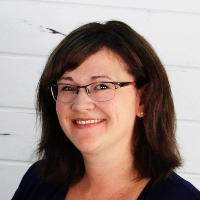
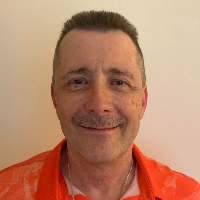
Stephen (Steve) Yates
LMFT
Idaho - 35 yrs exp










How panic disorder and panic attack therapy works for Idaho residents
If you are experiencing recurrent panic attacks or worry that panic disorder may be affecting your daily life, therapy offers structured ways to reduce symptoms and build coping skills. Therapists who focus on panic disorder typically use evidence-informed methods that emphasize understanding triggers, learning breathing and grounding techniques, and gradually facing feared sensations and situations. In Idaho, you can access these interventions through in-person clinics in regional centers or via online sessions that connect you with licensed providers across the state.
Therapy often begins with an assessment of your symptoms, history, and goals. That initial period helps you and your clinician decide which methods will be most helpful, whether that includes cognitive-behavioral strategies, exposure-based work, or skills to manage panic symptoms in the moment. Many people find that combining symptom-focused strategies with work on stress, sleep, and lifestyle factors creates more durable improvement.
Finding specialized help for panic disorder and panic attacks in Idaho
When you search for a specialist you want someone who has training and experience treating panic-related conditions. In Idaho you will find clinicians in urban centers such as Boise and Meridian as well as in smaller communities like Nampa and Idaho Falls. Rural areas may have fewer local specialists, but many Idaho providers offer remote appointments that expand your choices. Look for licensed clinicians who list panic disorder or panic attacks among their specialties and who describe the specific approaches they use.
Referrals from your primary care clinician or local mental health clinics can be useful starting points. Community mental health centers and university counseling programs sometimes offer reduced-fee services or training clinics where supervised clinicians provide care under experienced supervisors. If you live near Boise, you may have access to a broader range of clinic types, while Meridian and Nampa often provide a mix of private practices and community-based options. Idaho Falls and other regional hubs can connect you with clinicians who balance in-person availability and remote scheduling.
Licensing and credentials to consider
Therapists practicing in Idaho are typically licensed at the level of professional counselor, marriage and family therapist, psychologist, or social worker. You can check a clinician's license status through Idaho's licensing boards if you want assurance that they are authorized to provide care in the state. Beyond licensing, look for clinicians who have completed training in panic-focused approaches - for example, cognitive-behavioral therapy with exposure techniques, interoceptive exposure training, or specialized anxiety treatment programs. Training in trauma-informed care or stress management can also be relevant, because panic symptoms often interact with other life experiences.
What to expect from online therapy for panic disorder and panic attacks
Online therapy can be a practical option if you live in a rural Idaho county or have scheduling constraints. When you choose teletherapy, sessions are typically held via video and follow a similar structure to in-person appointments - assessment, treatment planning, skills practice, and progress review. Many clinicians incorporate interactive work during remote sessions, such as guided breathing practice, real-time exposure exercises, and homework assignments that you complete between sessions.
You should expect your clinician to review safety measures and create a plan for handling intense moments during or between sessions. They will help you establish a comfortable environment for online work, suggest practical adjustments for at-home exercises, and coordinate with local emergency resources if needed. Reliable internet, a quiet room, and a device with video capability make teletherapy more effective. If you live near Boise, Meridian, Nampa, or Idaho Falls you may also be offered a hybrid approach - a combination of some in-person meetings with online sessions to increase flexibility.
Practical differences between in-person and remote care
In-person therapy can provide a more contained setting for exposure exercises and immediate support during high-intensity moments. Remote therapy offers convenience, a broader selection of specialists, and easier scheduling. If you are unsure which format suits you, ask prospective clinicians whether they offer both and how they adapt their techniques for telehealth. Many providers will describe an initial plan that includes both online skill building and occasional in-person sessions if that is helpful for your progress.
Common signs that you might benefit from therapy
You may benefit from therapy if panic attacks are frequent, unpredictable, or interfere with work, social activities, or daily routines. Signs include sudden episodes of intense fear with physical symptoms like racing heart, shortness of breath, dizziness, or numbness; worry about having more attacks; avoidance of places or activities linked to prior episodes; and persistent anxiety between attacks. If panic symptoms make you avoid driving, work settings, or social outings in Boise or other cities, targeted treatment can help you regain confidence and navigate those situations more easily.
Even if attacks occur infrequently, therapy can teach you techniques to reduce their intensity and frequency and to manage the anticipatory anxiety that often accompanies panic disorder. Seeking help early can reduce the tendency to change routines or avoid previously meaningful activities because of fear. If you feel unsure, consider scheduling a brief consultation with a therapist to discuss your experiences and whether focused treatment would be a good fit.
Tips for choosing the right therapist for this specialty in Idaho
Start by identifying clinicians who explicitly list panic disorder or anxiety as an area of specialty. Read therapist profiles to learn about their training, typical treatment approaches, and experience with exposure-based work. You might prefer someone who emphasizes cognitive-behavioral therapy, interoceptive exposure, or acceptance-based strategies depending on your comfort with confronting feared sensations. Consider practical factors - whether the clinician offers evening hours, accepts your insurance, or provides sliding-scale fees - and whether they offer teletherapy if travel is a concern.
Ask potential therapists about their experience working with adults from diverse backgrounds and with co-occurring concerns such as trauma, sleep difficulties, or substance use. A good match often comes down to how comfortable you feel talking with the clinician and their willingness to explain the treatment plan clearly. If you live near Boise or Meridian you may be able to meet with several clinicians for brief consultations; in smaller communities a single trusted referral may still lead you to an excellent provider.
Questions to ask during an initial consultation
During a first call or intake appointment, ask how the clinician approaches panic attacks - whether they use exposure to feared sensations, teach specific coping techniques, or integrate other therapies. Inquire about expected session length, typical course of treatment, and how they measure progress. Clarify administrative details such as fees, cancellation policies, and how they coordinate care with other providers if you have a primary care clinician or psychiatrist. A clear, collaborative conversation early on helps you know what to expect and whether the provider’s style fits your needs.
Getting started and next steps in Idaho
Begin by reviewing therapist profiles on this page, noting clinicians who practice near you or who offer remote appointments. Contact a few providers to ask about their experience with panic disorder and to schedule an initial consultation. Keep in mind that the first clinician you speak with may not be the perfect fit - it is reasonable to try more than one provider until you find someone whose approach and manner suit you. Many people find that a combination of skill-building, practical strategies, and gradual exposure work leads to meaningful changes in how they experience panic over time.
Whatever path you choose, taking the step to reach out is an important move toward managing panic symptoms and reclaiming activities that matter to you. Whether you live in a bustling neighborhood of Boise or a quieter area near Idaho Falls, therapists across the state can offer approaches tailored to your goals and day-to-day life.