Find an OCD Therapist in Idaho
This page highlights therapists in Idaho who focus on obsessive-compulsive disorder treatment. You will find profiles that outline each clinician's approaches, experience, and availability in cities such as Boise and Meridian. Browse the listings below to compare therapists and choose one that feels right for you.



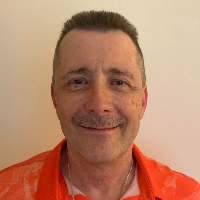
Stephen (Steve) Yates
LMFT
Idaho - 35 yrs exp














How OCD therapy works for Idaho residents
If you are seeking help for obsessive-compulsive disorder in Idaho, therapy typically centers on practical strategies you can use in your daily life. A common therapeutic approach is cognitive behavioral therapy, which helps you identify patterns of thinking and behavior that maintain distress. Within that framework, exposure and response prevention - often called ERP - focuses on gradually facing feared thoughts or situations while resisting the urge to perform rituals. Sessions combine in-office conversation, guided practice, and assignments you work on between appointments so progress continues outside session time.
When you begin therapy, the first few sessions usually involve assessment and goal setting. A therapist will ask about the thoughts and behaviors that are most disruptive, how symptoms started and changed over time, and what you most want to be able to do differently. From there you and the clinician create a plan tailored to your circumstances, whether you live in Boise, Meridian, Nampa, or a smaller community. That plan often includes a blend of talk therapy, behavioral experiments, and skills training designed to reduce the power of obsessions and compulsions over your daily routine.
Finding specialized help for OCD in Idaho
Locating a clinician experienced with OCD makes a meaningful difference in treatment. You can look for providers who list ERP, obsessive-compulsive disorder, or anxiety disorders as part of their specialty. In urban centers such as Boise and Meridian you may find clinicians with specialized training or affiliations with university programs and adult or child mental health clinics. If you live farther from a major city, many Idaho therapists offer flexible scheduling or hybrid options to accommodate commuting and work commitments.
Consider reaching out to a few different therapists to learn about their experience with OCD, the typical course of treatment they follow, and whether they work with people in your age group. You may want a therapist who has experience with related concerns such as health anxiety, trauma, or pediatric OCD if those issues are part of your situation. Asking clear questions up front helps you identify someone who uses the techniques you expect and who explains treatment in ways that make sense to you.
What to expect from online therapy for OCD
Online therapy is an increasingly common option in Idaho, and many clinicians combine remote sessions with occasional in-person visits when helpful. If you choose remote care, expect video sessions that mirror in-person appointments in structure - check-in, review of between-session practice, guided exercises, and planning for the next week. Online care can make scheduling easier and open access to therapists based in Boise or Meridian even if you live in a more rural area. You should confirm that any clinician offering online care is licensed to practice in Idaho, so your treatment follows state guidelines and you receive consistent care over time.
During online work on ERP, you and your therapist will plan exposures you can do in your home or community and review how those exercises went in follow-up sessions. Therapists often provide supplementary materials such as worksheets, audio-guided practices, or detailed plans for exposures. Technical aspects are straightforward - reliable internet, a quiet room, and a device with a camera and microphone - and many therapists will suggest that you join each session from a private space where you can speak openly and complete exercises without interruption.
Common signs someone in Idaho might benefit from OCD therapy
You might consider seeking OCD-focused therapy if you notice intrusive thoughts that cause distress and repeated behaviors meant to reduce that distress. These behaviors can take many forms - checking locks or appliances repeatedly, excessive hand washing, arranging objects in a very specific order, repeating phrases mentally, or avoiding places and situations. If these thoughts and actions take up significant time, interfere with work, studies, relationships, or your ability to enjoy activities, therapy can help you reclaim those parts of life.
Other signs include feeling stuck in cycles of doubt and reassurance seeking, experiencing distress when rituals are interrupted, or noticing that attempts to resist compulsions lead to intense anxiety. You may also see changes in mood, sleep, or energy related to the effort of managing symptoms. If you are a parent noticing patterns in a child or teen - such as school avoidance, rituals that interfere with daily routines, or marked anxiety around certain events - seeking an assessment from a clinician with OCD experience can provide clarity and options for early intervention.
Tips for choosing the right therapist for OCD in Idaho
When evaluating therapists, focus on training, approach, and fit. Ask about their experience with ERP and cognitive behavioral strategies, whether they have completed specialized workshops or supervised ERP practice, and how they measure progress. A therapist who explains treatment steps and offers a timeline for typical milestones can give you a clearer sense of what to expect. Also inquire about whether the clinician works with your age group and any additional concerns you have, such as co-occurring anxiety, depression, or family dynamics.
Practical considerations are important as well. Check whether a therapist offers evening or weekend appointments if you work during the day and whether they accept your insurance or offer a sliding-scale fee. If you prefer in-person care, you might prioritize clinicians located in Boise, Meridian, or Nampa for convenience. If you are exploring online therapy, confirm licensure in Idaho and ask what platform or methods the therapist uses to share materials and assignments. Scheduling an initial consultation can help you assess whether the therapist's style aligns with your needs - the right fit often feels collaborative, clear, and respectful of your pace.
Next steps and what to expect as treatment progresses
Once you begin treatment, expect a combination of in-session work and between-session practice that gradually extends your tolerance for anxiety without rituals. Progress can be steady but non-linear - some weeks may feel like major wins while others involve slow, learning-focused steps. Your therapist should help you set realistic goals and celebrate improvements in functioning, even if intrusive thoughts do not disappear completely. Many people find that with consistent work they regain time, confidence, and freedom from constant ritualizing.
If you live near Idaho Falls or other smaller communities, know that options may include therapists who commute, clinicians offering telehealth, or clinics that serve broader regions. Be open to exploring different providers until you find someone who offers the therapeutic approach and personal rapport you need. You can also discuss relapse prevention and strategies for managing setbacks so you feel supported long after initial symptom improvement.
Final considerations
Searching for OCD therapy in Idaho means balancing clinical experience, treatment approach, and practical fit. Whether you prefer an in-person clinician in Boise or Meridian, or remote sessions that reach you where you live, focusing on therapists with ERP and cognitive behavioral expertise will help you find targeted care. Trust your judgment when a therapist explains how they work, answers your questions clearly, and partners with you to set achievable goals. Taking that first step can open a path to reduced interference from obsessions and compulsions and a better quality of life in Idaho communities such as Boise, Meridian, and Nampa.