Find an Obsession Therapist in Idaho
This page connects you with therapists in Idaho who focus on Obsession-related concerns, including clinicians serving Boise, Meridian, Nampa and other communities. Browse the listings below to compare specialties, approaches, and whether clinicians offer in-person or online appointments.



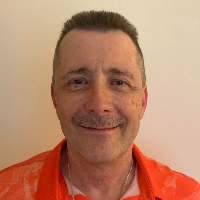
Stephen (Steve) Yates
LMFT
Idaho - 35 yrs exp














How obsession therapy works for Idaho residents
If you are seeking help for persistent intrusive thoughts or repetitive behaviors, understanding how therapy generally works can help you decide what to try first. Most clinicians begin with an assessment that explores your current concerns, how long they have been present, and how they affect your day-to-day life. From there you and your therapist will identify goals - whether that means reducing the intensity of intrusive thoughts, limiting compulsive actions that interrupt routines, or building strategies to cope when symptoms flare.
Many effective approaches draw on cognitive-behavioral principles, teaching you to recognize thought patterns and to test assumptions that feed obsessive thinking. Some therapists use exposure-based techniques that help you gradually face triggers in a planned way, reducing the urge to perform rituals. Treatment is collaborative - you will be an active participant, practicing skills between sessions and tracking progress. In Idaho, clinicians often tailor these methods to local needs, acknowledging factors like rural living, family dynamics, and access to resources in cities such as Boise and Idaho Falls.
Finding specialized help for obsession in Idaho
Finding a therapist who has specific experience with obsession-related difficulties can make a meaningful difference. When you search listings, look for clinicians who note relevant training or experience working with obsessive thoughts and compulsive behaviors. In urban areas like Boise and Meridian you may find clinicians who offer a range of specialty services and training backgrounds, while in smaller communities clinicians may combine several related specialties to meet local demand.
If you live outside a major city, consider therapists who provide online sessions alongside in-person work. You can also ask providers about their experience with co-occurring concerns such as anxiety or mood symptoms, because obsession often occurs alongside other challenges. A therapist who understands the broader context of your life - including work, school, family expectations, and local cultural factors in Idaho - will be better equipped to help you set realistic goals and adapt strategies to your circumstances.
What to expect from online therapy for obsession
Online therapy has become a practical option for people across Idaho, particularly in rural areas where in-person access is limited. When you choose online sessions, you can expect many of the same therapeutic techniques to be used as in face-to-face work. Sessions are typically scheduled for a regular appointment time, and your therapist will guide you through exercises, offer skill-building assignments, and review how techniques are working between meetings.
Online work often makes it easier to maintain continuity of care when you travel or live far from a therapist's office. It can also allow you to connect with clinicians who have specific expertise in obsession that might not be available in your immediate area. That said, online therapy does require reliable internet and a space where you feel comfortable talking. Discuss with your therapist how to manage interruptions, what technology to use, and how to structure homework or exposure practices when you are not in the therapist's physical presence. Many find that a combination of occasional in-person and regular online sessions works well, especially if you live near hubs like Nampa or Idaho Falls and want some flexibility.
Common signs that you might benefit from obsession therapy
You might consider seeking help if intrusive thoughts or repetitive behaviors start to take up a large portion of your time or interfere with relationships, work, or daily routines. You may notice persistent, unwanted thoughts that feel distressing and difficult to dismiss, or a strong urge to perform rituals to relieve anxiety that arrives from those thoughts. Avoidance of certain situations because of fear of triggers can also be a sign that outside help could be useful. If you find that coping strategies you used in the past no longer work, or that attempts to control the behaviors increase your distress, a targeted therapeutic approach can provide new tools.
It is also common for obsession-related symptoms to coexist with other concerns, such as generalized anxiety, difficulties with concentration, or mood fluctuations. When symptoms start to limit opportunities at work, school, or in close relationships, reaching out for professional support can help you get back to routines that matter to you. You do not need to wait until a problem feels overwhelming to ask for help - early intervention can make therapy more effective and less disruptive to daily life.
Tips for choosing the right therapist for this specialty in Idaho
When selecting a therapist, focus on fit as much as credentials. Begin by reviewing profiles to see who mentions training in cognitive-behavioral methods, exposure techniques, or experience specifically with obsessive thought patterns. In Boise and Meridian you will find a wider range of specialists, but even in smaller towns like Nampa or Idaho Falls you can identify clinicians who emphasize evidence-informed approaches and ongoing training.
Reach out to ask a few practical questions before your first session. Ask how long they have worked with obsession-related concerns, what therapeutic methods they commonly use, and how they measure progress. Inquire about session length, fees, cancellation policies, and whether they offer a reduced-fee option if cost is a concern. It is reasonable to request a brief phone or video consultation to get a sense of rapport - therapy is a personal process and feeling comfortable with your therapist helps you engage more honestly with the work.
Consider how the therapist integrates homework or practice into treatment. Many approaches rely on between-session practice to build skills, so you should understand what to expect and whether the level of practice suits your schedule. Also ask about how they coordinate care when needed - for example, if you have a primary care provider or are seeing other professionals for related concerns. A therapist who communicates clearly about goals, timelines, and what success looks like will help you set realistic expectations and stay motivated.
Making the first contact and preparing for your first session
When you reach out to a therapist, be prepared to share a brief description of what brings you in, your availability, and any immediate questions about their approach. For the first session you will typically discuss history, current struggles, and what you hope to achieve. It can help to jot down a few examples of moments when obsessive thoughts or behaviors are most troublesome so you can describe patterns clearly. Remember that finding the right match sometimes takes a few attempts - clinicians expect that not every first choice will be ideal, and many people try a few professionals before settling into a good fit.
Therapy can be a path to greater control over intrusive thoughts and more flexibility in how you respond to them. Whether you live in a busy neighborhood of Boise, a growing area in Meridian, or a smaller community near Idaho Falls, the right therapeutic relationship and approach can help you make meaningful changes. Use the listings on this page to compare specialties, ask targeted questions, and begin the process of finding a counselor who meets your needs and helps you move forward.