Find a Forgiveness Therapist in Idaho
This page helps you find therapists in Idaho who specialize in forgiveness work, including professionals offering in-person and online sessions. Browse the listings below to compare clinicians by location, approach, and availability and choose the fit that feels right for you.







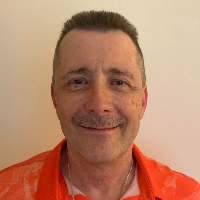
Stephen (Steve) Yates
LMFT
Idaho - 35 yrs exp
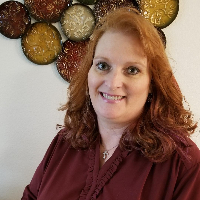
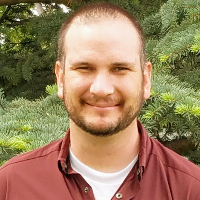


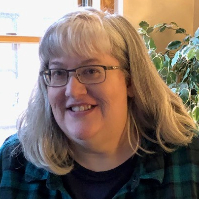

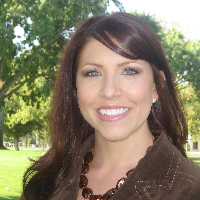


David Bills
LPC
Idaho - 12 yrs exp







How forgiveness therapy works for Idaho residents
Forgiveness therapy is a focused form of counseling that helps you explore hurt, anger, and loss caused by others or by difficult circumstances in your life. In Idaho, clinicians tailor this work to your needs - whether you live near Boise, commute from Meridian, or are farther out in a rural community. The process often begins with building a trusting relationship with a therapist, clarifying what forgiveness means to you, and identifying goals you want to achieve. Your therapist will help you process the emotions attached to the event, make sense of the impact it has had on your life, and consider whether reconciliation, boundary-setting, or another path is the healthiest option for you.
Approaches used in forgiveness-focused therapy can include cognitive work to reframe beliefs, experiential methods to access and soften strong emotions, and narrative approaches that allow you to rewrite the story you tell about what happened. Therapists adapt these methods to your pace so that the work feels manageable. Many people find that as they let go of resentments that no longer serve them, they gain emotional clarity and more room for present-day relationships and goals. The pace and outcomes vary depending on individual goals, the nature of the harm, and your support network.
Finding specialized help for forgiveness in Idaho
When you search for a forgiveness specialist in Idaho, consider both therapist training and life experience. Some clinicians have specific training in forgiveness interventions, trauma-informed care, or couples work when the hurt occurred in a relationship. Others bring a strong background in grief or anger management, which can be highly relevant. You can use location filters to see who is available in major population centers like Boise, Meridian, Nampa, or Idaho Falls, but also look for clinicians who offer telehealth if travel is a barrier.
Licensure matters because it indicates that a clinician meets state standards for practice. You can check a therapist's credentials and stated specialties on their profile and request more information during an introductory call. If cultural or faith perspectives are important to you, look for therapists who explicitly mention that experience. Idaho's communities vary widely, so finding someone who understands your cultural context or faith tradition can make the work more resonant and meaningful.
Rural access and hybrid care
Idaho includes rural and remote areas where in-person specialization may be limited. In those cases, many therapists offer hybrid care - a mix of occasional in-person sessions and regular online appointments. This flexibility helps you connect with someone whose approach matches your needs even if they are not in your town. When you are considering hybrid care, ask about how the therapist manages personal nature of sessions, session timing, and crisis planning when you are not physically nearby.
What to expect from online therapy for forgiveness
Online therapy has become a common option for forgiveness work, and it can be especially useful if you live outside major cities or need scheduling flexibility. In an online session you will typically use video or phone to meet with your therapist from a comfortable environment - your home, your car between appointments, or another personal space. The structure of the work is similar to in-person therapy: you will set goals, explore emotions, practice new ways of thinking about the situation, and receive guidance for exercises to try between sessions.
One of the benefits of online therapy is the ability to work with clinicians who specialize in forgiveness even if they practice in Boise while you live near Idaho Falls. You can look for therapists who explicitly describe their online process, how they handle scheduling across time zones, and what technologies they use. During an initial session, it is reasonable to ask how the therapist adapts experiential exercises to video formats and what they recommend for creating a focused environment at home.
Common signs you might benefit from forgiveness therapy
You might consider forgiveness-focused therapy if you notice that old hurts or grudges affect your daily life. Signs include frequent rumination about past wrongs, difficulty trusting people, persistent anger that colors new relationships, or a sense that emotional energy is tied up in the past. Sometimes physical symptoms such as sleep disturbance or increased tension show up when unresolved resentment is present, and addressing the emotional root can help with overall wellbeing. If you find yourself replaying a harmful event or feeling stuck in cycles of blame, therapy can offer a structured way to examine those patterns and try new responses.
Forgiveness work is not about minimizing what happened or pressuring you to reconcile. Instead, it offers tools to assess your needs, set healthy boundaries, and decide whether forgiveness - understood as a change in how you relate to the past - is the right path. If you are caring for family members in Nampa or navigating a work conflict in Meridian, the practical steps your therapist suggests will be tailored to your daily life and responsibilities.
Tips for choosing the right forgiveness therapist in Idaho
Start by reflecting on what you want from therapy. Do you want to reconcile with someone, learn how to let go of resentment, or simply gain coping tools to reduce the emotional weight? Clarifying your goals will help you evaluate therapist profiles and introductory conversations. When you contact a clinician, pay attention to how they describe their approach, what timeframe they estimate for seeing progress, and whether they offer a short initial meeting to determine fit. Many therapists in Idaho list specialties such as grief-informed forgiveness work, couples forgiveness work, or trauma-sensitive approaches; these descriptions can help you narrow choices.
Practical considerations matter. Ask about appointment availability, fees, insurance or sliding-scale options, and whether the therapist provides telehealth. If you prefer in-person meetings, search for clinicians located near transit routes or major towns like Boise or Idaho Falls. If you rely on evenings or weekend appointments because of work or caregiving, make that need clear when you reach out. Trust your instincts about personal fit - a therapist who is technically qualified but whose style does not resonate may not be the best partner for this intimate work.
What to ask during an initial call
During a brief consultation, ask how the therapist typically structures forgiveness work and what techniques they use. Inquire about session length, expected frequency, and how they measure progress. You might also ask how they support clients when strong emotions come up between sessions and how they coordinate care if you have other mental health providers. Clear communication at the start helps you understand logistics and therapeutic style before committing to a regular schedule.
Moving forward with forgiveness work in Idaho
Taking the step to explore forgiveness therapy is a meaningful move toward emotional clarity. Whether you connect with a clinician in Boise, meet with a therapist online who lives in Meridian, or find someone who travels to a smaller community, focus on finding a therapist who listens to your goals and adapts their approach to your life. Forgiveness is a personal decision and a process - with the right support, you can work through the barriers that keep you anchored in the past and find a path that aligns with your values and relationships.
Use this directory to compare profiles, read clinician descriptions, and schedule introductory calls. If you are unsure where to begin, choose a therapist who offers a short consultation so you can get a sense of fit without a long commitment. Over time you will know whether the work feels helpful and whether you want to continue, shift focus, or add other supports. Healing from hurt is often gradual, and having a skilled professional to guide the process can make the journey more manageable and meaningful.