Find a Chronic Pain Therapist in Idaho
This page lists chronic pain therapists serving Idaho, with options for in-person care and online appointments across Boise, Meridian, Nampa and beyond. Browse the therapist listings below to compare approaches, credentials, and availability.


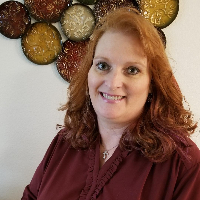

David Bills
LPC
Idaho - 12 yrs exp


Jocelyn Mirahcic
LCSW
Idaho - 6 yrs exp















How chronic pain therapy works for Idaho residents
If you live in Idaho and are dealing with pain that has lasted for months or longer, therapy offers practical tools that focus on improving daily function and emotional well-being. Chronic pain therapy typically blends education about pain, skills to manage symptoms, and strategies to restore activities you value. Many people in urban centers like Boise and closer-in suburbs such as Meridian and Nampa pursue therapy alongside medical care, physical therapy, or community supports to create an individualized plan that reflects local resources and lifestyle.
Therapists who specialize in chronic pain work to understand how pain affects your thinking, mood, sleep and movement. Rather than promising a cure, therapy aims to reduce the impact of pain on your life - helping you regain routines, manage flare-ups, and pursue meaningful goals. In Idaho, you may find therapists who collaborate with physicians, pain clinics, and rehabilitation providers so that your mental health care fits into a broader approach to pain management.
Finding specialized help for chronic pain in Idaho
When you begin looking for a therapist, consider clinicians who list chronic pain as a focus or who have experience with long-term pain conditions. In larger metro areas such as Boise, there are often more options for clinicians with specialized training, while smaller communities may rely on clinicians who integrate pain management into general practice. Telehealth expands your choices so you can connect with a therapist who has expertise even if they are not physically nearby.
Local factors may shape your search. Idaho Falls and other eastern Idaho communities may have fewer specialty clinics, so people there often combine local counseling with remote sessions when they need a therapist with a particular orientation. You can also look for therapists who work collaboratively with other professionals - for example, those who coordinate with your primary care provider or a physical therapist - so that you get consistent messaging and a practical plan tailored to your life in Idaho.
Therapeutic approaches you might encounter
Therapists use several evidence-informed approaches to help people living with chronic pain. Cognitive-behavioral therapy focuses on identifying and adjusting thoughts and behaviors that contribute to stress and activity avoidance. Acceptance and commitment approaches help you clarify personal values and take meaningful action even when pain is present. Mind-body methods often include relaxation training, breathing work, and movement strategies that can reduce tension and improve sleep. Education about pain physiology and pacing strategies helps many people make day-to-day choices that reduce the likelihood of flare-ups.
In Idaho, therapists may combine these approaches with practical coaching about work, family and the demands of living in different regions - whether you are commuting in Boise, balancing farm work, or navigating long drives between appointments. A skilled therapist will tailor techniques to your circumstances rather than offering a one-size-fits-all plan.
What to expect from online therapy for chronic pain
Online therapy is a common option for Idaho residents who need flexible access or who live far from specialty services. You can expect video or phone sessions that resemble in-person appointments in structure - a time to review goals, practice skills, and troubleshoot challenges. Therapists may provide guided exercises, educational materials, and assignments to try between sessions so you can apply techniques in your daily routines.
Telehealth makes it easier to maintain continuity when weather, work, or travel make in-person visits difficult. You will want to confirm practical details ahead of time - how appointments are scheduled, what technology is needed, and whether the clinician coordinates care with local providers. Online care can be particularly useful if you live outside Boise or Idaho Falls and want regular access to a therapist with deep experience in chronic pain.
Common signs that you might benefit from chronic pain therapy
You might consider seeking therapy if pain is interfering with activities you used to enjoy, disrupting your sleep, or making it hard to concentrate at work or school. If you find yourself avoiding movement or social interaction out of fear of making pain worse, therapy can help you develop a gradual approach to activity that reduces avoidance and supports recovery. Emotional distress, such as frequent worry, low mood, or irritability linked to persistent pain, is also a sign that professional support could be helpful.
Other indicators include repeated flare-ups after activity, difficulty managing stress related to pain, and challenges coordinating care across multiple providers. If everyday tasks feel overwhelming or you are struggling to balance treatment recommendations with family or job responsibilities, a therapist can help you create realistic plans and coping strategies that fit the rhythms of life in Idaho.
Tips for choosing the right chronic pain therapist in Idaho
Start by looking for clinicians who describe experience with chronic pain, pain-related disability, or relevant therapy approaches. Pay attention to credentials and licensure, and consider whether you prefer a therapist who integrates physical rehabilitation principles or one who emphasizes cognitive and emotional techniques. Availability and scheduling matter - find someone whose hours align with your needs and who offers a consistent appointment cadence so you can build momentum in treatment.
Think about logistics that affect your ability to engage long-term. If you live near Boise or Meridian, in-person visits may be feasible. If you are in a more remote area, ask about telehealth options and how the therapist supports people who manage care across distance. Cost, insurance coverage, and sliding-scale options will also shape your choices. It is reasonable to ask a potential therapist about their experience working with people who have similar pain patterns or life demands, and how they measure progress over time.
Your sense of fit matters as much as technical expertise. During an initial consultation, assess whether the therapist listens to your priorities, explains approaches in a clear way, and offers practical steps you can try between sessions. Good therapeutic collaboration is built on shared goals, mutual respect, and a plan that adapts as your needs change.
Working with other Idaho health resources
Therapy is often most effective when it is part of a coordinated approach. In Idaho, you may find it useful to connect your therapist with your primary care clinician, pain clinic, or physical therapist so that everyone is aligned on goals and recommendations. Community resources - such as support groups, rehabilitation programs and educational workshops - can complement individual therapy by offering skills practice and peer connection.
If transportation or access is a barrier in rural parts of the state, telehealth can bridge gaps, but you may also explore community centers or local clinics that host allied health services. A therapist familiar with Idaho's care landscape can help you navigate referrals and identify programs that match your needs.
Next steps
Start by reviewing therapist profiles to identify clinicians who list chronic pain as a focus and who have the credentials and approaches that resonate with you. Reach out to schedule an initial conversation to discuss goals, logistics and how the therapist typically structures care for people with long-term pain. Whether you are in Boise, Meridian, Nampa, Idaho Falls or elsewhere in the state, taking that first step can lead to practical strategies that make daily life more manageable and support a return to activities that matter to you.
Therapy is a process, and finding the right clinician can take a little time. Use consultations to compare styles, ask about experience and expected timelines, and prioritize a collaborative relationship that helps you move toward clearer goals and better function in your everyday life.