Find a Dialectical Behavior Therapy (DBT) Therapist in Hawaii
Dialectical Behavior Therapy (DBT) is a skills-based approach that blends acceptance and change to help people manage intense emotions and improve relationships. You can find DBT-trained practitioners throughout Hawaii who offer individual and group care in both in-person and telehealth formats.
Browse the listings below to compare clinicians, read profiles, and reach out to schedule a consultation with a therapist who fits your needs.
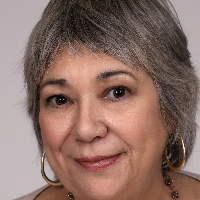
Roxy Mico
LCSW
Hawaii - 32 yrs exp












What is Dialectical Behavior Therapy (DBT)?
Dialectical Behavior Therapy, often shortened to DBT, is a structured therapeutic approach that emphasizes balancing acceptance with change. At its heart are skills training and problem-solving, coupled with an emphasis on validating your experiences while helping you build new coping strategies. DBT grew from cognitive-behavioral roots and adds a focus on emotional regulation, distress tolerance, mindfulness, and interpersonal effectiveness.
When you explore DBT, you will see that it is organized around clear principles. Therapists work with you to identify patterns that keep you feeling stuck, and then introduce practical tools you can use in daily life. The model is collaborative - you and your therapist set goals together, track progress, and refine methods that fit your situation.
How DBT is Used by Therapists in Hawaii
Therapists in Hawaii adapt DBT to local needs and the logistical realities of island life. In larger urban areas like Honolulu, you may find both individual DBT clinicians and group skills training offered at community clinics and private practices. In places such as Hilo and Kailua, therapists often combine in-person sessions with telehealth options to make consistent treatment more accessible across distances.
Cultural sensitivity is a common consideration among clinicians in the islands. Many practitioners take time to understand your family and community context, language preferences, and cultural values. This can influence how DBT skills are taught and practiced so that techniques are meaningful within your daily life and relationships.
Program Components You Might Encounter
A full DBT program usually includes several components working together. Individual therapy focuses on applying DBT skills to your personal goals and crises. Skills training teaches the core modules of mindfulness, distress tolerance, emotion regulation, and interpersonal effectiveness in a group format or one-on-one instruction. Some clinicians also provide coaching between sessions to help you use skills in real time. In Hawaii, you may find these components offered in various combinations depending on provider availability and client needs.
Issues DBT Is Commonly Used For
DBT is often recommended when emotions feel intense or hard to manage, when relationships are strained, or when you find yourself using impulsive behaviors to cope. Clinicians use DBT to address challenges such as chronic emotional dysregulation, repeated conflict in relationships, difficulty tolerating distress, and behaviors that are risky or self-harming. Because DBT emphasizes skills practice, it can also be helpful if you want concrete tools to improve communication, set boundaries, and reduce emotional reactivity.
Therapists in Hawaii apply DBT across diverse populations, including adolescents, adults, and people navigating life transitions. Whether you live in a big city neighborhood in Honolulu or a more rural area near Hilo, you can find clinicians who tailor DBT to developmental stage and life context.
What a Typical DBT Session Looks Like Online
Online DBT sessions follow much of the same structure as in-person work, while adding some practical considerations for the virtual setting. You can expect a brief check-in at the start of the session to review how you used skills over the past week and whether you faced any crises. The middle of the session is often devoted to applying DBT techniques to ongoing problems, practicing new skills, and setting homework or practice tasks. At the end, you and your therapist will summarize key takeaways and agree on focus areas for the coming days.
When you meet online, it helps to prepare a quiet, comfortable environment where you can focus and speak openly. Test your camera and microphone ahead of time, and consider having a notebook or your skills diary on hand. Many therapists will use visual aids and worksheets within the session so you can learn techniques and refer back to them between meetings. If you are joining skills training groups virtually, you will also practice exercises with peers and receive coaching on how to bring skills into real-life situations.
Who Is a Good Candidate for DBT?
You may be a good candidate for DBT if you want structured skills to manage strong emotions and improve relationships. People who benefit often appreciate a clear therapeutic plan, concrete practices to use outside sessions, and a therapist who balances support with challenge. DBT is designed for those who are motivated to learn and practice skills consistently, and it can be adapted for different ages and life stages.
If you are seeking help for patterns of impulsive behavior, emotional instability, or frequent interpersonal conflict, DBT may offer a practical framework. It can also be useful if you tend to struggle during crises and want strategies for tolerating intense moments without making choices you later regret. Your therapist will assess your goals, safety needs, and suitability for a full DBT program versus targeted DBT-informed care.
How to Find the Right DBT Therapist in Hawaii
Start by deciding whether you prefer in-person appointments, online sessions, or a combination of both. In Honolulu you may find a wider range of clinicians offering group skills training, while in Hilo and Kailua therapists often use telehealth to bridge geographic challenges. Look for clinicians who emphasize DBT-specific training and practical experience delivering the model. Many therapists will describe their DBT background, the populations they serve, and the format of their programs on their profiles.
When you contact a therapist, it is useful to ask about their approach to DBT, how they structure sessions, and whether they offer skills groups or coaching between sessions. Discuss logistical details such as insurance, sliding scale options, session length, and cancellation policies so you know what to expect. A good match often comes down to both clinical fit and practical logistics - how the therapist communicates, how their availability aligns with yours, and whether you feel heard during an initial consultation.
Consider the role of community and family in your healing process. Therapists in Hawaii may integrate local values and community supports into treatment planning. If cultural connection is important to you, ask about the clinician's experience working with Native Hawaiian or Pacific Islander communities, or their approach to incorporating cultural strengths into DBT practice.
Making the First Contact and Starting Care
When you reach out to a DBT therapist, a brief phone call or intake session can help you gauge fit. Use that conversation to share your goals and ask how the clinician tailors DBT to your needs. If you decide to begin, you can expect an initial assessment followed by collaborative goal setting and a plan for skills practice. Regular check-ins will help you and your therapist adapt the work as you progress.
Whether you are in Honolulu, Hilo, Kailua, or elsewhere across the islands, finding a DBT therapist who matches your needs can open access to tools that shift daily experience. With a mix of skills training, compassionate coaching, and real-world practice, DBT can provide a structured path to managing intense emotions and building more satisfying relationships. Reach out to a clinician listed here to learn more about how DBT might fit into your life and to arrange a first appointment.