Find a Self Esteem Therapist in Hawaii
Find therapists in Hawaii who focus on self esteem and related concerns. Browse the listings below to compare approaches, credentials, and availability across Honolulu, Hilo, Kailua, and other communities.
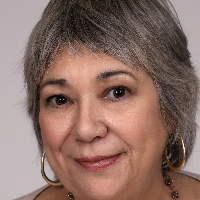
Roxy Mico
LCSW
Hawaii - 32 yrs exp



Kayla Davis
LCSW, LICSW
Hawaii - 14 yrs exp





How self esteem therapy can work for you in Hawaii
When you choose self esteem therapy in Hawaii you are selecting a process that is tailored to your personal history, identity, and goals. Therapists trained in this specialty typically help you explore the beliefs you hold about yourself, the stories that contribute to low confidence, and the everyday behaviors that reinforce those patterns. Over time you and your therapist will work on practical strategies to shift negative self-talk, set healthier boundaries, and build experiences that reinforce a more resilient sense of self. The landscape of therapy in Hawaii often includes awareness of cultural context, family connections, and community values, which can be important in shaping both the problems you bring and the changes you hope to make.
Finding specialized help for self esteem in Hawaii
Looking for a therapist who specializes in self esteem means paying attention to training and experience as well as fit. Some clinicians emphasize cognitive-behavioral techniques that help you identify distorted thoughts and replace them with balanced alternatives. Others may focus on attachment-based work or trauma-informed approaches that explore how early relationships influenced your sense of worth. In Hawaii you may also find therapists who integrate cultural strengths, values, and practices into therapy, making their work more relevant to local residents. If you live in Honolulu you will usually have access to a wider range of specialties and modalities. In Hilo and more rural areas, many therapists offer a blend of approaches and may bring deep knowledge of community dynamics. In suburban towns like Kailua you can often find clinicians who balance local community knowledge with contemporary methods.
Consider cultural and community context
Your identity, family background, and cultural roots matter in self esteem work. Therapists who practice in Hawaii often consider how cultural expectations, intergenerational dynamics, and community roles influence self-perception. Whether you are navigating familial expectations, cultural transitions, or the visibility of being different in a small community, a therapist who understands those elements can help you translate insight into action. When you search listings, look for language that resonates with your experience - whether that means mention of multicultural competence, work with families, or experience with local populations.
What to expect from online therapy for self esteem
Online therapy can be a practical option for many people across the islands. It removes travel time between islands, offers more scheduling flexibility, and can connect you to clinicians whose expertise may not be available nearby. When you begin online sessions, expect an initial consultation where you and the therapist assess goals, preferences, and any safety or logistical considerations. Sessions typically include talk therapy, skill practice, and homework assignments to reinforce changes between appointments. You should also discuss how the therapist structures online work - some clinicians use video only while others incorporate messaging and worksheets between sessions. If you live on a Neighbor Island and want a clinician located in Honolulu or on the mainland, online therapy can bridge that gap while still allowing you to build a sustained working relationship.
Making online therapy feel personal
To get the most from online therapy, create a comfortable environment where you can focus and reflect. Choose a quiet room, use reliable internet, and let household members know you will be unavailable during sessions. If in-person options are important, many therapists offer a mix of in-office meetings and remote check-ins, which can be especially useful if you travel between islands or have an irregular schedule. Some therapists may also offer evening or weekend hours to accommodate work and family commitments.
Common signs that someone in Hawaii might benefit from self esteem therapy
You might consider seeking self esteem therapy if you notice persistent self-criticism, difficulty accepting praise, or a pattern of avoiding opportunities because you assume you will fail. Relationships that repeatedly trigger feelings of unworthiness, a sense of being overlooked despite your efforts, or chronic people-pleasing are also common reasons people pursue this work. In the Hawaiian context, these patterns can be influenced by expectations from family or community roles, transitions between cultures, or the stress of moving between islands. If you find that negative self-beliefs are affecting your work, relationships, or ability to enjoy daily life, therapy can help you make concrete changes and build a stronger internal foundation.
Tips for choosing the right self esteem therapist in Hawaii
Choosing the right therapist is both practical and personal. Start by reading profiles carefully to understand a clinician's training, approaches, and areas of interest. If a therapist mentions experience with issues that match your concerns - such as self-criticism, performance anxiety, body image, or identity development - that is a useful cue. Next, consider logistics like location, availability, and whether you prefer in-person or online work. In Honolulu you may have more scheduling options and access to specialists, while in towns like Hilo and Kailua you might prioritize a therapist with local knowledge and flexible hours. Many professionals offer a brief introductory call to help you decide if the fit feels right; use that time to ask about their approach to building self esteem, expected pace of progress, and how they measure outcomes.
Trust and fit matter
Therapy works best when you feel understood and respected. You do not need to have everything figured out at the first session - what matters is finding a clinician who listens without judgment and collaborates with you on practical steps. Pay attention to how the therapist explains their methods and whether their suggestions feel realistic for your life. If something does not fit, it is acceptable to try a different clinician. Many people find that a strong personal fit accelerates progress and makes sessions more meaningful.
Making the most of your therapy in Hawaii
Once you begin work on self esteem, commit to small, consistent practices that reinforce what you learn in sessions. This can include journaling about progress, trying new social activities that test old assumptions, or practicing assertive communication in low-stakes situations. If you live near a community center or local group, supportive social spaces can provide opportunities to practice new behaviors in an encouraging environment. For people who move between islands or travel frequently, maintain contact with your therapist through online sessions to sustain momentum. Over time, small repeated shifts in how you speak to yourself and how you set boundaries tend to produce meaningful and lasting change.
Searching the listings below can help you find clinicians who match your needs - whether you want a therapist who prioritizes cognitive skills, explores cultural narratives, or blends approaches to suit your life in Honolulu, Hilo, Kailua, or elsewhere in Hawaii. Take your time reviewing profiles, consider an introductory call, and choose a path that supports steady growth in confidence and self-respect.