Find an Intimacy Issues Therapist in Hawaii
This page connects you with therapists in Hawaii who focus on intimacy issues and related relationship concerns. Browse the profiles below to compare approaches, locations such as Honolulu, Hilo, and Kailua, and find a clinician who meets your needs.
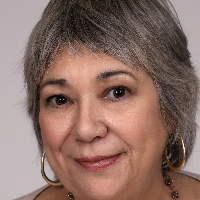
Roxy Mico
LCSW
Hawaii - 32 yrs exp




Dr. Sonya Boone
LCSW
Hawaii - 16 yrs exp












How intimacy issues therapy works for Hawaii residents
If you are exploring therapy for intimacy issues in Hawaii, you will find a mix of in-person and virtual options designed to meet the state's island geography and lifestyle. Many therapists offer individual sessions as well as couples therapy, working to understand your relationship patterns, communication habits, and the specific emotional or sexual concerns you bring. A typical course of work begins with an assessment of what is happening between you and your partner or within your own emotional life, followed by shared goal setting so you and your therapist have a clear direction. Over time you can expect practical tools to improve communication, rebuild trust, address mismatched desire, or process past experiences that affect current intimacy.
Finding specialized help for intimacy issues in Hawaii
When you look for a specialist, consider clinicians who list intimacy, sexual concerns, or couples therapy among their areas of expertise. In Honolulu you will find clinicians in larger practices and community clinics, while in Hilo and Kailua you may encounter more independent therapists who offer flexible scheduling to accommodate island life. Cultural competence is important in Hawaii, so you might prioritize therapists who describe experience with local communities, family structures, or diverse cultural values. If you are part of an LGBTQ+ community, are dealing with trauma, or have medical questions related to sexual functioning, seek clinicians who mention relevant training or collaborative approaches with medical providers. Profiles often include specialties, therapy styles, and practical details like fees and availability, which help you narrow your options before contacting someone for an initial conversation.
What to expect from online therapy for intimacy issues
Online therapy has made it easier to access intimacy-focused clinicians across the islands. If you live on a neighbor island or have a busy schedule in Honolulu, video sessions can save travel time and make consistent care more feasible. Typically you connect through video calls, phone sessions, or messaging options offered by your therapist. Before your first online meeting you will want to check your internet connection, choose a quiet, comfortable environment, and use headphones if you prefer additional auditory privacy. Many therapists clarify how they handle privacy and record-keeping, how long sessions last, and what technology they use, so you can feel informed about logistics. Online work can include the same kinds of assessments, communication skills practice, and homework as in-person sessions, while also allowing couples who live apart or who keep different schedules to join from separate locations.
Common signs that someone in Hawaii might benefit from intimacy issues therapy
You might consider therapy if you notice ongoing patterns that interfere with closeness and satisfaction. These patterns can include frequent arguments that circle back to the same topics, a sense of emotional distance or avoidance, persistent differences in sexual desire, or anxiety and shame that make connecting difficult. Intimacy problems can appear after life transitions like new parenthood, long-distance work arrangements, or relocation between islands, and can be compounded by stressors such as demanding work schedules, caregiving responsibilities, or the ripple effects of historical family expectations. Physical symptoms like sleep disturbance or changes in appetite may accompany relationship strain, though therapy focuses on the relational and emotional aspects rather than on medical diagnosis. If past trauma, trust breaches, or cultural pressures are shaping your interactions, specialized therapy can offer a space to address those influences and develop new patterns of relating.
Tips for choosing the right therapist for intimacy work in Hawaii
Choosing the right clinician begins with clarifying what you want to change and how you prefer to work. Consider whether you want individual therapy, couples sessions, or a combination. Look for credentials and training that match intimacy work - some therapists have additional training in couples therapy, sexuality education, or trauma-informed approaches. Read profiles to see how therapists describe their approach - some emphasize emotion-focused work, others focus on skills and behavior change, and some integrate education about sexual functioning. Cultural fit matters in Hawaii. You may prefer a therapist who understands local values and family dynamics, and who is familiar with the rhythms of life in Honolulu, Hilo, or Kailua. Availability and accessibility are practical factors - check whether a therapist offers evening appointments, in-person sessions on your island, or reliable online options. Cost and insurance coverage are also important; many profiles indicate accepted plans or sliding scale fees, and asking about a brief introductory call can help you assess rapport and practical fit before committing to ongoing work.
Questions to ask during an initial consultation
During your first conversation you can ask how the therapist approaches intimacy issues, what kinds of outcomes they aim for, and how they measure progress. It is reasonable to ask about experience with couples or with specific concerns like mismatched desire, sexual pain, or recovery after betrayal. If cultural or identity-related issues are relevant to you, inquire about the therapist's familiarity with those themes. You can also ask about logistics - session length, typical frequency, fees, and whether they coordinate care with other professionals if needed. A good initial meeting gives you a sense of whether you feel heard and whether the therapist offers approaches that feel workable for your life.
What happens in the first few sessions
Early sessions typically focus on gathering context. You and your therapist will review recent history, current struggles, and what you hope to achieve. If you come as a couple, sessions often begin with each partner describing their experience while the therapist maps patterns of interaction. From there you and the therapist set goals and may establish short-term steps to practice between sessions. These might include communication exercises, scheduling moments of connection, or individual reflection tasks. Many therapists integrate education about how desire, stress, and attachment shapes intimacy so you gain a clearer understanding of the underlying dynamics. Progress varies by situation - some people notice relief after a few sessions, while deeper relational patterns can take longer to shift. Consistent effort and open feedback to your therapist will help tailor work to your needs.
Making therapy part of your island life
Living in Hawaii brings both strengths and challenges when it comes to relationships. The sense of community, family ties, and cultural traditions can be an asset in healing, but they can also create pressures that affect intimacy. You may find it helpful to seek a therapist who respects those influences and can adapt strategies to fit island life, whether that means scheduling around ferry times, offering evening sessions after work in Honolulu, or using video sessions when travel is difficult. If you live in Hilo or Kailua, online options can connect you with specialists who may not have office hours on your island. Ultimately the right therapeutic fit will be one where you feel supported in exploring intimacy concerns and practicing new ways of relating in the context of your values and daily life.
When you are ready, use the profiles above to compare clinicians, read about their approaches, and reach out for an initial conversation. Taking that first step can help you and your partner move toward greater closeness and understanding in a way that respects your life in Hawaii.