Find a Black Therapist in Hawaii
This page lists Black Therapist professionals serving Hawaii, with practitioners available across the islands and in cities like Honolulu, Hilo and Kailua. Browse the listings below to review specialties, experience, languages, and contact options to find a good fit.



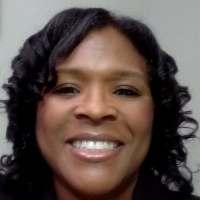

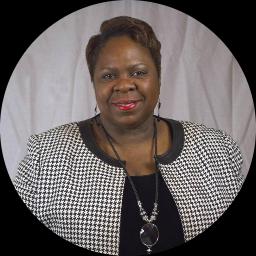
Dr. Sonya Boone
LCSW
Hawaii - 16 yrs exp













How Black Therapist therapy works for Hawaii residents
If you live in Hawaii and are seeking a therapist who identifies with or specializes in Black Therapist approaches, you will find care that blends general clinical training with an emphasis on cultural understanding. Sessions look much like other forms of talk therapy - you and a clinician meet regularly to talk through challenges, set goals, and try new ways of coping - but the provider brings additional awareness of racial identity, cultural context, and experiences that are common in Black communities. For many people living in Honolulu, Hilo, Kailua and other island towns, that cultural attunement can make conversations feel more relatable and focused on the issues you say matter most.
Because Hawaii is an archipelago, geography plays a role in how you access care. Some people prefer in-person appointments in larger population centers like Honolulu, while others use online sessions to reach clinicians who practice on different islands or mainland-based specialists who offer culturally informed care. Either way, the therapeutic process involves establishing rapport, assessing your goals, and working with the therapist on steps you can take between sessions.
Finding specialized help for Black Therapist in Hawaii
Finding a therapist who fits your needs starts with clear priorities. Decide whether cultural background, training in particular therapeutic methods, language, or practical logistics like evening availability and insurance acceptance are most important to you. When you search listings, read profiles to see how providers describe their approach to race, identity, and community. Many clinicians will note whether they have experience working with issues common to Black clients, such as racial stress, identity development, family dynamics, or legacy trauma. If you live in a town with fewer local options, like Hilo, online therapy can widen your choices so you can connect with a clinician who understands your background and values.
Local community networks can also help you find recommendations. Civic organizations, cultural associations, faith communities, and college counseling centers in places like Honolulu and Kailua sometimes maintain lists of culturally responsive providers. When you contact a potential therapist, it is appropriate to ask about their experience with Black communities, what approaches they use in therapy, and how they handle issues that arise from race and culture. A thoughtful clinician will welcome those questions and explain how they adapt treatment to the needs of each client.
What to expect from online therapy for Black Therapist
Online therapy can feel different from meeting in an office, but many of the same therapeutic principles apply. You can expect sessions to be scheduled at a mutually convenient time and to last about 45 to 60 minutes, with an initial intake session used to understand your history and goals. Communication methods vary by clinician - some rely primarily on video calls, while others offer phone sessions or limited messaging between appointments. If you choose online care, make sure you have a private space for your session where you will not be interrupted, and check that your internet connection supports stable video if that is how you will meet.
For Black clients in Hawaii, online therapy can provide access to clinicians who specialize in racial trauma, cultural identity, and intergenerational issues but do not live on the same island. You should also ask about the clinician's policies on record keeping, emergency procedures, and how they maintain the privacy of your sessions. Discussing practical matters like fees, insurance, and whether a therapist offers a short introductory call can help you feel confident before committing to regular sessions.
Common signs someone in Hawaii might benefit from Black Therapist therapy
You might consider reaching out to a Black Therapist provider if you notice persistent feelings that interfere with your daily life. Ongoing sadness, anxiety that makes it hard to focus or sleep, difficulty in relationships, and increased use of alcohol or substances to cope are common reasons people seek therapy. You may also find value in therapy if you are navigating identity questions, coping with experiences of racism or discrimination, managing stress tied to family expectations, or processing grief that spans generations. Living in Hawaii can add unique layers - geographic isolation from family members on other islands or the mainland, multiracial family dynamics common in the islands, and community pressures that affect how you express emotions - and a therapist who understands these nuances can make those conversations more meaningful.
If you are uncertain whether therapy is right for you, a single consultation can be a low-commitment way to explore how a clinician approaches issues you care about. Therapy is not about instant fixes; it is a process you shape together with a therapist who helps clarify goals and strategies suited to your life in Honolulu, Hilo, Kailua or elsewhere in the state.
Tips for choosing the right therapist for this specialty in Hawaii
Start by clarifying what matters most to you in the therapeutic relationship. Some people want a provider who shares cultural background, while others prioritize specific training or a particular modality. Once you know your priorities, look for clinicians who explicitly describe their approach to race, identity, and community on their profiles. Pay attention to experience with issues you want to address and to communication style. If you are balancing a busy schedule, check whether a therapist offers evening hours or online appointments so you do not have to travel for long periods between islands.
It is reasonable to request an initial call or brief consultation to get a sense of the therapist's style before committing to regular sessions. During that conversation, you can ask how they handle topics related to racial stress, whether they have experience working with families or couples, and how they measure progress. Practical considerations such as cost, payment options, and insurance coverage matter too. Some clinicians may offer a sliding scale or reduced-fee options; others may be in-network with certain insurers. If you live outside Honolulu, in a place like Hilo or Kailua, confirm whether in-person visits are available or whether services are provided only remotely.
Trust your sense of fit. A therapist can be highly qualified on paper but not be the right match for your needs. If you start sessions and feel misunderstood, it is acceptable to discuss that with the therapist or to try a different provider. Building a good therapeutic relationship is often the most important factor in making progress.
Practical considerations for island living
Island life includes travel time, limited local specialty options in some areas, and close-knit communities where word-of-mouth matters. If you prefer in-person care, look for providers in larger urban centers like Honolulu, where more clinicians practice and where you may find a broader range of specializations. If travel is a barrier, online therapy can connect you to clinicians who understand the Black experience yet are not physically nearby. Consider how weather, ferry schedules, or interisland flights might affect the logistics of attending appointments and discuss flexible arrangements with your therapist when necessary.
Next steps
When you are ready, use the listings above to compare profiles, read about clinicians' areas of focus, and contact those who seem like a fit. Whether you choose in-person appointments in Honolulu or online sessions with a clinician who understands Black identity and culture, taking the first step to reach out is often the hardest and most important part. You deserve support that respects your background and helps you move toward the goals you set for yourself.