Find a Trauma and Abuse Therapist in Georgia
Find licensed therapists in Georgia who specialize in Trauma and Abuse, offering both in-person and online options throughout the state. Browse the listings below to compare approaches, availability, and areas of focus, then reach out to schedule an initial appointment.

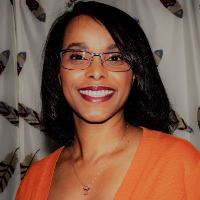







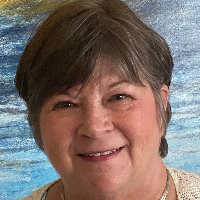
Dr. Anila Malik
LPC
Georgia - 36 yrs exp
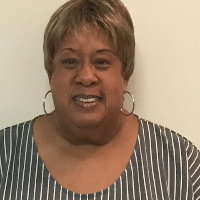


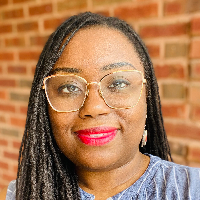
Amargo Crenshaw
LPC
Georgia - 20 yrs exp




How Trauma and Abuse Therapy Works for Georgia Residents
If you are seeking help after experiencing trauma or abuse, therapy typically begins with an assessment of your current needs, safety, and coping resources. Therapists who focus on trauma will listen to your history and symptoms, and work with you to develop a treatment plan that fits your pace and goals. That plan may include evidence-informed approaches such as cognitive behavioral methods, trauma-focused cognitive behavioral therapy, EMDR, somatic therapies, or narrative approaches - each aimed at helping you process experiences, reduce distressing symptoms, and build skills for daily life. You and your therapist will decide how often to meet and how to balance skills-building with processing difficult memories, always attending to your sense of safety and consent.
Finding Specialized Help in Georgia
When looking for a therapist with trauma and abuse experience in Georgia, you can start by checking clinician profiles for listed specialties, training, and modalities. Many therapists note additional training in trauma-specific methods and in working with survivors of intimate partner violence, childhood abuse, military trauma, or community violence. You may also want to look for clinicians who mention experience with crisis intervention, safety planning, and coordination with local agencies when needed. If you live near urban centers such as Atlanta, you will likely find a larger range of specialists and clinic settings, while smaller cities or rural areas may offer fewer options but increasing telehealth access. Cities like Savannah and Augusta also host clinicians who combine local community knowledge with trauma-informed practice.
Considerations About Licensure and Credentials
In Georgia, clinicians often hold credentials such as Licensed Professional Counselor (LPC), Licensed Clinical Social Worker (LCSW), or Licensed Marriage and Family Therapist (LMFT). Those credentials indicate state licensure to provide mental health services. Many trauma specialists also list additional certifications or trainings in EMDR, trauma-informed care, or somatic therapies. Reviewing a therapist's education, years of experience, and stated clinical focus will help you determine whether they match your needs.
What to Expect from Online Therapy for Trauma and Abuse
Online therapy has become a common option for people across Georgia, offering greater scheduling flexibility and access to specialists who may not be near you. If you choose telehealth, expect most sessions to mirror in-person therapy in structure - check-in, review of coping strategies, and time for processing material that feels manageable for you. Therapists typically discuss how they handle safety concerns, emergency contacts, and privacy protections for online sessions. You should also review any technology requirements, such as a stable internet connection and a quiet space where you feel comfortable speaking openly. For many Georgians balancing work, family, or caregiving responsibilities, virtual sessions can make consistent treatment more feasible.
Differences to Keep in Mind
While online sessions are convenient, some therapeutic techniques may be adapted for distance work. Exposure-based or somatic approaches can still be effective online, but your therapist will explain how they modify exercises to fit the format. If you live in the Atlanta metropolitan area or in cities like Savannah and Augusta, you may have the option to blend in-person and virtual sessions depending on clinician availability and your preferences.
Signs You Might Benefit from Trauma and Abuse Therapy
You might consider seeking trauma-informed therapy if you notice recurring patterns that interfere with daily life. These can include persistent anxiety, intrusive memories or physical reactions to reminders of past events, difficulty sleeping, avoidance of places or people connected to trauma, or sudden changes in mood and relationships. Some people find themselves feeling disconnected, numb, or hypervigilant in situations that did not previously feel threatening. Others experience ongoing difficulties with trust, intimacy, or parenting that they want to address in a therapeutic setting. If symptoms are causing distress at work, in relationships, or in your sense of well-being, reaching out to a trauma-aware clinician can be a helpful step.
Tips for Choosing the Right Therapist in Georgia
Choosing a therapist is a personal process, and it helps to approach it with several practical steps. Start by clarifying what you hope to gain from therapy - symptom relief, coping strategies, processing of memories, or support for life transitions. Look for clinicians who explicitly list trauma and abuse as areas of focus and who describe their therapeutic approach in language that resonates with you. Consider logistics such as whether they accept your insurance, offer sliding-scale fees, or provide evening appointments if you work. If proximity matters, note clinicians practicing near you - perhaps in Atlanta for greater specialty options, or in nearby regional centers like Savannah and Augusta if you prefer shorter travel times.
When you contact a therapist, you can ask about their experience with cases similar to yours, how they structure early sessions, and how they handle crises or safety planning. Many clinicians offer a brief phone consultation - use that time to get a sense of their communication style and whether you feel heard. Trust and comfort are important, so if a therapist does not feel like a good fit, it is reasonable to try a different clinician until you find the right match.
Access and Costs
Cost and insurance coverage vary. Some therapists accept Medicaid, private insurance, or offer reduced-fee options. If cost is a barrier, ask about sliding-scale arrangements, community mental health centers, or university training clinics where supervised clinicians offer lower-cost services. Your needs may also be supported by local advocacy groups, crisis hotlines, or coordinated services in hospitals and nonprofit organizations that serve survivors of abuse.
Planning for the First Sessions
Your first sessions will often focus on building rapport, assessing safety, and setting goals. Your therapist may ask about your trauma history, current symptoms, and coping strategies you already use. This is also a time to talk about practical matters - session frequency, expected duration, cancellation policies, and what to do between sessions if difficult emotions arise. Many therapists provide grounding techniques and short-term coping tools you can use right away, and then gradually move into deeper processing as you and your clinician agree you are ready.
Community and Cultural Considerations in Georgia
Georgia has diverse communities and cultural contexts that shape how people experience and recover from trauma. You may want a therapist who understands local cultural norms, family structures, or community resources. In larger cities such as Atlanta, you may find clinicians with specialized cultural competence or experience with particular populations. In coastal or rural areas, local support networks and faith-based organizations sometimes play a role in recovery, and a therapist familiar with these dynamics can help you navigate options that feel respectful and effective.
Finding a therapist who supports your values, understands your background, and offers a clear plan for care will help you make the most of treatment. Whether you connect with someone near Atlanta, arrange telehealth sessions from a smaller Georgia town, or meet a clinician in Savannah or Augusta, you have options. Taking the first step by reviewing profiles, asking questions, and scheduling an initial session can open the path toward healing and improved daily functioning.