Find a Dialectical Behavior Therapy (DBT) Therapist in Georgia
Dialectical Behavior Therapy, often called DBT, is a structured approach that emphasizes skills for emotion regulation, distress tolerance, interpersonal effectiveness, and mindfulness. Explore experienced DBT practitioners across Georgia and review profiles to find a clinician who matches your needs.
Use the listings below to compare credentials, availability, and therapy formats, then reach out to schedule a first appointment.




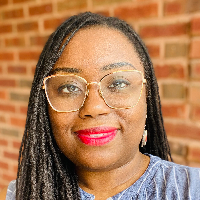
Dr. Anila Malik
LPC
Georgia - 36 yrs exp

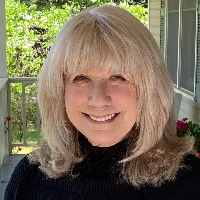
Fred Farrar
LPC
Georgia - 30 yrs exp

















What is Dialectical Behavior Therapy (DBT)?
Dialectical Behavior Therapy is an evidence-informed approach that blends cognitive-behavioral techniques with practices that emphasize acceptance and present-moment awareness. Rather than focusing only on changing thoughts and behaviors, DBT helps you develop specific skills to manage overwhelming emotions and reduce impulsive reactions. The model organizes treatment around four skill areas - mindfulness, emotion regulation, distress tolerance, and interpersonal effectiveness - and uses both individual therapy and skills training to help you apply these abilities in daily life.
Principles that guide DBT
DBT rests on a balance between change and acceptance. Therapists work with you to identify unhelpful thinking and behavior patterns while also validating your experiences and teaching practical ways to cope. Treatment tends to be structured and goal-oriented, with an emphasis on practicing skills between sessions. This combination makes DBT practical for people who want concrete tools as well as a supportive therapeutic relationship.
How DBT is used by therapists in Georgia
Therapists across Georgia adapt DBT to fit diverse settings, from private practice to community clinics. In larger metro areas like Atlanta, many clinicians offer a full DBT model that includes individual sessions, group skills training, and coaching between sessions. In smaller communities or suburban practices, therapists may integrate DBT skills into a broader treatment plan that is tailored to your unique concerns. Across the state, clinicians aim to make skills accessible whether you prefer in-person meetings or online sessions.
In cities such as Savannah and Augusta, you may find therapists who emphasize culturally responsive approaches, recognizing how local community dynamics shape emotional experience and relationship challenges. DBT practitioners in college towns like Athens often work with young adults navigating academic stress and relationship transitions. Wherever you are in Georgia, expect clinicians to explain how they adapt DBT principles to your life circumstances.
Common concerns DBT is used for
DBT is commonly used when strong emotions, impulsive responses, or unstable relationships interfere with daily life. You might seek DBT if you struggle with intense mood swings, recurring self-destructive behaviors, or difficulty managing stress in relationships. The skills are designed to help you tolerate distress without making things worse, regulate overwhelming feelings, communicate more effectively, and stay grounded through mindfulness practices. While each person’s experience is unique, many find DBT helpful when they want structured strategies that can be practiced and measured over time.
What a typical DBT session looks like online
Online DBT sessions closely mirror in-person work but offer greater flexibility in scheduling and access. A typical online session begins with a brief check-in where your therapist reviews how you have been doing since the last meeting, including any homework or skills practice. You and your therapist may use a diary card or digital tracker to note emotional intensity, behaviors, and the skills you tried. The main part of the session often focuses on problem-solving a recent event or going through a chain analysis to understand the sequence of thoughts and actions that led to a difficult outcome.
Many DBT therapists also offer group skills training online, where you learn and practice core skills with others. These groups combine teaching with in-session practice and role play. Between sessions, your therapist may provide coaching to help you apply skills in real time. Online formats typically use video calls and text-based messaging tools to share worksheets and goals, and therapists will explain how they handle scheduling and technical details at your initial consultation.
Who is a good candidate for DBT?
DBT suits people who want practical skills to manage intense emotions, reduce impulsive behavior, and improve relationships. You should expect to participate actively - attending sessions, practicing skills between meetings, and tracking progress. People who benefit most are willing to commit to a structured approach and to learn new ways of responding under stress. If you have experienced repeated crises or patterns of conflict in relationships and want a therapy that teaches concrete coping strategies, DBT can be a strong option.
If you are unsure whether DBT is right for you, a consultation with a clinician can help clarify how the model might fit your goals. Therapists in Atlanta, Savannah, and Augusta often offer brief intake calls or initial sessions to discuss whether DBT or a DBT-informed approach would be the best match.
How to find the right DBT therapist in Georgia
Searching for the right clinician means looking beyond labels to the specific training, experience, and approach of each provider. Start by checking whether the therapist has formal DBT training and whether they include both individual therapy and skills training in their practice. Ask about how they structure treatment, what to expect in a first session, and how they support skill practice between meetings. Many therapists list whether they offer online sessions, group skills classes, or evening appointments, which can be helpful if you have constraints around work or travel.
Location matters for in-person work but is less limiting with online sessions. If you prefer face-to-face care, focus on providers in cities like Atlanta or Augusta. If you need evening or weekend options, note availability in profiles. Consider practical concerns such as fees, insurance acceptance, and whether the clinician offers sliding-scale rates. A good match also depends on the therapeutic fit - how comfortable you feel with the therapist's communication style and how clearly they explain the DBT process.
When evaluating clinicians, it can be useful to ask about experience with issues similar to yours and whether they teach the four core DBT skill modules. If group skills training is important to you, ask whether groups meet weekly and how long the program runs. For students and young adults in Athens or other university communities, inquire about the therapist's experience with academic stress and transitional periods. In coastal areas like Savannah, you may find providers who incorporate local cultural context into their approach.
Next steps and practical tips
Begin by reviewing profiles and noting clinicians whose training and availability match your needs. Schedule a brief intake or consultation to get a sense of how they work and whether their plan aligns with your goals. Prepare a few questions for that conversation - ask about session structure, how progress is tracked, and what homework or practice looks like. If you opt for online care, confirm technical requirements and how the therapist handles between-session support. Finding the right DBT therapist often means combining practical considerations with your sense of rapport, so take time to compare options and trust your judgment about who feels like the best partner in your work.
DBT offers a clear set of tools that many people find empowering and practical. Whether you are seeking help in Atlanta, Savannah, Augusta, Columbus, or a smaller Georgia community, a trained DBT clinician can help you learn skills to manage strong emotions, reduce harmful patterns, and improve relationships over time.