Find a Client-Centered Therapy Therapist in Georgia
Client-Centered Therapy is a person-focused approach that emphasizes empathy, respect, and the therapist's genuine presence. Find practitioners across Georgia who use this approach to support self-exploration and growth.
Browse the listings below to compare profiles, areas of focus, and appointment options in your area.








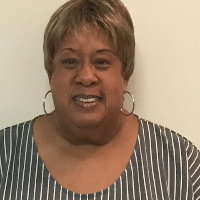
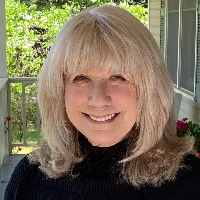
Dr. Anila Malik
LPC
Georgia - 36 yrs exp

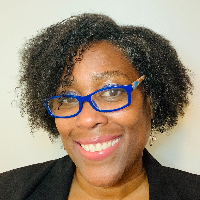




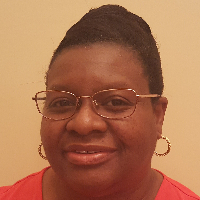
Fred Farrar
LPC
Georgia - 30 yrs exp





What Client-Centered Therapy Is
Client-Centered Therapy, sometimes called person-centered therapy, grew out of humanistic psychology and centers the therapeutic relationship as the environment for personal growth. The approach is based on the idea that people have the capacity for self-understanding and self-directed change when they are met with empathy, acceptance, and authenticity. In practice this means the therapist follows your lead, listens deeply, reflects what they hear, and creates a nonjudgmental space where you can explore thoughts, feelings, and choices without pressure to perform or fit a particular model.
Rather than focusing on techniques that direct you toward specific solutions, client-centered therapists prioritize the quality of the interaction itself. When the therapist offers genuine presence, clear understanding, and unconditional positive regard, many people find it easier to recognize their own wants and values and to take steps that feel true to them.
How Therapists in Georgia Use This Approach
In Georgia, therapists apply client-centered principles across many settings and populations. You will find clinicians trained in this approach in private practices, community clinics, university counseling centers, and employee assistance programs. In larger urban areas like Atlanta, therapists may combine client-centered methods with other modalities to address complex needs, while in smaller communities the approach can offer a flexible, person-first way to support life transitions, relationship concerns, and emotional well-being.
Therapists in Savannah and Augusta often adapt the pace and focus of sessions to fit the rhythms of local life. Whether you see a clinician in an office near downtown Atlanta or work with someone via video from a quieter part of the state, the core commitment is the same - attending to your perspective and helping you build a clearer sense of direction.
Issues Client-Centered Therapy Is Commonly Used For
Client-Centered Therapy is commonly used when you want an exploratory, non-directive process that prioritizes your experience. People come to this approach when they are facing anxiety, low mood, stress from life transitions, difficulties with self-esteem, or complex feelings related to identity. It is also helpful when you are navigating relationship strain, parenting challenges, or grief and loss and want a therapist who will listen without imposing a fixed agenda.
Because the method emphasizes empathy and acceptance, it can be a good option if you have felt judged in other helping relationships or if you need time to clarify your goals before moving toward practical changes. Therapists often pair client-centered work with other strategies when you and your clinician agree that targeted skills training or behavioral interventions would be useful alongside reflective exploration.
What a Typical Session Looks Like Online
If you choose to meet online, a typical client-centered session will begin with a gentle check-in about how you have been since your last meeting. The therapist will invite you to speak about what matters most to you in that moment and will listen attentively without rushing to interpret or advise. You can expect open-ended questions and reflections that help you hear your own thoughts more clearly, as well as pauses that give you space to gather your thinking.
Sessions usually last around 45 to 60 minutes, and the structure is flexible - some weeks you might focus on a single feeling or memory, while other weeks you may talk through decisions or current stressors. Because the therapist’s role is to be present and responsive rather than directive, you control the pace and the topics. For online sessions, choose a quiet, uninterrupted room and check your device and connection beforehand so the conversation can flow naturally.
Practical considerations for online work
When you meet virtually, be mindful of scheduling in a way that supports privacy and reflection. Have a list of things you might want to discuss if that helps you get started, but know that the therapist will follow what emerges in the session. If you live in a rural part of Georgia, online options can make it easier to access a person-centered clinician whose experience matches your needs without requiring long travel times.
Who Is a Good Candidate for Client-Centered Therapy
You may be a strong candidate for this approach if you value being listened to deeply and want to develop greater self-understanding. If you feel ready to explore your feelings and choices at your own pace, and you prefer collaboration over instruction, client-centered work can support that process. People who have experienced judgment or dismissal elsewhere often find the accepting stance of this therapy refreshing and stabilizing.
That said, client-centered therapy is not a one-size-fits-all answer. If you are seeking very directive problem-solving, immediate symptom-focused techniques, or specialized interventions for specific medical concerns, you may want a clinician who blends person-centered principles with other evidence-informed strategies. Many therapists in Georgia are comfortable tailoring their style to your goals, so you can discuss how client-centered methods will fit into a broader plan for care.
How to Find the Right Client-Centered Therapist in Georgia
Begin by clarifying what matters most to you in therapy - whether it is greater emotional clarity, help managing everyday stress, or support through a major life change. Use those priorities to guide your search on TherapistDirectory and to read profiles carefully. Look for clinicians who explicitly name client-centered or person-centered approaches and who describe how they work in sessions. Pay attention to their training, licensure, and areas of focus so you can find someone whose background aligns with your needs.
Consider practical factors such as location if you prefer in-person visits in cities like Atlanta, Savannah, or Augusta, or session format if you need the convenience of online appointments. Reach out to ask about availability, typical session structure, and whether they offer an initial consultation to see if the fit feels right. Many therapists welcome a brief phone call or message to answer questions about their approach and what you can expect in the early weeks of work together.
Making the Most of Your First Sessions
In the first few appointments, be honest about your goals and what you hope to get from therapy. You can ask the clinician how they apply client-centered principles in their practice and what you might expect from a collaborative process. If something in the relationship does not feel comfortable, bring it up - part of the work is building an alliance that reflects mutual respect and responsiveness.
Finding a therapist who helps you feel seen and heard often matters more than matching a single label on a profile. Whether you live in a busy neighborhood in Atlanta, near the historic districts of Savannah, or in the university community of Augusta, there are clinicians ready to listen and to support your next steps.
Next Steps
When you are ready, use the directory listings to compare profiles, check credentials, and reach out for an introductory conversation. Taking that first step can help you find a clinician who offers the empathic presence and thoughtful attention that are at the heart of client-centered therapy. From there you and your therapist can shape a course of work that reflects your values, goals, and pace of change.