Find a Therapist of Color Therapist in Georgia
This page connects you with therapists of color practicing across Georgia, including Atlanta, Savannah and Augusta. Browse the listings below to review specialties, approaches, languages spoken, and availability to find a good fit for your needs.









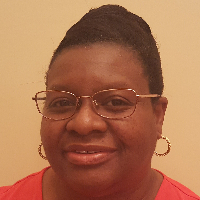
Dr. Anila Malik
LPC
Georgia - 36 yrs exp










How therapist of color therapy works for Georgia residents
When you look for a therapist of color in Georgia you are often seeking clinical expertise combined with cultural understanding. Therapists of color bring their professional training together with lived experience or dedicated cultural competency to address concerns that are shaped by race, ethnicity, immigration status, language, and community history. In Georgia, where communities range from the dense urban neighborhoods of Atlanta to coastal Savannah and more rural counties, this approach can help you address challenges that have cultural or systemic roots as well as everyday stressors.
Therapists of color use a variety of therapeutic models - such as cognitive-behavioral techniques, psychodynamic work, trauma-informed care, and family systems approaches - while centering cultural context. That means your identity, cultural values, spiritual traditions, and experiences with discrimination or belonging are treated as important threads in the work rather than side details. If you want a clinician who can speak your language, understand cultural norms, or link mental health with community resources, looking for a therapist of color is a practical step.
Finding specialized help for therapist of color in Georgia
Start by considering what matters most to you beyond race or ethnicity. You may want someone who shares your language, your immigration background, your faith tradition, or who has experience with a specific issue such as intergenerational family conflict, workplace microaggressions, racial trauma, or navigating identity as a teen. Use the directory filters to narrow by city, specialty, modality, and insurance, and read therapist profiles to get a sense of training and approach. Major population centers like Atlanta often offer a wider range of specialties and bilingual clinicians, while smaller communities may have fewer options but still include practitioners experienced with culturally centered care.
If you live in or near Atlanta, you may find clinicians with deep experience in urban community mental health and diverse client populations. In Savannah and Augusta you may encounter therapists who blend community-based perspectives with local resources. University towns such as Athens often have clinicians connected to academic training programs who can provide evidence-based care. If you are outside these cities, online options can expand your choices while allowing you to work with clinicians who understand your cultural background.
Verifying credentials and experience
When evaluating profiles, look for licensure in Georgia, stated specialties, and mentions of training specific to culturally responsive therapy. Many therapists describe the populations they work with, languages spoken, and examples of past focus areas. You can ask questions at your first contact about their experience with issues similar to yours, how they integrate cultural identity into treatment, and whether they have experience with clients from your community. This helps you assess whether the clinician’s background aligns with your needs.
Practical search steps
Use location filters to see who works near you or who offers telehealth to Georgia residents. Pay attention to session formats - some clinicians offer in-person appointments in cities like Atlanta or Savannah, while others maintain virtual schedules that make it possible to access care from across the state. Consider cost, insurance participation, and whether sliding scale options or community clinics might help make care more affordable.
What to expect from online therapy with a therapist of color
Online therapy can be a strong option if you do not live near a clinician who matches your cultural or linguistic needs, or if travel and scheduling are barriers. With a remote appointment you can connect by video, phone, or structured messaging, depending on the clinician’s practice. You should expect a standard intake process - an initial session to review background and goals, consent forms, and a discussion about technology and privacy in your setting. You can also ask about how cultural context informs online work - for example, how your therapist addresses microaggressions, cultural stress, or family expectations within telehealth sessions.
One practical advantage is access: if you live in a rural part of Georgia, online care can make it possible to work with a therapist based in Atlanta or another city who shares your background. Online work requires a private area where you can speak freely and a reliable internet connection for video sessions. Before your first appointment, test your device and consider whether phone or video feels more comfortable for you.
Preparing for remote sessions
Think about what you want to address and prepare questions about the clinician’s experience with clients from your cultural group. It helps to decide whether you prefer a therapist who is an active guide or one who uses a reflective, exploratory style. You can also ask about crisis procedures, appointment cancellation policies, and how they coordinate care with other professionals if needed.
Signs you might benefit from therapist of color therapy
You might consider a therapist of color if you have felt misunderstood by previous clinicians, if cultural values are central to the problem you bring to therapy, or if you experience ongoing stress related to discrimination. People often seek culturally focused care when they want to explore identity development, navigate intergenerational expectations, or cope with the emotional effects of racism and bias. If you are dealing with anxiety, depressive symptoms, relationship strain, or trauma, and you feel that cultural context plays a role, a therapist who centers that context can help you make sense of experiences in ways that feel relevant and respectful.
Other signs include difficulty expressing cultural or spiritual concerns with therapists who do not share your background, language barriers during sessions, or a desire for a clinician who understands community-specific stressors such as migration-related trauma or the pressures of being a minority in certain work or school environments. Seeking a therapist of color is not limited to any one diagnosis - it is a choice about cultural fit and the therapeutic lens you want guiding your care.
Tips for choosing the right therapist for this specialty in Georgia
First, prioritize fit. Read profiles and look for mentions of the populations and issues you care about. If language is important, focus on clinicians who list the language you prefer. Consider whether you want in-person meetings - for example, if you are in Atlanta you may have more in-person options - or whether telehealth meets your needs. Be open to an initial consultation conversation; many therapists offer brief intake calls so you can ask about approach, experience, and what a typical session looks like.
Ask questions about boundaries and collaboration. A good clinician will invite you to discuss goals and check in about cultural dynamics that matter to you. Cost and insurance are practical considerations - verify whether a therapist accepts your plan, offers a sliding scale, or can suggest community resources. If you want more connection to local supports, ask whether the therapist collaborates with community groups, faith leaders, or other professionals in Georgia to extend care beyond sessions.
Trusting your experience
Choosing a therapist is a personal decision and your response to the first few sessions is informative. Pay attention to whether you feel heard, whether the clinician responds respectfully to cultural questions, and whether the therapeutic plan reflects your priorities. It is acceptable to change therapists if the fit is not right - what matters is finding a clinician with whom you can build a working relationship that helps you move toward your goals.
Practical considerations in Georgia - licensing, payment, and access
Make sure any therapist you consider is licensed to practice in Georgia and that you understand whether their services are offered in-person in cities like Atlanta, Savannah, or Augusta, or via telehealth across the state. Ask about payment methods, insurance participation, and options for lower-cost care such as community clinics or university training clinics. Accessibility is also worth checking - some clinicians provide evening or weekend hours, which can be important if you balance work or caregiving responsibilities.
If you are looking for specialized support, local resources such as community mental health centers, cultural organizations, or campus counseling centers may be able to recommend clinicians who identify as therapists of color or who have focused training. Whether you live near the coast or inland, taking the time to read profiles, ask targeted questions, and reflect on how comfortable you feel with a clinician will help you find a therapist who can meet your needs in a culturally meaningful way.
When you are ready, use the directory listings above to compare therapists, review specialties, and reach out to schedule an initial consultation. Finding the right therapy relationship can make a difference in how you understand and manage the challenges you face, and connecting with a clinician who honors your cultural background can be an important part of that process.