Find a Separation Therapist in Georgia
This page lists therapists across Georgia who specialize in separation-related concerns, from relationship endings to co-parenting adjustments. Explore clinician profiles and practice details below to find a therapist who fits your needs in Atlanta, Savannah, Augusta, and beyond.







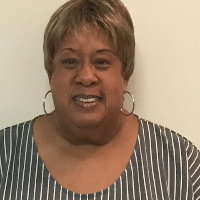




Amargo Crenshaw
LPC
Georgia - 20 yrs exp









How separation therapy works for Georgia residents
If you are facing a separation, therapy is focused on helping you manage the emotional, practical, and relational changes that come with it. Initially you will typically meet with a clinician for an assessment of your situation - what brought you to therapy, the most pressing stressors, and the goals you want to achieve. Sessions often include emotion regulation skills, strategies for communication with an ex-partner, and planning for parenting consistency when children are involved. Therapy may be short term for acute support surrounding a specific decision or transition, or it may continue for months if you want to work on deeper issues like attachment patterns, identity changes, or rebuilding trust in relationships.
Therapists in Georgia often tailor their approach to local realities. If you live in a larger city like Atlanta, you may find clinicians with experience working alongside family law professionals or court-ordered referrals, while providers in smaller communities may offer a broader mix of therapy and community-based supports. Your therapist will not replace legal advice, but they can help you manage the emotional impacts of legal processes and coordinate care with other professionals when appropriate.
Finding specialized help for separation in Georgia
When you look for a therapist who specializes in separation, prioritize clinicians who explicitly list separation, divorce transitions, or co-parenting support among their areas of expertise. Licenses and credentials are important - therapists may hold licenses such as Licensed Professional Counselor or Licensed Clinical Social Worker - and many will also list additional training in family systems, trauma-informed care, or mediation. You can find specialists in metropolitan hubs like Atlanta, where a wide range of clinicians and therapy modalities are available, as well as in coastal Savannah and riverfront Augusta, which also host experienced practitioners.
Consider whether you want someone who offers individual therapy, couples or co-parenting sessions, or both. Some therapists provide parenting coordination or joint sessions designed to ease transitions for children. If you have particular cultural, religious, or identity-related needs, search for clinicians who describe that experience in their profiles. Location matters for in-person work, but many Georgia therapists also offer remote sessions that expand your options across county lines.
Working with therapists across Georgia's communities
Where you live can shape practical aspects of therapy. In Atlanta you may have access to clinicians who work with diverse family structures and complex legal cases, while Savannah providers might emphasize community and family support networks. Augusta clinicians may have experience with rural-urban boundary issues, including commuting challenges and coordination with community resources. If you live in Columbus or Athens, you can also find therapists who understand local schools, university-related dynamics, or military and service member family needs. Ask potential therapists how familiar they are with issues common in your community and whether they have experience collaborating with local professionals.
What to expect from online therapy for separation
Online therapy has become a common option for people seeking separation support in Georgia. You can expect sessions by video or phone that cover many of the same therapeutic skills used in face-to-face work - processing emotions, planning next steps, improving communication, and creating parenting plans that work for your family. One advantage of online sessions is flexibility in scheduling and the ability to connect with specialists who may not be close to your home, which is helpful if you live outside major urban centers or need evening appointments around work or school.
When you choose online therapy, consider the therapist's approach to privacy and professional boundaries in remote sessions. Discuss with your clinician how you can find a quiet, comfortable environment for sessions, what to do if you experience a crisis between appointments, and how records and billing are handled. Some people find online work makes it easier to maintain continuity of care during transitional periods, such as moving between cities in Georgia or arranging sessions during a separation that affects living arrangements.
Limitations and practical considerations for teletherapy
Online therapy is not always a substitute for in-person services, particularly when immediate, hands-on interventions are needed or when local community resources must be accessed quickly. If therapy needs extend to coordinated legal or social services, your therapist can help you find local supports and plan for hybrid care that mixes in-person and remote sessions. Make sure your therapist explains how they manage emergencies and how to reach local crisis resources if needed.
Common signs you might benefit from separation therapy
You may benefit from separation therapy if you notice persistent emotional distress that interferes with daily function, such as difficulty sleeping, trouble concentrating at work, or withdrawal from friends and activities. Intense feelings of anger, persistent sadness, or overwhelming anxiety about the future are also reasons to reach out. If separation has triggered conflict about parenting arrangements that leaves you stuck or repeatedly arguing about logistics, therapy can offer communication tools and strategies to reduce tension for your children.
Other signs include repeated patterns that led to relationship breakdowns, difficulty making decisions about living or financial arrangements, or a sense that past trauma is making it harder to move forward. Even if you are not ending a relationship voluntarily, separation-related therapy can help you process grief and plan for next steps in a grounded way. If you are in Atlanta, Savannah, Augusta, or another part of Georgia, seeking early support can prevent stress from escalating and help preserve your capacity to manage legal and practical demands.
Tips for choosing the right therapist for separation in Georgia
Start by clarifying what you want from therapy - immediate emotional support, co-parenting coaching, mediation skills, or long-term relational work. Use that clarity to filter clinician profiles and look for stated experience with separation or divorce. Read about therapists' approaches and training, and reach out to ask about their experience working with clients in situations similar to yours. Many therapists offer an initial consultation that lets you gauge fit and discuss logistics like session frequency, fees, and insurance participation.
Consider compatibility as much as credentials. You will do deeper work and make better progress if you feel heard and understood. Ask therapists about their experience with specific issues you face, such as custody transitions, blended family dynamics, or the emotional aftermath of infidelity. If you prefer to work in person, prioritize clinicians based in your city or a nearby community. If schedules or distance are constraints, inquire about online availability so you can maintain continuity even if circumstances change.
Finally, think practically about scheduling, fees, and the expected length of therapy. Some clinicians offer short-term intensive work focused on planning and stabilization, while others provide longer-term therapy to address underlying patterns. A thoughtful therapist will discuss goals and provide a clear plan for how you will work together. If you are unsure about next steps, use the listings above to compare profiles and reach out for an initial conversation - that first step can make a meaningful difference in how you navigate the change ahead.
Separation is one of lifes more challenging transitions, but you do not have to navigate it alone. Whether you are in Atlanta, Savannah, Augusta, or elsewhere in Georgia, a therapist with experience in separation-related work can help you manage emotions, make practical plans, and protect your wellbeing as you move forward.