Find a Self-Love Therapist in Georgia
This page features therapists in Georgia who focus on self-love and related personal growth work. Browse clinician profiles below to compare approaches, locations, and availability across the state.
Use the listings to find therapists practicing in Atlanta, Savannah, Augusta, and other Georgia communities and reach out to schedule a consultation.











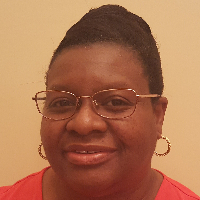
Amargo Crenshaw
LPC
Georgia - 20 yrs exp







How self-love therapy works for Georgia residents
Self-love therapy centers on helping you develop a kinder, more supportive relationship with yourself. In Georgia, therapists blend evidence-informed techniques with thoughtful conversation to address patterns of self-criticism, low self-worth, and difficulty setting boundaries. You and a therapist will explore the stories and experiences that shaped your beliefs about yourself and practice new ways of thinking, feeling, and behaving that support greater self-compassion.
Therapists often use approaches from cognitive-behavioral therapy to identify unhelpful thinking patterns, acceptance-based methods to reduce judgment, and emotion-focused work to increase awareness of how feelings influence decisions. Over time, you learn skills to manage negative self-talk and to replace harsh internal messages with language that reflects your values and strengths. In Georgia's varied communities - from urban Atlanta neighborhoods to coastal Savannah - clinicians aim to tailor these methods to the cultural and everyday realities you face.
Finding specialized help for self-love in Georgia
When you begin your search in Georgia, consider clinicians who explicitly list self-love, self-compassion, or self-esteem work among their specialties. Many therapists will note additional areas of focus that are relevant to self-love work, such as anxiety, relationship patterns, trauma recovery, or life transitions. If you live near a college town like Athens or a military-influenced community, you may find therapists with experience addressing concerns common in those settings. In larger cities such as Atlanta or Augusta there is often a wider range of modalities to choose from, while smaller communities may offer clinicians who emphasize depth of relationship and long-term growth.
It helps to read clinician profiles for mentions of practical approaches you prefer - for example, a therapist who integrates mindfulness practices, guided imagery, or values-based work. Many profiles include information about session length, fees, and whether the therapist offers evening or weekend appointments. If affordability is a concern, look for clinicians who list sliding scale options or who accept particular insurance plans common in Georgia.
What to expect from online therapy for self-love
Online therapy has become a common option for people across Georgia who want convenience or who live outside major metropolitan areas. If you choose online self-love therapy, expect sessions to be conversational and skills-oriented, similar to in-person care. Your therapist will guide you through exercises to notice automatic negative thoughts, practice self-compassion phrases, and build daily habits that reinforce a positive inner narrative. You may receive short practices to try between sessions - brief journaling prompts, gentle movement, or self-soothing techniques that fit into your schedule.
Online sessions can be especially helpful if you live in rural parts of the state or if traffic in Atlanta or other busy cities makes in-person visits difficult. They also allow you to connect with a therapist whose specialization matches your needs even if they are based in a different Georgia city. To make online work well, choose a quiet, comfortable place for sessions and test your internet connection beforehand. If technology or feelings about video visits are a barrier, ask a prospective therapist about phone sessions or blended care models that mix occasional in-person meetings with remote appointments.
Common signs someone in Georgia might benefit from self-love therapy
You might consider self-love therapy if you notice persistent self-criticism that interferes with daily life, or if you find it difficult to accept compliments and acknowledge your achievements. People often seek this work when they notice a pattern of people-pleasing that leaves them exhausted, or when boundary setting feels impossible without guilt. If you experience frequent comparison to others that undermines your confidence, or if stress and life transitions have shaken your sense of worth, therapy can provide tools to rebuild a healthier self-relationship.
Other indicators include chronic perfectionism that prevents you from trying new things, avoidance of opportunities due to fear of failure, and repeated relationship problems that stem from low self-regard. Living through losses, burnout, or cultural pressures can also make it harder to practice self-care, and a therapist can help you identify values-driven ways to reclaim your time and energy. In cities like Savannah and Augusta, community ties and family expectations may shape how self-criticism shows up, and a therapist familiar with local context can be an important ally in the work.
Tips for choosing the right therapist for self-love work in Georgia
Start by clarifying what self-love means to you and what outcomes you hope to see. Do you want to reduce negative self-talk, improve relationships, or learn to set boundaries? Once you have a sense of goals, read therapist profiles for training and language that resonates with your values. Look for clinicians who describe a collaborative approach and who explain how they measure progress. Many therapists offer an initial consultation - use that conversation to gauge whether you feel heard and whether their style matches your preferences.
Consider practical factors such as location, insurance, and appointment times. If you live in Atlanta, you may prioritize commuting time and in-person options, while those in smaller cities may place more emphasis on evening availability or telehealth. Cultural fit matters too - if you want a therapist who understands your cultural background, family dynamics, or religious influences, search for clinicians who note that experience. Trust your instincts; feeling comfortable with your therapist's communication style and pace is often as important as formal credentials.
Questions to ask during a consultation
When you speak with a prospective therapist, ask about their approach to self-love work and what a typical session looks like. You can inquire about homework or between-session practices, and how they help clients develop habits that last beyond therapy. It is reasonable to ask about their experience with specific concerns you have, such as trauma-informed care or relationship dynamics, and to ask how they tailor work for clients living in different parts of Georgia. A helpful therapist will be willing to explain their methods and to discuss how you might know when therapy is meeting your goals.
Finding therapists in major Georgia cities and communities
Georgia's larger cities often provide a wide range of therapeutic styles. In Atlanta you can typically find clinicians trained in many modalities, from mindfulness-based approaches to somatic work that addresses how emotions are stored in the body. Savannah's coastal culture may influence the kinds of community and family concerns people bring, while Augusta offers therapists who are experienced with life transition work and stress management. Communities such as Columbus and Athens bring their own local flavors and resources, and connecting with a therapist who understands regional dynamics can make the work feel more relevant and practical.
No matter where you live in Georgia, you can begin by narrowing listings to those who emphasize self-love and then reach out for an introductory conversation. Many therapists will offer brief phone or video consultations that let you assess rapport without committing to a full session. By approaching the search with clear goals and an openness to trying a few consultations, you increase the chances of finding a therapist who can support meaningful changes in how you relate to yourself.
Next steps
If you are ready to begin, use the listings above to filter by location, modality, and specialties that matter to you. Reach out to a few therapists to ask about their experience with self-love work and to compare approaches. Remember that finding the right match may take time, and that small steps - practicing self-compassion phrases, setting one new boundary, or tracking moments when you treat yourself kindly - are important parts of the journey. With support tailored to your life in Georgia, you can build stronger self-regard that supports healthier relationships, clearer decisions, and a greater sense of personal well-being.