Find a Self Esteem Therapist in Georgia
This page highlights therapists in Georgia who specialize in self esteem work, including in-person and online options. Browse the listings below to compare approaches, locations, and availability in cities such as Atlanta, Savannah, and Augusta.

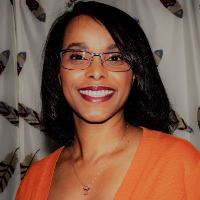







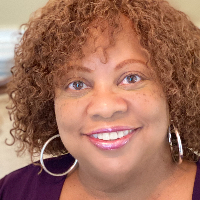

Dr. Anila Malik
LPC
Georgia - 36 yrs exp
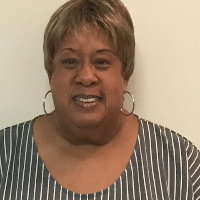
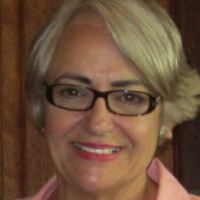
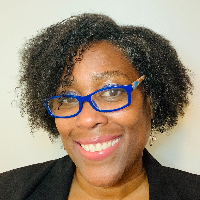


Amargo Crenshaw
LPC
Georgia - 20 yrs exp





How self esteem therapy works for Georgia residents
When you seek therapy focused on self esteem in Georgia, you are choosing a collaborative process that helps you explore how you view yourself and how that view shapes your relationships and daily choices. A therapist trained in self esteem work will help you identify recurring negative thoughts, unhelpful beliefs, and behavioral patterns that undermine your confidence. Over time you practice new ways of thinking and acting so that feelings of worthiness are supported by real-life experiences rather than just wishful thinking. This is often an active, skills-based process; many people find measurable change after a few months of consistent sessions, though the pace depends on your personal history and goals.
Therapeutic approaches commonly used
Several evidence-informed approaches are commonly used for self esteem concerns in Georgia. Cognitive behavioral techniques help you notice and challenge automatic negative thoughts. Compassion-focused methods teach self-kindness and reduce self-criticism. Narrative approaches allow you to reframe life stories that have contributed to low esteem. Some therapists combine these methods with trauma-aware practices when painful past experiences are part of the picture. During initial sessions you and your therapist will discuss which approaches are likely to fit your needs and lifestyle.
Finding specialized help for self esteem in Georgia
Finding the right therapist often begins with narrowing the search to professionals who list self esteem or self-worth as a specialty. In urban centers like Atlanta you may find a larger variety of clinicians with specific training in areas such as performance-related confidence, body image, or assertiveness training. In college towns such as Athens you might locate clinicians who work frequently with young adults navigating identity and self-worth. Smaller cities and suburban areas still offer qualified practitioners, and many combine in-person sessions with virtual care to increase access across the state.
When you review profiles, look for descriptions that mention the populations a therapist works with and the methods they use. If cultural background, religion, sexual orientation, or language are important to you, seek therapists who note competence in those areas. You can also check whether a therapist indicates experience working with issues that often co-occur with low self esteem, such as anxiety, depression, relationship challenges, or life transitions. Asking about experience during an initial consultation helps you determine whether a clinician's expertise aligns with your goals.
What to expect from online therapy for self esteem
Online therapy can be an effective way to work on self esteem, particularly if you have scheduling constraints or live outside a major city. Sessions typically take place via video or sometimes phone, and the structure is much like an in-person appointment: a scheduled start time, ongoing conversation, and homework or skill-building between sessions. Online options may give you access to specialists who are not located near you, so if you live in a rural part of Georgia you can still connect with a clinician experienced in areas like body image or social anxiety.
Before beginning online therapy, ask potential providers about their policies for virtual care, including how they handle emergencies and what kind of technology is required. Confirm that the therapist is licensed to provide care in Georgia and that they have experience delivering therapy via telehealth. Many clients find that the convenience of online sessions improves consistency, which is an important part of building self esteem.
Choosing in-person versus online care
Deciding between in-person and online therapy often comes down to your preferences for interpersonal connection, practical logistics, and the nature of your goals. Some people benefit from the structure of meeting in a clinician's office in Atlanta or Savannah, while others appreciate the comfort of attending sessions from home. You may try a mix of both formats as your needs evolve. Regardless of format, clarity about personal nature of sessions practices, session frequency, and homework expectations helps you get the most from the work.
Common signs you might benefit from self esteem therapy
You may consider seeking help if you notice persistent negative self-talk, frequent feelings of not being good enough, or avoidance of social situations out of fear of judgment. Difficulty accepting compliments, perfectionism that leads to burnout, or a tendency to stay in unhealthy relationships because you undervalue yourself are also common indicators. These patterns can affect work performance, family interactions, and overall enjoyment of life. If you find that self-doubt prevents you from pursuing opportunities or contributes to anxiety or depression, therapy focused on building self esteem can offer practical strategies and emotional support.
Different life stages come with distinct esteem-related challenges. For example, college students in Athens may be negotiating identity and peer pressure, young professionals in Atlanta may wrestle with performance-related self-worth, and older adults in cities like Augusta or Savannah may be adjusting to retirement or caregiving roles. Therapy can be tailored to the specific pressures you face at any age.
Tips for choosing the right therapist for self esteem work in Georgia
Begin by clarifying what you hope to change. When you know whether your priority is reducing self-criticism, improving assertiveness, or addressing body image, you can more effectively evaluate therapist descriptions and introductory conversations. Reach out to several clinicians to get a feel for their style and availability. An initial consultation is a chance to ask about their experience with self esteem issues, typical session length, fee structure, and whether they offer sliding scale options if cost is a concern.
Consider practical factors like location, hours, and whether the therapist offers evening or weekend appointments if you work during the day. If cultural understanding matters to you, inquire about the therapist's experience with your cultural background or identity. In metro areas like Atlanta you may find therapists who specialize in cultural competence and diversity-informed care. If you prefer working with someone who speaks your language, check for bilingual clinicians in the listings.
Trust your instincts during the first few sessions. You should feel respected and heard, even if the work is challenging. If the therapeutic relationship does not feel like a good fit after a few meetings, it is reasonable to try a different clinician. A good match can accelerate progress in building a more resilient sense of self.
Practical next steps for starting therapy in Georgia
Once you identify a few promising therapists, contact them to ask about intake procedures, insurance or out-of-pocket fees, and how they structure self esteem work. If you use insurance, verify whether the clinician accepts your plan and what your out-of-pocket responsibilities will be. Many therapists also offer a brief phone or video consultation at no cost so you can ask preliminary questions and determine whether to schedule a full intake session.
Whether you opt for in-person sessions in Savannah, online work with a specialist across the state, or a hybrid approach, consistent engagement with the process will give you the best chance to see meaningful improvement. Self esteem grows through small, steady experiences that challenge old patterns and reinforce new beliefs about your worth. Choosing a therapist who understands your goals and life context in Georgia is the first step toward making those changes.