Find a Prejudice and Discrimination Therapist in Georgia
This page connects visitors with Georgia therapists who specialize in prejudice and discrimination concerns, including racial trauma, bias-related stress, and workplace discrimination. Browse the listings below to review practitioner profiles, read about approaches, and find options across Georgia cities such as Atlanta, Savannah, and Augusta.






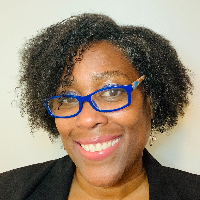

Amargo Crenshaw
LPC
Georgia - 20 yrs exp















How prejudice and discrimination therapy works for Georgia residents
If you are seeking help for experiences related to prejudice or discrimination, therapy is often focused on understanding how those experiences affect your daily life and building strategies to cope and heal. Sessions typically begin with an intake conversation to review your history, current concerns, and goals. From there a therapist will work with you to select approaches that fit your needs - these can include cognitive-behavioral techniques for managing stress, narrative approaches to make sense of identity-based experiences, and trauma-informed methods when past events continue to cause distress. Therapy can be short term for practical coping and problem solving, or longer term when patterns of hurt, grief, or interpersonal strain need more exploration.
In Georgia, therapists who list this specialty often emphasize cultural responsiveness and an awareness of systemic factors that shape individual experience. In both urban centers and smaller communities, practitioners may collaborate with you on advocacy strategies, workplace accommodations, or community resources as part of a broader plan to address the impacts of bias and exclusion. The therapeutic relationship itself is intended to be thoughtful and respectful of your lived experience, helping you build tools that fit your life in Georgia.
Finding specialized help for prejudice and discrimination in Georgia
When looking for a therapist, consider credentials along with experience working with identity-related stress. Licensed professional counselors, clinical social workers, and psychologists often use different titles but share commitments to ethical practice and continuing education. You can look for clinicians who explicitly note experience with racial trauma, LGBTQ+ related discrimination, religious or immigrant-related bias, or workplace harassment. In Atlanta you may find practitioners with a wide range of specialty trainings, while cities like Savannah, Augusta, Columbus, and Athens may offer providers who combine clinical work with community-based support or cultural competency specific to local populations.
Ask potential therapists about their approaches to addressing discrimination-related issues. Useful questions include inquiries about their experience with diversity and inclusion work, the populations they most commonly serve, and how they integrate social and systemic contexts into treatment. Many Georgia therapists are familiar with local resources, such as community centers, legal aid clinics, and support groups, and can help you connect with services that extend beyond therapy sessions.
Licensing and practice considerations
Make sure any clinician you consider is licensed to practice in Georgia and ask about their formal training in relevant areas. Licensing titles and scope of practice vary, so it is reasonable to ask how their background prepares them to address prejudice and discrimination. If you prefer a therapist with experience in a particular modality - for example trauma-focused interventions, somatic approaches, or culturally adapted cognitive-behavioral work - inquire about how that method might be applied to your concerns.
What to expect from online therapy for prejudice and discrimination
Online therapy has expanded access to clinicians throughout Georgia, making it possible to work with a specialist even if they are based in another city. When you pursue remote sessions you can expect many of the same steps as in-person care: an intake conversation, goal setting, and regular appointments. Technology platforms used for sessions typically allow video, audio-only, or messaging options depending on what you prefer and what the clinician offers. Online work can make it easier to fit appointments into busy schedules, particularly if you live outside major centers such as Atlanta or need evening availability.
Effective online therapy depends on practical considerations. You will want to arrange a quiet, distraction-reduced location for sessions and check that your internet connection supports stable video if you choose that format. Discuss boundaries and emergency planning with your therapist so you both understand how to handle urgent situations. Many people find that a clinician who demonstrates cultural competence and clear communication is more important than whether sessions are in-person or online.
Common signs that someone in Georgia might benefit from this specialty
You might consider seeking specialized therapy if experiences of prejudice or discrimination are affecting your mood, relationships, work performance, or sense of safety. Persistent feelings of isolation, heightened vigilance in public settings, recurring thoughts related to incidents of bias, or avoidance of places and people because of past harms can all indicate that focused support may help. You may also notice physical manifestations such as trouble sleeping, chronic tension, or frequent headaches that seem linked to stress from discriminatory encounters. In work or school contexts, you may find your productivity impacted by microaggressions or overt bias, or you may struggle with repeated attempts to cope alone when supports would be helpful.
Seeking help early can give you tools to manage immediate distress and to process longer-standing effects on identity and self-worth. Therapy can be a place to explore how cumulative experiences shape expectations and relationships, and to rehearse communication strategies or self-care practices that reduce ongoing strain.
Tips for choosing the right therapist for this specialty in Georgia
Start by identifying what matters most for your care. You may prioritize a therapist who shares aspects of your identity, a clinician trained in trauma-informed approaches, or someone with experience addressing workplace discrimination or family dynamics. Read profiles to learn about stated areas of expertise and look for language that reflects cultural understanding and humility. Many therapists offer a brief initial consultation - use that opportunity to ask about their experience with issues like racial trauma, anti-bias work, or intersectional stress, and to get a sense of whether you feel comfortable with their communication style.
Consider logistical matters as well. Check whether the therapist offers appointments at times that fit your schedule, whether they provide in-person sessions in cities such as Atlanta, Savannah, or Augusta, and whether they accept your insurance or offer sliding scale options. If you plan to use online therapy, confirm that the provider is licensed to work with clients in Georgia and ask how they manage emergency planning when sessions are remote. Trust your instincts about rapport - a therapist who listens and respects your experience is often the best match for sustained progress.
Local and community considerations
Georgia’s communities vary widely, from the dense neighborhoods of Atlanta to the coastal culture of Savannah and the university environment in Athens. These settings can shape the kinds of discrimination people face and the community resources available. In cities you may find more specialized groups and a broader selection of clinicians, while smaller towns can offer strong community networks and culturally specific supports. A therapist familiar with your region can help you navigate local institutions or connect you with neighborhood-based organizations that offer allied services.
Finally, remember that finding the right fit can take time. You can prioritize clinicians who demonstrate a commitment to learning and collaboration, and you can change providers if the match is not right. Therapy is a personal process and choosing a provider who respects your goals and lived experience is a meaningful step toward managing the effects of prejudice and discrimination in your life.
When you are ready, use the listings above to compare profiles, read about approaches, and request an initial consultation with a Georgia therapist who aligns with your needs and values.