Find a Panic Disorder and Panic Attacks Therapist in Georgia
This page lists therapists across Georgia who focus on panic disorder and panic attacks. Explore clinician profiles and specialties serving Atlanta, Savannah, Augusta and other communities, then browse the listings below to find a good match.






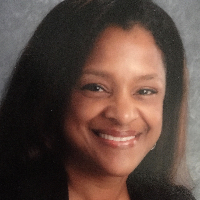
Amargo Crenshaw
LPC
Georgia - 20 yrs exp


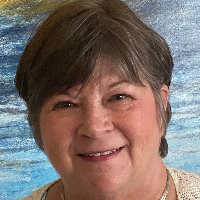
Fred Farrar
LPC
Georgia - 30 yrs exp












How therapy for panic disorder and panic attacks works for Georgia residents
If you are living in Georgia and starting therapy for panic disorder or panic attacks, the process typically begins with an assessment to understand your symptoms and how they affect your daily life. A clinician will ask about the frequency and intensity of your panic attacks, any triggers you have noticed, and how your thinking and behavior respond to the fear of additional attacks. From there a treatment plan is developed that reflects your goals, your schedule, and the therapeutic approaches that are most likely to help. Sessions may include education about the physiological response of panic, techniques to reduce immediate symptoms, and structured practice to change unhelpful patterns.
Finding specialized help for panic disorder and panic attacks in Georgia
When looking for a therapist in Georgia, you can focus on clinicians who list panic disorder, panic attacks, or anxiety disorders among their specialties. Many people begin by searching by location to find in-person care near them, for example in Atlanta, Savannah, or Augusta. You can also filter for providers who note experience with evidence-informed methods such as cognitive behavioral therapy or exposure-based approaches. Licensure matters because it indicates formal training and oversight; clinicians who hold state licenses and relevant post-graduate training in anxiety treatment are a good starting point. You may also want to review clinician bios for experience working with adults, young adults, or whichever population matches your needs.
In-person versus remote options within the state
Georgia residents can find both in-person and remote care. In-person therapy is often preferred for those who want to meet face-to-face or who need a local clinician for occasional joint work with other providers. Remote therapy can expand your options if you live outside a major city, have limited transportation, or prefer the convenience of meeting from home. If you plan to use remote care, confirm that the therapist offers telehealth appointments to Georgia residents and make sure your technology is set up for video sessions. Either format should include a clear plan for handling high-distress moments and steps you can take between sessions to manage symptoms.
What to expect from online therapy for panic disorder and panic attacks
If you choose online therapy, you can expect many of the same core elements as in-person care, adapted for video sessions. Initial assessments may be slightly longer as the clinician gathers a comprehensive history and may use questionnaires to track symptoms over time. You will learn skills to use during a panic attack such as grounding techniques, breathing strategies, and ways to shift attention away from catastrophic thinking. Many therapists assign practice exercises to do between sessions so you can gradually test out new responses to anxiety and learn that panic symptoms can decrease with time and practice. personal nature of sessions, documentation, and session boundaries should be discussed at the start so you know what to expect about record keeping, appointment times, and cancellation policies. You should also clarify how to reach the therapist in an urgent situation and what local emergency resources are appropriate in Georgia.
Technology and comfort with video sessions
Online therapy requires a reliable internet connection and a private place to talk. You do not need specialized hardware; a smartphone, tablet, or computer with a camera and microphone is usually sufficient. Some people find video sessions more comfortable because they can remain in their own home, while others prefer the structure of an office visit. If you plan to continue in-person work eventually, discuss a transition plan with your therapist to make that change smooth. Many therapists who live or work in Atlanta or other cities also offer hybrid schedules that combine in-person and virtual appointments.
Common signs that you might benefit from panic disorder and panic attacks therapy
You may benefit from seeking help if panic attacks occur unexpectedly or repeatedly, or if worry about future attacks changes how you live. Panic symptoms often involve intense physical sensations such as heart palpitations, shortness of breath, trembling, or dizziness. If you find yourself avoiding places or situations because you fear an attack, or if panic interferes with work, school, relationships, or daily tasks, therapy can offer tools to reduce those limitations. Even if panic symptoms are infrequent but produce persistent worry, learning practical strategies can reduce the impact on your life. Therapy can also be helpful if you notice that attempts to self-manage are no longer effective or if panic symptoms co-occur with other concerns such as sleep disruption or persistent stress.
Tips for choosing the right therapist for this specialty in Georgia
Start by looking for clinicians who explicitly list panic disorder or panic attacks as areas of expertise. Review clinician profiles to see how they describe their approach and whether they use evidence-informed methods such as cognitive behavioral therapy or exposure-based work. Consider practical factors like location, availability, session format, and fee structures. If you live near a metro area like Atlanta or in coastal Savannah or central Augusta, you will likely find more local options, but online availability can make it possible to work with therapists who have specific expertise even if they are not nearby. You should feel comfortable asking prospective therapists about their experience treating panic, how they measure progress, what a typical session looks like, and how long treatment might take. Many therapists offer an initial consultation so you can see if the working relationship feels like a good fit before committing to ongoing sessions.
Insurance, affordability, and scheduling
Check whether a therapist accepts your insurance or offers a sliding scale if cost is a concern. Be prepared to ask about session length, cancellation policies, and whether the therapist provides documentation if you need it for work or school. If scheduling is a barrier, inquire about evening or weekend appointments or about short-term intensive options that allow more frequent meetings over a condensed period. In urban centers like Atlanta and in university towns, you may find clinicians who offer group-based programs or workshops that supplement individual therapy.
Practical next steps for Georgia residents
If you are ready to begin, use the directory listings on this page to filter for location, approach, and availability. Read clinician bios to find those who describe relevant experience with panic disorder and panic attacks. Reach out to request a consultation or first appointment and prepare a short summary of your symptoms and goals so the clinician can tailor the first session. Remember that it's reasonable to try a few clinicians before you find the right match. Therapy effectiveness often depends on the quality of the relationship, so give yourself permission to find someone who listens to your concerns and collaborates with you on the best path forward.
Whether you live in a large metro area or a smaller community in Georgia, there are qualified clinicians who focus on panic disorder and panic attacks. Taking the first step to connect with a therapist can help you learn skills to manage symptoms, regain confidence, and rebuild activities that panic may have interrupted.