Find an Older (45+) Therapist in Georgia
This page highlights clinicians across Georgia who focus on the needs of adults aged 45 and older. You will find profiles that describe each therapist's background, approaches, and areas of focus. Browse the listings below to compare options and connect with a clinician who fits your needs.




Dr. Anila Malik
LPC
Georgia - 36 yrs exp
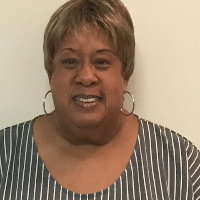



Amargo Crenshaw
LPC
Georgia - 20 yrs exp














How older (45+) therapy works for Georgia residents
Therapy for adults 45 and older centers on life-stage concerns that often differ from those experienced earlier in life. Many people seek help for issues tied to career transitions, caregiving responsibilities, retirement planning, loss and grief, health changes, or shifts in relationships. In Georgia, you can access this specialty through a mix of in-person practices in cities and towns, community mental health centers, university-affiliated clinics, and growing online options that reach more rural areas. Sessions are typically scheduled weekly or biweekly at first and may shift in frequency as you achieve goals or navigate transitions. Therapists trained to work with midlife and later-adulthood clients often blend practical problem-solving with emotional processing, and they tailor their methods to address the social, physical, and environmental factors common at this stage of life.
Finding specialized help for older (45+) in Georgia
When you begin searching for a clinician in Georgia, think about the specific issues you want to address. Some therapists advertise specialties such as caregiving stress, bereavement, chronic illness adjustment, or relationship changes after retirement. Urban areas like Atlanta and Athens offer a wide variety of clinicians and clinic types, while places such as Savannah and Augusta tend to have experienced practitioners who also serve nearby smaller towns. If you live in a rural county, online therapy can expand your options, connecting you with clinicians who practice age-focused therapy statewide. You can also look for therapists who have additional training in gerontology, trauma-informed care, or family systems work if those approaches match your needs. Consider language preferences and cultural competency as well - Georgia is diverse, and finding a clinician familiar with your community or background can improve rapport and relevance.
What to expect from online therapy for older (45+)
Online therapy has become a practical choice for many adults 45 and older, offering convenience when travel is difficult or schedules are busy. Sessions typically occur over video calls, though some clinicians offer phone sessions or chat-based support as well. You should expect an initial intake that covers your history, current concerns, and goals for therapy, followed by regular sessions focused on those goals. Online care can be particularly helpful if you live far from major centers like Atlanta, Savannah, or Augusta, since it allows you to maintain continuity with one clinician even if you move or travel. To make the most of remote sessions, choose a quiet, uninterrupted area in your home where you feel comfortable speaking candidly. Test your device and connection in advance so technology disruptions do not take attention away from the work. If mobility, transportation, or energy are issues for you, online sessions can reduce barriers to consistent care. At the same time, some therapeutic techniques and assessments are more effective in person, and your therapist will advise if occasional face-to-face visits would be beneficial.
Common signs that someone in Georgia might benefit from older (45+) therapy
You may consider reaching out for support if you notice persistent changes that affect daily life. This can include prolonged sadness or hopelessness that does not lift after weeks, increased anxiety that interferes with routines, sleep disruptions that do not resolve, or changes in appetite and energy. You might find yourself withdrawing from social activities you once enjoyed, or experiencing difficulty handling the demands of caregiving for aging parents or a partner. People often seek therapy when they face multiple life transitions at once - for example, retirement combined with the loss of a loved one or a new chronic health condition. Others pursue therapy to manage anger, to reduce reliance on alcohol or other substances as a coping strategy, or to improve communication within relationships. If work or financial stress is impacting your mood or your ability to concentrate, or if you feel overwhelmed by decisions about housing, medical care, or long-term planning, a therapist who works with older adults can help you clarify priorities and develop steps you can actually use day to day.
Tips for choosing the right therapist for this specialty in Georgia
Begin by reflecting on what matters most to you in a therapeutic relationship. Some people prioritize a clinician with many years of experience working with midlife and older adults, while others value a particular therapeutic method such as cognitive behavioral techniques, acceptance-based approaches, or strengths-focused counseling. Search profiles for mentions of life-stage work, grief, caregiving, or health-related transitions, and pay attention to language about collaboration and practical goal-setting. When you contact a therapist, prepare a few questions: ask about their experience with clients in your age group, how they approach issues like retirement or caregiving stress, and what a typical session looks like. Discuss scheduling flexibility if you have medical appointments or caregiving duties, and ask whether they offer shorter sessions when needed. Clarify payment details and whether they accept your insurance or offer sliding scale fees - you may also want to inquire about records and documentation if you need notes for legal or work-related reasons.
Consider location and logistics
Living in or near larger cities such as Atlanta, Savannah, or Augusta gives you access to a broader range of specialties and treatment settings, including group therapy options and multi-disciplinary clinics. If you are outside a metropolitan area, online therapy opens the door to clinicians across the state and beyond. Think about commute times in places with heavy traffic, and whether evening or weekend appointments are important for your schedule. If transportation is a challenge, ask potential therapists about telehealth options or whether they hold daytime clinics close to public transit.
Assess fit and rapport
Good therapeutic outcomes are often tied to how comfortable you feel with your clinician. Use an initial consultation to gauge whether their style matches your needs - do they listen, validate your concerns, and work collaboratively to set achievable goals? It is appropriate to try more than one therapist until you find someone whose approach resonates. Many clinicians are open to brief trial periods and will discuss progress checks after a few sessions so you can decide whether to continue.
Working with family, caregivers, and community supports
If you are helping an older family member or are yourself a caregiver, therapy can provide strategies to reduce burnout, manage difficult conversations, and balance competing responsibilities. Therapists who work with older adults often help families navigate conversations about caregiving plans, medical decisions, and housing changes. In Georgia, community resources vary by county, so a clinician can help you map local services such as support groups, adult day programs, or educational resources available through area agencies. Integrating community supports with therapeutic work can make changes more sustainable and reduce isolation for both the person receiving care and the caregiver.
Taking the next step
Finding the right therapist for older-adult concerns is a process that benefits from reflection and practical steps. Begin by identifying the issues that matter most, review clinician profiles for relevant experience, and schedule initial conversations to assess fit and logistics. Whether you are in a metro area like Atlanta or in a smaller Georgia community, you can access therapists who understand the complexities of midlife and later-life transitions. Use the listings on this page to compare clinicians, read about their approaches, and connect with someone who can help you move forward with clearer plans and more manageable steps.
When you are ready, reach out to a few therapists to ask questions, confirm appointment availability, and learn about their approach to working with older adults. Small practical choices - such as scheduling a consistent appointment time or setting up a quiet spot for online sessions - can make therapy more effective. The work you do in therapy can be practical and results-oriented, helping you navigate the changes and opportunities that come with this life stage in Georgia.