Find an OCD Therapist in Georgia
This page lists therapists in Georgia who specialize in obsessive-compulsive disorder (OCD). Use the filters below to find clinicians near Atlanta, Savannah, Augusta and other communities and browse profiles to find a good fit.

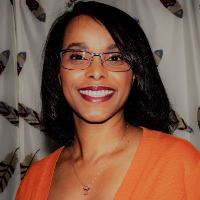



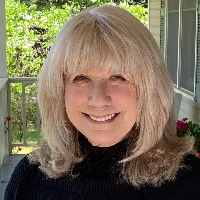
Dr. Anila Malik
LPC
Georgia - 36 yrs exp















How OCD therapy typically works for Georgia residents
If you are considering therapy for obsessive-compulsive symptoms in Georgia, it helps to know the general steps a therapist is likely to take. An initial appointment will usually focus on understanding what you are experiencing - the thoughts, urges or behaviors that cause distress, and how they interfere with daily life. From there, a clinician trained in evidence-based approaches will collaborate with you to develop a treatment plan that fits your needs, goals and schedule. Many therapists in the state use structured methods that emphasize gradual exposure to feared situations or thoughts and learning new responses to compulsive urges.
Treatment is often organized into regular sessions, commonly weekly at the start, with progress reviewed frequently. You can expect your therapist to assign practice activities to do between sessions - sometimes called homework - because applying new skills in everyday situations is a core part of improvement. Over time you and your therapist will evaluate what is working and adjust the plan so that therapy aligns with real-world demands like work, school or family responsibilities.
Finding specialized help for OCD in Georgia
When you search for OCD care in Georgia, you will find clinicians with different levels of experience and training in specific methods. Look for therapists who mention training in cognitive-behavioral therapy and exposure with response prevention, as these approaches are widely recommended for obsessive-compulsive symptoms. You may also encounter providers who combine these techniques with other supportive therapies to address anxiety, depression or relationship issues that often accompany OCD.
Location matters because access to specialists can vary between cities and rural areas. If you live near Atlanta you may have a broader selection of clinicians with concentrated expertise. In coastal areas like Savannah and university towns such as Athens, you can sometimes find clinicians who work with younger adults or students. In smaller communities including Augusta and Columbus, options can be more limited but telehealth has broadened access in recent years. When local options are sparse, consider therapists who offer remote sessions or who travel between regional offices.
Licensure and professional standards
Therapists in Georgia hold different licenses such as licensed professional counselors, psychologists or clinical social workers. Each license has a distinct scope of practice and training pathway. When you view a therapist listing, review their credentials and any mention of additional training in OCD-specific methods. Licensing ensures that a clinician has met state requirements to practice, and many therapists list continuing education or certifications that relate to obsessive-compulsive disorder care.
What to expect from online therapy for OCD
Online therapy can be a practical option for many people across Georgia, particularly if transportation, scheduling or geographic distance are barriers. In a remote session you will work with a therapist similarly to an in-person appointment - discussing challenges, practicing cognitive techniques and planning exposures. Some elements of exposure with response prevention adapt well to telehealth, as you and your therapist can design in-place exercises that reflect your real environment and routines.
Expect your therapist to guide you through exposures with attention to safety and gradual progression. They will help you structure practice between sessions and may use screen-sharing or digital worksheets to support learning. If a clinician needs to coordinate with other professionals - such as a psychiatrist for medication consultation - they should explain how that collaboration will be managed. Online therapy also allows you to connect with specialists who are not based in your immediate area, which can be especially helpful if you live outside major cities like Atlanta, Savannah or Augusta.
Common signs that you or a loved one might benefit from OCD therapy
It is common to wonder whether what you are experiencing is typical stress or something that would benefit from focused therapy. You might consider seeking a specialist if repetitive thoughts or repetitive behaviors take up significant time, cause distress, or get in the way of responsibilities and relationships. Many people with obsessive-compulsive symptoms spend hours each day trying to neutralize intrusive thoughts, checking things repeatedly or performing rituals to reduce anxiety. Even if the behavior or thought pattern seems manageable, therapy can teach more effective long-term strategies and reduce the amount of time spent coping.
Another sign that therapy could help is when avoidance patterns limit your life. For example, avoiding certain places, tasks or people out of fear of triggering intrusive thoughts can gradually narrow what you feel able to do. Family members and partners can also be affected when they take on reassurance roles or participate in rituals. If those dynamics have developed, a therapist can help you and your loved ones change interactions in ways that support recovery.
Practical tips for choosing the right OCD therapist in Georgia
Choosing a therapist involves both practical considerations and personal fit. Start by looking for clinicians who explicitly mention OCD, exposure-based treatment or cognitive-behavioral therapy in their profiles. Read descriptions of their approach and note whether they discuss collaborative goal-setting and between-session practice. You can also check whether a therapist has experience working with people at your life stage or with similar concerns, whether that is student life in Athens, professional pressures in Atlanta, or family responsibilities in more suburban or rural parts of the state.
Accessibility factors are important. Consider whether a therapist accepts your insurance or offers a sliding-scale fee if cost is a concern. Ask about session length and availability during evenings or weekends if you have a busy schedule. When you contact a provider for an initial consultation, pay attention to how they explain their approach and whether they answer your questions in a way that makes you feel understood. Good rapport matters; if you do not feel comfortable after a few sessions, it is reasonable to look for someone whose style fits you better.
Coordination and support
If you are already seeing a medical provider or taking medication, look for a therapist who is willing to coordinate care with your prescriber when needed. This collaboration can help ensure that medication and therapy work together toward your goals. Family involvement can also be helpful, and some clinicians offer sessions that include family members to improve communication and reduce patterns that maintain compulsive behaviors.
Keep in mind that progress often occurs in small steps. Your therapist should set realistic expectations and help you monitor improvements over weeks and months. Therapy outcomes vary by person, but many find that learning to tolerate uncertainty and reducing time spent on rituals leads to meaningful changes in daily life.
Next steps
When you are ready to begin, use the listings on this page to compare therapists by location, approach and availability. Whether you prefer in-person care in Atlanta, Savannah or Augusta, or remote sessions that fit your schedule, you can reach out to clinicians for introductory conversations. A short call or message can clarify whether a therapist’s experience aligns with your needs and help you book a first appointment. Taking that initial step can make it easier to find a treatment path that helps you manage symptoms and get back to the activities that matter most to you.