Find a Multicultural Concerns Therapist in Georgia
On this page you will find Multicultural Concerns therapists serving Georgia, knowledgeable about cultural identity, acculturation, and race-related stress. Browse the listings below to compare clinician biographies, specialties, and appointment options to find a good match.






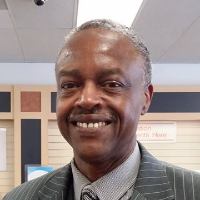
Dr. Anila Malik
LPC
Georgia - 36 yrs exp

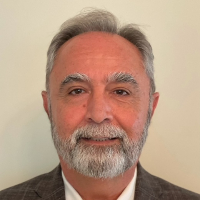
Amargo Crenshaw
LPC
Georgia - 20 yrs exp






How multicultural concerns therapy works for Georgia residents
Multicultural concerns therapy focuses on the ways culture, heritage, language, and social identities shape your experience and well-being. In Georgia, this work often blends traditional talk therapy with attention to cultural context, community ties, and the social stressors that affect people from diverse backgrounds. A therapist trained in multicultural approaches will aim to understand your lived experience - including immigration history, racial identity, religious or spiritual traditions, family expectations, and language preferences - and incorporate that understanding into treatment goals and strategies.
Therapists use a range of therapeutic methods while centering cultural humility, which means they view you as the expert on your own culture and life. Sessions may explore identity conflicts, experiences of discrimination or microaggressions, intergenerational differences, or the emotional impact of migration and acculturation. In Georgia, practitioners also take into account regional realities - for example, how living in a major metro like Atlanta or a smaller town outside Savannah shapes access to resources and community supports.
Finding specialized help for multicultural concerns in Georgia
When you begin searching for a therapist, think about the cultural aspects of your situation that matter most to you. You may prioritize shared language, a therapist's experience with specific communities, or training in culturally responsive practices. In larger cities such as Atlanta or Augusta you may find clinicians who specialize in work with recent immigrants, refugee populations, or specific ethnic groups. Coastal communities near Savannah may offer providers familiar with multiracial and maritime cultural contexts, while college towns and regional centers often have clinicians experienced with youth navigating bicultural identities.
Using a directory, you can read provider profiles to learn about their backgrounds, therapeutic approaches, and areas of focus. Look for mentions of multicultural training, experience with racial trauma, or experience serving your specific community. If you are unsure what to ask, a simple introductory message can help you confirm whether a therapist has relevant experience and whether their availability and fees align with your needs. You may also inquire about language options, whether family members can participate in sessions, and whether a clinician is familiar with community resources across Georgia.
What to expect from online therapy for multicultural concerns
Online therapy expands access to clinicians across the state, which can be particularly helpful if you live outside major urban centers or prefer a therapist with a specialized cultural background. Through video or phone sessions you can connect with a provider based in Atlanta while you are in another region of Georgia, allowing for a match that prioritizes cultural fit over geography. Teletherapy also makes it easier to schedule appointments around work, school, and family commitments.
Expect your online sessions to follow a similar flow to in-person work, with time spent building rapport, identifying goals, and addressing culturally specific concerns. A clinician will likely ask questions about your cultural history, family dynamics, and how cultural factors shape stress and coping. You should discuss technical needs, session format, and emergency plans before beginning, and confirm whether your chosen therapist accepts your payment method or insurance. If you prefer in-person meetings, many therapists offer hybrid care with occasional office visits in Atlanta, Savannah, or other regional offices.
Common signs you might benefit from multicultural concerns therapy
You might consider seeking multicultural-focused therapy if you often feel misunderstood or isolated due to cultural differences, if you struggle with identity questions, or if experiences of discrimination are affecting your daily life. You may notice ongoing conflict with family members over values, pressure to assimilate, or tension between cultural traditions and your personal choices. Young people navigating school and social worlds can experience stress as they reconcile multiple cultural expectations, while older adults may carry the emotional impact of migration or loss of community.
Other signs include difficulty coping with microaggressions at work or in public spaces, persistent worry about how others perceive your identity, or feeling disconnected from both the culture you grew up with and the culture you live in now. If you are an immigrant, you may face acculturation stress, language barriers, or grief tied to leaving a home country. People from multicultural families often seek help when intergenerational misunderstandings begin to harm relationships. Therapy can provide tools to process these experiences and to strengthen communication and resilience.
Tips for choosing the right therapist for multicultural concerns in Georgia
Begin by clarifying what matters most to you. If shared background or language is important, prioritize profiles that mention those attributes. If you want a therapist with formal training, look for clinicians who note coursework or supervision in multicultural competence, anti-racism work, or trauma-informed care. Consider practical factors such as location, session format, fees, and whether the therapist works with families, couples, or individuals.
When you contact a potential therapist, ask about their experience with issues similar to yours and how they approach cultural topics in therapy. You might inquire how they integrate cultural practices or community supports into treatment, and whether they involve family members when that aligns with your goals. Trust your sense of fit - if you feel heard and respected in an initial conversation, that is a strong indicator of potential rapport. If the match does not feel right, it is valid to try another clinician until you find someone who understands and supports your cultural context.
Practical considerations across Georgia
If you live in or near Atlanta, you will likely find a wide range of specialists and community organizations focused on diverse cultural groups. In Savannah and Augusta, look for therapists familiar with local histories and regional cultures that shape identity. If you are outside these urban centers, online therapy is a useful option to access clinicians with relevant expertise. Consider local community centers, faith-based organizations, or university counseling services as additional resources that can complement individual therapy.
Working with your therapist
Once you begin, expect the first few sessions to involve storytelling - sharing your background, values, and what brought you to therapy. You and your therapist will set goals together, which might include improving family communication, coping with discrimination, or exploring identity development. A culturally attuned clinician can help you connect therapeutic work to cultural practices that support healing, such as community rituals, language preservation, or intergenerational narrative work.
Therapy is a collaborative process. You should feel able to raise concerns about cultural misunderstandings, request adjustments, and give feedback about what helps. Over time, you can build strategies for resilience, navigate cultural transitions with greater clarity, and strengthen relationships that are important to you. If you need support locating resources in Atlanta, Savannah, Augusta, or elsewhere in Georgia, ask your therapist for referrals to community groups, legal aid, or culturally relevant support services.
Taking the next step
Searching for the right multicultural concerns therapist is a personal process that benefits from reflection and patience. Use profiles to narrow options, reach out to ask questions, and trust your sense of fit when you meet a potential provider. Whether you are in a busy city or a smaller Georgia community, finding a clinician who respects and understands your cultural world can be a meaningful step toward feeling more grounded and connected.