Find a Mood Disorders Therapist in Georgia
This page connects you with therapists in Georgia who focus on mood disorders, including clinicians working in Atlanta, Savannah and Augusta. Browse the listings below to compare specialties, therapeutic approaches and availability.







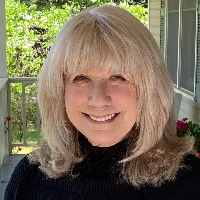
Amargo Crenshaw
LPC
Georgia - 20 yrs exp
















How mood disorders therapy works for Georgia residents
When you begin looking for support for mood concerns in Georgia, therapy typically follows a straightforward path. Your provider will start by listening to your story, asking about symptoms, daily functioning and any past treatment experiences. From there a plan is developed that may include talk-based interventions, skills training and coordination with other health professionals if needed. Sessions are usually scheduled weekly or every other week during an initial phase, then gradually adjusted as progress is made. Many therapists practicing in Atlanta, Savannah and Augusta offer a range of evidence-informed approaches that aim to help you manage mood shifts, build coping strategies and improve day-to-day functioning.
Assessment and personalized planning
The first few sessions commonly involve assessment and establishing goals. Your therapist will want to understand patterns in your mood, triggers, sleep and activity levels, as well as social and occupational impacts. Based on that assessment you and your clinician will set priorities and choose methods that fit your needs. That plan may focus on reducing symptoms that interfere with work or relationships, increasing mood stability, or developing new routines that support emotional balance. Throughout Georgia, therapists tailor plans to the realities of your life - such as work schedules, family responsibilities and transportation considerations - so therapy fits your everyday world.
Finding specialized help for mood disorders in Georgia
Finding a clinician who specializes in mood disorders means looking for training, experience and a therapeutic style that suits you. Some therapists emphasize cognitive-behavioral techniques aimed at changing unhelpful thought patterns, while others work with interpersonal dynamics or behavioral activation to rebuild routines and motivation. In larger metro areas like Atlanta you will often find clinicians with advanced training in mood-specific modalities and experience with a variety of age groups. In smaller communities, therapists may offer broader experience and strong ties to local resources. You can use the directory to filter by specialties, read provider descriptions and get a sense of the populations they serve so you connect with someone who has relevant experience.
When to seek a specialist
You may want a specialist if your mood concerns are persistent, have significantly disrupted your life, or have not improved with general counseling. Specialists are also helpful when mood changes are complex - for example when you notice long cycles of elevated and depressed mood, when symptoms appear to be tied to medical conditions, or when you need a coordinated plan with a prescriber or primary care provider. In Georgia, especially in urban centers like Savannah and Augusta, you can often find clinicians who work closely with psychiatrists and primary care clinics to provide integrated care.
What to expect from online therapy for mood disorders
Online therapy has become a practical option for many people across Georgia, offering greater scheduling flexibility and access to clinicians outside your immediate area. When you choose remote sessions you can expect a format similar to in-person work - assessment, collaborative goal-setting and structured interventions delivered via video or phone. Online therapy can be particularly useful if transportation is limited or if you live in a rural area where local options are scarce. It also makes it possible to work with therapists in Atlanta or other cities without commuting. You should discuss technology needs, session length and any preferences about video versus audio at the first appointment so expectations are clear from the start.
Privacy and technological practicalities
Before starting online sessions, ask about the platform your therapist uses and how records and communications are handled. You will also want to find a quiet, comfortable environment for sessions and consider how to manage interruptions. If you have concerns about emergencies or crisis situations, discuss plans with your therapist for what to do locally in Georgia, including nearby emergency services or urgent care options in your city. A clear plan helps you feel more confident about beginning remote care.
Common signs that someone in Georgia might benefit from mood disorders therapy
There are many reasons people seek help for mood concerns. You might notice persistent low mood or sadness that does not lift after weeks, or recurrent periods of elevated energy and decreased need for sleep. Changes in appetite or sleep, difficulty concentrating, loss of interest in activities you once enjoyed, or strained relationships can all signal the need for assessment. If mood shifts are affecting your ability to work, study or take care of daily responsibilities, therapy can provide strategies to regain balance. In regions of Georgia where seasonal changes affect routines or where life stressors are intense, timely support can help you rebuild coping skills and reestablish structure.
When mood concerns intersect with life events
Transitions such as relocation, job change, caregiving responsibilities or losses can amplify mood symptoms. Living in a fast-paced area like Atlanta or coping with social isolation in a smaller town may influence how symptoms present. Therapy offers a place to explore how life context contributes to mood and to develop practical strategies that respond to your personal circumstances. You do not need to wait for a crisis - early help can reduce the impact of symptoms on relationships and daily functioning.
Tips for choosing the right therapist for mood disorders in Georgia
Selecting a therapist is both practical and personal. Start by considering logistics - whether you prefer in-person or online sessions, what appointment times you need, and whether your insurance or payment options match what a therapist offers. Then focus on fit - read provider profiles carefully to understand their approaches, populations served and experience with mood disorders. Many therapists indicate familiarity with specific therapies that target mood challenges. When you contact a prospective therapist, ask about their experience with issues similar to yours, how they measure progress, and what a typical course of treatment looks like. A short introductory call can give you a sense of whether their style and communication feel comfortable.
Trusting your judgement
Trust how you feel after a first session. It is normal to need a few meetings to determine whether the approach is helpful and the rapport is right. If you do not feel understood or if the treatment does not seem to align with your goals, it is reasonable to seek a different clinician. You may find that therapists in Atlanta or other cities nearby offer specializations that better match your needs, or that a local provider offers a therapeutic style that resonates more with you. The directory is designed to help you compare options so you can make an informed choice about who to see.
Moving forward with care in Georgia
Reaching out to a therapist is a constructive step toward managing mood concerns and improving day-to-day life. Whether you choose in-person care in a city like Atlanta, a clinician in Savannah or Augusta, or the convenience of online sessions, the most important factor is finding a clinician you trust and who understands your goals. Take time to review provider profiles, ask questions about approach and logistics, and choose a path that fits your schedule and preferences. With the right match you can begin to build skills, gain perspective and make steady progress toward greater emotional balance.