Find an Isolation / Loneliness Therapist in Georgia
This page connects you with therapists who focus on isolation and loneliness in Georgia, with options for telehealth and in-person care. Browse the listings below to compare specialties, approaches, and locations before contacting a provider.






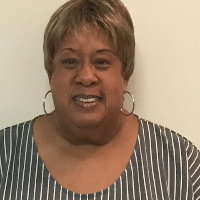



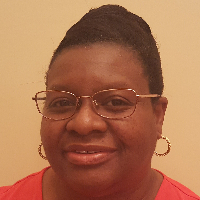
Amargo Crenshaw
LPC
Georgia - 20 yrs exp


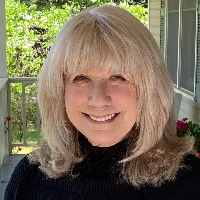
Fred Farrar
LPC
Georgia - 30 yrs exp







How isolation and loneliness therapy works for Georgia residents
If you are feeling cut off from others or increasingly alone, therapy offers a space to explore those experiences and build practical skills for connection. A therapist who specializes in isolation and loneliness will begin by understanding how these feelings show up in your life - whether they stem from life transitions, work demands, moving to a new area, grief, medical limitations, or patterns of social avoidance. The clinician will typically assess your current supports, daily routines, and any mental health concerns that interact with loneliness, then work with you to set goals that feel realistic and meaningful.
Treatment often combines skill-building and relational work. You may practice communication skills, learn ways to expand social opportunities, and examine thoughts that make reaching out harder. Therapists also help you identify small, manageable steps to reconnect with others, and they support you in trying new approaches. In cities like Atlanta and Savannah, there can be many community groups, meetups, and volunteer opportunities to try. If you live in a more rural part of Georgia, therapy can help you explore online communities, local groups, or transportation and scheduling strategies to increase contact with others.
Finding specialized help for isolation and loneliness in Georgia
When searching for a therapist who focuses on loneliness, look for clinicians who list social connection, interpersonal relationships, or life transitions among their specialties. You can refine your search by noting whether a therapist has experience with your particular situation - for example, supporting older adults who face shrinking social networks, helping college students adjusting to campus life in Athens, or working with people who have recently relocated to Columbus. Many therapists who work with loneliness also have training in cognitive-behavioral approaches, interpersonal therapy, or group facilitation, all of which can be helpful for addressing patterns of withdrawal and building social confidence.
Licensing and local knowledge matter in Georgia. Confirm that the provider is licensed to practice in the state and ask about their experience with Georgia-specific resources and services. Some therapists maintain strong community connections in places such as Augusta and can refer you to local programs that encourage social engagement. If language, culture, or identity are central to your experience of loneliness, seek a clinician who demonstrates cultural awareness and relevant experience.
What to expect from online therapy for isolation and loneliness
Online therapy can be especially practical in a state with both large urban centers and widespread rural areas. If you choose telehealth, your first session will usually be an intake or assessment session where you discuss goals, current challenges, and preferences for communication. You should ask how the therapist structures sessions, what kinds of homework or practice they recommend, and whether they offer occasional phone check-ins or group sessions that can increase social contact.
Technical and practical considerations
Video sessions typically use encrypted connections and require a private place where you can talk openly. If you live in a busy household, consider scheduling sessions when interruptions are less likely, or use a parked car or a quiet private room at a library if that is an option. Many therapists in Georgia offer a mix of remote and in-person sessions to accommodate varying needs, so you can choose what works best for your comfort and logistics. Remember to ask about fees, sliding scale options, and whether the therapist accepts your insurance if cost is a factor.
Common signs that someone in Georgia might benefit from isolation and loneliness therapy
You might consider therapy if you find that feelings of loneliness are persistent or interfere with work, relationships, or daily routines. Signs include a sense of disconnection even when around people, avoidance of social invitations due to anxiety or low confidence, difficulty trusting others, or a shrinking network after a life change such as a move, loss, or major health event. You may notice changes in sleep, appetite, motivation, or mood that seem linked to isolation. If you are a student in Athens or a professional in Atlanta who struggles to form meaningful connections, therapy can offer targeted strategies to rebuild social ties.
Loneliness is not a personal failing. It is a common human experience that can be influenced by social environment, life stage, and personal habits. Therapy helps you understand the factors that sustain isolation and supports you in experimenting with new ways of connecting that fit your values and lifestyle.
Tips for choosing the right therapist for this specialty in Georgia
Start by identifying what matters most to you - whether it is a clinician with experience in group therapy, someone who understands aging and community resources, or a therapist who works with young adults and campus life. When you contact a therapist, ask about their approach to loneliness, whether they offer group options that promote connection, and how they measure progress. You should feel comfortable discussing your history and expectations; compatibility is an important part of therapeutic success.
Consider practical factors such as location, availability, and whether you prefer morning or evening sessions. If you live in an area with fewer in-person options, telehealth may broaden your choices and let you work with specialists based in larger cities. For those in Atlanta, in-person groups and community programs are often available; in Savannah and Augusta you may find community centers and nonprofit programs that pair well with clinical work. If community involvement is a goal, ask prospective therapists what local resources they recommend and whether they can help you take initial steps to join activities.
Questions to ask during a first call
When you reach out, ask how the therapist defines success for loneliness work, what methods they use to support social skill building, and how they handle crises or urgent needs between sessions. Inquire about session length, frequency, cancellation policies, and billing. If you are interested in group therapy, ask about the group format, size, and expectations. A thoughtful response will give you a sense of whether the therapist’s style and practical arrangements fit your needs.
Next steps and hopeful perspective
Taking the first step of reaching out to a therapist can open new possibilities for connection and well-being. You do not have to have everything figured out before you contact someone - a simple phone call or message can start a conversation about what you want to change. Over time, many people build more satisfying social routines, learn to manage the thoughts and fears that hinder reaching out, and discover activities and relationships that feel meaningful. Whether you are seeking online support from across Georgia or want in-person work in a city like Atlanta, Savannah, or Augusta, finding a clinician who understands loneliness and the local resources available can help you move toward greater connection and balance.