Find a Forgiveness Therapist in Georgia
This page connects you with therapists in Georgia who focus on forgiveness-focused therapy, including providers offering online and in-person sessions. Browse the listings below to compare approaches, specialties, and availability in your area.









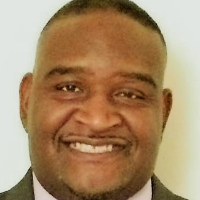
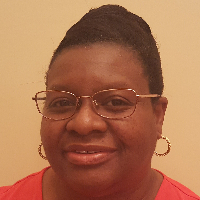
Amargo Crenshaw
LPC
Georgia - 20 yrs exp






How forgiveness therapy works for Georgia residents
Forgiveness therapy is a form of counseling that helps you process hurt, anger, and loss so you can make intentional choices about relationships and healing. Whether your situation involves family conflict, betrayal, long-term resentment, or self-forgiveness after choices you regret, a therapist trained in forgiveness work helps you examine the emotions and patterns that keep pain active. The process is not about minimizing what happened or pressuring reconciliation. Instead, it focuses on helping you reduce the emotional hold of past hurts so you can move forward with clearer boundaries and greater personal agency.
In Georgia, therapists draw from several evidence-informed models to support forgiveness work. You may encounter approaches that emphasize emotional processing, narrative reauthoring, cognitive restructuring, or mindfulness. Some therapists integrate trauma-sensitive techniques when past harms are severe, while others emphasize relational repair when both parties are willing to engage. The common thread is a structured, compassionate process that helps you explore meaning, release reactive cycles, and identify practical steps for changing future interactions.
Approaches and techniques you might experience
Therapists often begin by helping you clarify goals - whether you want relief from rumination, a way to set boundaries, or a path to reconciling with someone. Sessions may include guided reflection, role-play to practice new responses, journaling assignments to process emotions, and skills training for communication and anger management. Mindfulness and acceptance strategies can reduce the intensity of painful memories so you can think more clearly about next steps. You should expect a collaborative pace - some people find relief in a few focused sessions while others do deeper, longer-term work.
Finding specialized help for forgiveness in Georgia
When searching for a therapist in Georgia, look for clinicians who list forgiveness, grief, relational repair, or trauma recovery among their specialties. Many therapists include short descriptions of their approach on directory profiles, which helps you match their orientation to your needs. Consider therapists who emphasize cultural competence and an awareness of regional and family dynamics, especially if community values or faith traditions play a role in how you experienced the harm. In larger metro areas like Atlanta you will find a wide range of orientations and modalities, while smaller communities such as Savannah, Augusta, Columbus, and Athens often offer clinicians with strong ties to local networks and an understanding of local cultural contexts.
Referral sources can also help. Your primary care provider, clergy, or local advocacy organizations may know therapists who specialize in forgiveness or relational healing. Some community mental health centers and nonprofit agencies host groups or workshops focused on forgiveness themes - these can be a lower-cost way to explore the work before committing to individual therapy.
Local considerations in Georgia
Georgia's communities vary widely in size and culture, and that can affect access and expectations. Urban areas often provide more anonymity and a broader range of specialists, which may be helpful if you prefer a therapist experienced with particular therapies or identities. In college towns like Athens you may find clinicians who understand student life and intergenerational conflicts, while coastal communities such as Savannah may offer clinicians with experience in family systems shaped by local history and values. If faith is important to you, many therapists integrate spiritual perspectives into forgiveness work, but it is reasonable to ask about how they address faith in sessions so your values are respected.
What to expect from online therapy for forgiveness
Online therapy expands access to forgiveness-focused treatment across Georgia, enabling you to work with a specialist even if none are nearby. Sessions typically occur via video or phone, and some platforms also offer asynchronous messaging or homework tools. For forgiveness work, video sessions are often preferred because nonverbal cues and facial expressions help you and your therapist navigate emotional material. However, phone or messaging options can still be effective if those formats feel safer or more convenient.
When you pursue online therapy, expect an initial intake session where you and the therapist discuss your history, the specific harms you want to address, and your goals. The therapist will outline a treatment plan and suggest exercises you can do between sessions. Practical considerations - scheduling, payment, and what to do in a crisis - should be discussed up front so you know how the working relationship will operate. Online therapy can be especially helpful if you travel frequently, live outside a metropolitan area, or need more flexible appointment times.
Common signs you might benefit from forgiveness therapy
You might consider seeking forgiveness-focused therapy when past hurts persistently interfere with your daily life. If you find yourself replaying a painful event, avoiding certain people or places, or experiencing ongoing anger that affects your relationships, forgiveness work can help you regain control over those responses. Difficulty trusting new people, recurring nightmares or intrusive memories related to betrayal, or a sense that past events dictate your current decisions are also indicators that guided therapeutic work could be useful.
People come to forgiveness therapy for different reasons. Some want to reduce chronic resentment that affects parenting or work. Others seek relief from the emotional exhaustion of carrying anger. You might be considering reconciliation and want support to do that safely, or you may prefer to focus on personal closure without engaging the other person. A skilled therapist helps you clarify what forgiveness means for you and develops a plan that honors your boundaries and well-being.
Tips for choosing the right therapist for this specialty in Georgia
Choosing the right therapist involves both practical and personal factors. Begin by reading profiles to learn about a clinician's training and approach to forgiveness work. Look for language that aligns with your goals - whether that is trauma-informed care, relational work, or a values-aware approach. It is reasonable to reach out for a brief phone consultation to get a sense of the therapist's style and whether you feel heard. Trust your instincts about rapport; progress is more likely when you feel comfortable and understood.
Consider logistics that matter to you: availability outside of work hours, whether the therapist offers online sessions, and their fee structure. If cost is a concern, ask about sliding scale options or community resources in cities such as Atlanta or Augusta that might offer low-cost counseling. If cultural fit is important - for example, shared language, faith background, or an understanding of regional dynamics - mention that when you contact providers so you can find a better match more quickly.
Questions to ask during a first contact
When you reach out to a potential therapist, a few simple questions help clarify fit. Ask about their experience with forgiveness-focused work and the techniques they commonly use. Ask how they approach situations where reconciliation is not safe or appropriate. Discuss practical matters like session length, frequency, cancellation policies, and how they handle emergency situations outside sessions. You should also ask about how they tailor therapy to cultural or faith perspectives if that matters to you. Clear communication early on helps set expectations and builds a collaborative foundation.
Access and next steps in Georgia
If you are ready to begin, use the listings on this page to compare specialties, read bios, and request an appointment. Many therapists offer a brief consultation call at no charge so you can determine whether the match feels right before committing. If you live in or near Atlanta, Savannah, Augusta, Columbus, or Athens, consider whether in-person sessions or online options are a better fit for your schedule and comfort. Forgiveness therapy is a personal journey, and with the right support you can move toward less reactivity, clearer decisions, and a renewed sense of personal freedom.
Finding a therapist who understands your goals and the context of your life in Georgia is an important step. Take your time, ask questions, and choose someone who helps you feel respected and capable of change. When you find that fit, forgiveness-focused work can open a path to emotional relief and healthier relationships in the months ahead.