Find a Fatherhood Issues Therapist in Georgia
This page lists therapists in Georgia who focus on fatherhood issues, from new dads adjusting to parenthood to fathers navigating separation and co-parenting. Browse the practitioner profiles below to find counselors who match your needs and location.






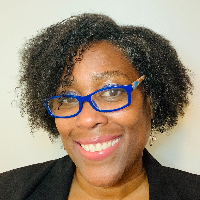


Amargo Crenshaw
LPC
Georgia - 20 yrs exp














How fatherhood issues therapy typically works for Georgia residents
If you are looking for support with fatherhood-related concerns in Georgia, therapy usually begins with an initial conversation to clarify what you want to address. During that first session you and a clinician will review your background, your current challenges, and the practical goals you hope to achieve. Many therapists emphasize a collaborative approach - you and your clinician set the pace, choose areas to focus on, and decide whether individual sessions, couples sessions, or family work will be most useful.
Therapists who specialize in fatherhood issues often draw on a mix of approaches to reflect the varied experiences of fathers. That may include techniques that help you manage stress and emotion, communication strategies for co-parenting, and exploration of how identity and cultural expectations shape your role as a dad. Sessions can be structured or open-ended depending on your preferences, and progress is typically measured in terms of improved communication, clearer boundaries, or greater confidence in your parenting choices.
Finding specialized help for fatherhood concerns in Georgia
When you search for a therapist in Georgia, look for clinicians who list fatherhood issues, parenting, or men's mental health among their specialties. Credentials such as licensed professional counselor, licensed clinical social worker, or psychologist indicate formal training, but you may also value experience with particular family structures or life transitions. If you live in Atlanta or nearby suburbs, in cities like Savannah or Augusta, you will often find a wider range of specialties and more options for evening or weekend appointments. In smaller towns or rural areas, teletherapy can broaden your choices by connecting you with clinicians across the state.
You may want to prioritize clinicians who have specific experience with the stage you are in - becoming a first-time father, parenting after separation, stepfatherhood, or reconciling with adult children. Some therapists offer work focused on co-parenting communication, others emphasize emotional regulation and identity issues that often accompany major life changes. Reading therapist profiles and introductory videos can give you a sense of their style and approach before you reach out.
What to expect from online therapy for fatherhood issues
Online therapy has become an important option for many people in Georgia, especially if you need flexible scheduling or live outside a metropolitan area. When you choose online sessions, you will typically receive instructions for connecting via a video platform and guidance about how to prepare for a session - finding a quiet room, using headphones, and ensuring a stable internet connection. Online therapy can be just as focused as in-person work, allowing you to practice communication skills with your co-parent or to reflect on parenting situations from your own environment.
Some therapists combine in-person and virtual work, offering a hybrid model that can fit your life demands. For fathers who are juggling work and family responsibilities in places like Atlanta or Augusta, this flexibility often makes it easier to keep regular appointments. If you are considering online therapy, ask about session length, cancellation policies, and whether the clinician offers brief check-in appointments in between regular sessions. Those practical details help you maintain momentum when life gets busy.
Common signs that you might benefit from fatherhood-focused therapy
You might consider seeking support if you notice recurring conflict around parenting choices, feel overwhelmed by the responsibilities of fatherhood, or are struggling to connect emotionally with your children. Changes in sleep, appetite, or energy can indicate that stress is affecting your day-to-day functioning, and persistent irritability or withdrawal from family life are also signals that professional support could be useful. Fathers who are navigating separation or co-parenting may find therapy helpful when conversations break down or when you're trying to establish consistent routines across two households.
Other reasons to seek help include adjusting to new identity changes after becoming a dad, coping with grief or loss related to family transitions, and managing the legacy of how you were parented. Therapy can offer a space to examine patterns, practice new behaviors, and develop coping skills that help you be more present with your children. If you live near Savannah or another coastal community, local social norms and family structures may influence your experience, and a therapist who understands your regional context can be especially helpful.
Practical tips for choosing the right therapist for fatherhood issues in Georgia
Start by identifying what you want from therapy - clearer communication with your coparent, strategies for balancing work and parenting, or personal growth as a father. Use that clarity to narrow your search to clinicians who emphasize relevant specialties. When you review profiles, pay attention to their stated approach, typical client concerns, and whether they mention working with fathers or family systems. Introductory calls are a good way to get a feel for rapport; you should leave that call with a sense of whether the clinician listens and responds in a way that feels constructive to you.
Consider practical matters such as location and scheduling. If you live in a busy part of Atlanta, evening appointments may be important. If you are in a rural area, confirm that the clinician offers virtual sessions and that their hours align with your availability. Ask about fees and whether they offer a sliding scale if cost is a concern. It is also reasonable to ask about experience with custody-related concerns, cultural factors, or military service if those are relevant to your situation. A therapist who understands the specific pressures you face will likely be quicker to help you make useful changes.
Building a working relationship
A good therapeutic relationship is rooted in mutual respect and practical collaboration. You should feel that your therapist takes your goals seriously and offers feedback that is clear and workable. Progress may be incremental - small changes in how you respond to stress, more effective conversations with your co-parent, or improved routines with your children - but those shifts can add up. If something about the approach does not fit, it is acceptable to raise that in session or to seek a different clinician whose style aligns better with your needs.
Next steps and local considerations
Once you identify a few clinicians who seem like a good match, reach out to schedule an initial appointment. Prepare for that first conversation by noting the key issues you want to address, any scheduling constraints, and whether you prefer virtual or in-person work. Living in Georgia gives you access to a range of clinicians, from urban practices in Atlanta to therapists who understand small-town dynamics across the state. In cities like Augusta and Savannah you may also find group offerings or fatherhood workshops that complement one-on-one therapy.
Finding the right therapist is an important step toward feeling more confident in your role as a father. By clarifying your goals, considering practical logistics, and prioritizing a therapist who understands your family context and cultural background, you will increase the likelihood of making constructive changes. Use the listings above to explore profiles and schedule consultations so you can take the next step toward better support for your fatherhood journey.