Find a Control Issues Therapist in Georgia
This page lists therapists in Georgia who specialize in control issues, with profiles for clinicians across the state including Atlanta, Savannah and Augusta. Use the listings below to compare credentials, specialties and availability. Browse profiles to identify clinicians whose approaches align with individual needs.








Dr. Anila Malik
LPC
Georgia - 36 yrs exp
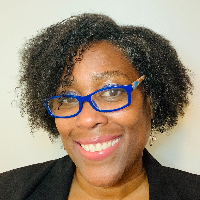


Amargo Crenshaw
LPC
Georgia - 20 yrs exp

Fred Farrar
LPC
Georgia - 30 yrs exp









How control issues therapy works for Georgia residents
If you are wrestling with behaviors or patterns that feel driven by a need to control outcomes, therapy can be a place to explore what is behind those impulses and to learn different ways of coping. A typical course begins with an assessment of what you want to change and how symptoms affect daily life - relationships, work, and stress levels. From there, a therapist will work with you to build skills that reduce distress, improve flexibility, and increase your capacity to tolerate uncertainty. Therapy is collaborative; you and the clinician set goals, monitor progress, and adjust methods as needed. Many people notice meaningful change after several months of consistent work, though pace and structure vary depending on your needs and the therapeutic approach.
Approaches you might encounter
Clinicians in Georgia use a range of evidence-informed approaches to address control-related patterns. Cognitive behavioral techniques help you identify and shift thoughts that drive controlling behavior and teach practical coping strategies. Dialectical behavioral ideas can strengthen emotional regulation and distress tolerance so you do not rely on control as the only strategy. Acceptance-oriented methods encourage noticing uncomfortable feelings without acting on them, while problem-solving interventions focus on practical steps to reduce overwhelm. Some therapists combine individual work with family or couples sessions when interpersonal dynamics play a major role. When trauma or deeper attachment concerns are present, trauma-informed care is often integrated to create a more stable foundation for change.
Finding specialized help for control issues in Georgia
When you search for a clinician in Georgia, look for providers who list experience with control issues, compulsive behaviors, perfectionism, or related concerns. Licensure titles to expect include licensed professional counselor, licensed clinical social worker, or psychologist. Credential alone does not tell the whole story; pay attention to a therapist’s stated specialties, training, and client focus. In urban areas like Atlanta you may find a wider variety of specialties and therapy styles, while smaller cities and rural counties may offer fewer options in person but make up the difference with clinicians who provide remote sessions.
Local options and community resources
Georgia has community mental health clinics, university training clinics, employee assistance programs, and private practices that serve different needs and budgets. University towns and larger metro areas often host clinics operated by training programs that offer reduced-rate sessions under faculty supervision. Community programs provide sliding scale options in many counties. If affordability or scheduling is a concern, check whether clinicians offer evening hours, group programs focused on skills training, or short-term workshops on stress and control. Local support groups and educational workshops can also be a helpful complement to one-on-one therapy.
What to expect from online therapy for control issues
Online therapy expands access across Georgia, making it easier to work with a clinician who fits your needs even if they are based in a different city. Sessions typically happen via video call and follow the same structure as in-person appointments, including check-ins, skill practice, homework, and treatment planning. You should plan for a quiet, comfortable environment for sessions and make sure your internet connection supports video. Many therapists use secure video technology and will explain how they protect your information and communications - ask about the platforms they use and what steps they take to safeguard your privacy during sessions.
Considerations for Georgia residents
Therapists must follow state regulations, so check that any online provider is licensed to practice with clients in Georgia. This matters because professional standards and emergency procedures can vary by state. Online therapy can be particularly useful if you live outside a major city, as it lets you connect with clinicians in Atlanta, Savannah, Augusta, or other parts of the state without travel. Keep in mind that some therapeutic techniques or assessments may need to be done in person, and a clinician will discuss options with you if that is the case.
Common signs that someone in Georgia might benefit from control issues therapy
You might be considering therapy if you notice patterns where the need to control outcomes causes frequent stress or interferes with relationships. This can show up as a persistent need to plan and micromanage, intense anxiety when plans change, difficulty delegating tasks, or repeated conflicts with family members and coworkers. Some people experience compulsive checking, perfectionism that prevents finishing projects, or emotional outbursts when expectations are not met. Others feel exhausted by the constant effort to maintain control and want strategies for balancing reliability with flexibility. If these patterns affect your ability to enjoy life or meet responsibilities, seeking specialized help can be a constructive step.
Tips for choosing the right therapist for this specialty in Georgia
Start by clarifying what you hope to change and how you prefer to work - structure-focused sessions, skills practice, insight-oriented conversation, or a combination. Read therapist profiles to learn about clinical approaches, years of experience, and populations served. When you contact a clinician, ask about their experience with control-related issues, the typical course of therapy, and how they measure progress. Inquire about logistical details such as session length, fees, insurance acceptance, cancellation policies, and whether they offer evening or weekend appointments if that fits your schedule.
If you live in a city like Atlanta, you may have the option to meet in person or switch between in-person and online sessions for convenience. In smaller communities or more rural parts of Georgia, online work may be the primary option. Consider cultural fit as well - your therapist’s background, communication style, and approach to family or community dynamics can shape the therapeutic relationship. Trust your sense of rapport; it is reasonable to try an initial session or two to see whether the clinician’s style feels like a good match. Many therapists welcome brief phone consultations to answer preliminary questions before scheduling a full appointment.
Practical questions to ask potential therapists
When you speak with a clinician, you might ask how they typically work with clients who struggle with control, what therapeutic techniques they draw on, and how they support clients in practicing new skills between sessions. You can ask for examples of goals that other clients set, how progress is tracked, and what to do if a crisis arises. If you rely on insurance, confirm coverage details and whether the clinician is in-network. Also ask about cancellation policies and options for short-term intensive work versus a longer-term relationship.
Next steps
Finding the right therapist takes time, but the listings on this page make it easier to compare clinicians across Georgia and in cities such as Atlanta, Savannah and Augusta. Use profile details to narrow options, reach out for consultations, and choose a clinician whose approach and availability match your needs. If you prefer online sessions, prioritize therapists who clearly explain how they practice remotely and what to expect. Taking the first step by reaching out for an initial conversation can lead to practical tools that reduce distress and increase flexibility in everyday life.
Therapy is a personal process and what works best will differ from person to person. Reviewing profiles, asking focused questions, and trusting your sense of fit are practical ways to find a clinician who can support change. When you are ready, use the listings above to contact therapists and schedule a consultation to explore next steps.