Find a Compulsion Therapist in Georgia
This page connects people in Georgia with therapists who specialize in compulsion-related concerns. Visitors will find therapist profiles that list specialties, treatment approaches, location options, and availability.
Browse the listings below to compare clinicians and begin reaching out to those who match your needs.





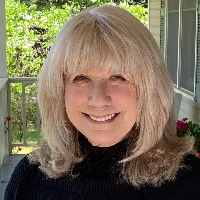
Dr. Anila Malik
LPC
Georgia - 36 yrs exp


















How compulsion therapy typically works for Georgia residents
When you seek help for compulsive behaviors you'll first meet with a clinician to discuss what is happening, how it affects your daily life, and what goals you want to set. Assessment often includes a review of the history of the behaviors, triggers, and any patterns that link actions to thoughts and feelings. From there you and your therapist will develop a treatment plan that focuses on reducing the intensity and frequency of compulsive acts and on restoring your sense of control.
Treatment commonly uses evidence-informed approaches that teach you skills to tolerate urges without acting on them, to challenge unhelpful thinking, and to change routines that maintain compulsive cycles. Sessions usually involve practice between appointments, tracking progress, and gradual exposure to avoided situations when appropriate. The pace is collaborative - you and the therapist decide what feels manageable while still moving toward meaningful change.
Approaches and techniques you may encounter
You may encounter a range of approaches including cognitive-behavioral methods, exposure and response prevention techniques, habit-reversal strategies, and acceptance-based skills. Therapists trained in these methods help you identify the triggers for compulsive behavior and build step-by-step plans to respond differently. In addition to talk therapy, many clinicians incorporate behavioral experiments, skills practice, and functional analysis of routines so that you can see how changes alter outcomes in daily life.
Finding specialized help for compulsion in Georgia
Searching for a therapist who understands compulsive behavior means looking for clinicians who list this focus in their profiles and who have training or experience in the methods described above. Many therapists in Atlanta and other urban centers have experience treating a wide range of compulsive presentations, while smaller communities may have clinicians who provide targeted support or who offer telehealth to expand options. If you live in Savannah, Augusta, Columbus, Athens, or elsewhere in the state you can often find practitioners who combine clinical knowledge with experience working in local contexts.
Referrals can come from a variety of places - primary care providers, community mental health centers, university counseling clinics, and local support groups. When you contact a therapist, it is reasonable to ask about their experience with compulsive behavior, the approaches they use, and whether they have worked with people who have similar concerns to yours. Availability of evening or weekend appointments can be important if you have work or school commitments.
What to expect from online therapy for compulsion
Online therapy is a common option in Georgia and is offered by many clinicians who practice in the state. When you choose online care you can expect sessions that resemble in-person work in structure and goals - assessment, skill-building, guided practice, and progress reviews. The convenience of virtual sessions can make it easier to maintain regular appointments, especially if you live outside major centers or have limited transportation options.
Therapists provide guidance on how to prepare for remote sessions, such as finding a quiet place to meet, having any tracking tools or worksheets ready, and discussing how to handle intense moments between sessions. You should ask potential therapists about their technology expectations, whether they offer video or phone sessions, and how they handle scheduling and cancellations. It is also appropriate to inquire about how online care is coordinated with any local supports you may have, such as a primary care clinician or nearby mental health services.
Common signs that someone in Georgia might benefit from compulsion therapy
You might consider reaching out for help when compulsive behaviors start to interfere with your relationships, work, schooling, or daily responsibilities. Signs include spending a large amount of time performing repetitive actions, feeling unable to resist urges despite negative consequences, experiencing anxiety if prevented from acting on urges, or using the behavior to relieve distress in a way that ultimately causes more problems. You may also notice that rituals have become more rigid over time or that attempts to stop lead to intense discomfort and unsuccessful cycles of relief and return.
Compulsive behaviors can take many forms and can co-occur with anxiety, mood concerns, or other stressors. Even if the behaviors are not frequent, but they cause you distress or limit participation in activities you care about, professional support can help you develop alternatives and regain flexibility in daily life.
Tips for choosing the right therapist for this specialty in Georgia
When evaluating a therapist focus first on their experience with compulsion-specific methods and with people who have similar concerns. Credentials and licensure are important indicators - clinicians may hold titles such as licensed professional counselor, licensed clinical social worker, psychologist, or other state-recognized licenses. Ask about training in approaches you have heard of, such as exposure and response prevention or habit-reversal training, and about the therapist's typical session format and homework expectations.
Consider practical factors such as location, whether the clinician offers in-person sessions in places like Atlanta or provides online appointments for residents across the state, fee structure, and insurance acceptance. If affordability is a concern, ask about sliding scale fees, community clinics, or university-affiliated clinics that may offer reduced rates. Trust your sense of fit - it's reasonable to have an initial consultation to see whether the therapist's style and approach feel supportive and goal-directed.
Community context and cultural fit
Georgia is culturally diverse, with different communities across urban and rural areas. You may prefer a therapist who understands local cultural influences, family dynamics, or faith traditions that matter to you. In cities like Atlanta you may find a wide range of specialties and demographic representation among clinicians, while smaller towns may offer clinicians who are deeply connected to local resources. Discussing cultural preferences and language needs early can help ensure that therapy aligns with your values and expectations.
Next steps and what to expect after you start therapy
After you begin therapy you can expect a period of assessment followed by concrete goals and coping strategies to practice. Change often happens gradually - you may notice small shifts in how you respond to urges and in your ability to tolerate discomfort without engaging in compulsive acts. Progress is commonly measured both by how often the behavior occurs and by how much freedom you feel in daily life. Keep communication open with your therapist about what is helping and what needs adjustment so that treatment remains relevant and effective.
If you are ready to begin, use the listings above to compare clinician profiles, check availability, and reach out for an initial conversation. Finding the right therapist is a collaborative process - when you connect with someone who understands compulsion and aligns with your goals you can begin working toward meaningful change in your life in Georgia and beyond.