Find an Addictions Therapist in Georgia
This page features licensed addictions therapists serving Georgia, including professionals in Atlanta, Savannah, Augusta and surrounding communities. Browse the profiles below to compare specialties, approaches, and availability so you can find a clinician who fits your needs.






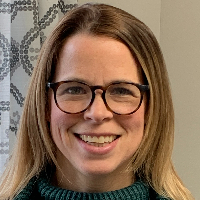
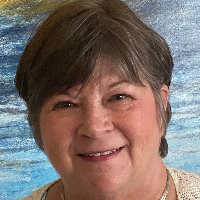
Dr. Anila Malik
LPC
Georgia - 36 yrs exp




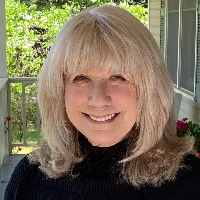
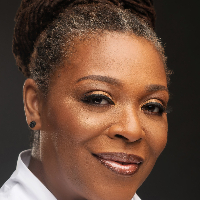
Amargo Crenshaw
LPC
Georgia - 20 yrs exp









How addictions therapy typically works in Georgia
When you begin addictions therapy in Georgia, the process usually starts with an intake conversation to learn about your history, current challenges, and goals. A clinician will ask about substance use patterns or problematic behaviors, mental health symptoms, medical history, and any legal or social concerns that affect daily life. From there you and the therapist develop a treatment plan that reflects your priorities - that plan may focus on reducing harm, managing cravings, rebuilding relationships, or addressing co-occurring mental health concerns. Therapy sessions can be individual, involve family or significant others, or take place in a group setting depending on what best supports your progress.
Therapists in Georgia draw on a range of methods that have been used to support people working through addictions. Cognitive behavioral approaches help you identify and change patterns that contribute to use. Motivational approaches aim to clarify your reasons for change and strengthen commitment. Relapse prevention strategies focus on recognizing triggers and building practical coping skills. Many clinicians combine these approaches to fit your situation and adjust the plan over time as you move toward your goals.
Finding specialized help for addictions in Georgia
Not all clinicians specialize in addictions, so you may want to look for therapists who list substance use, alcohol concerns, or behavioral addictions as a focus of practice. Credentials to note include licensed professional counselors, licensed clinical social workers, and licensed marriage and family therapists who have additional training or certification in addiction treatment. Some providers also hold specialized certifications in addiction counseling or have experience with particular populations, such as young adults, veterans, or people with trauma histories.
Where you live in Georgia can influence the kinds of services available. In larger metropolitan areas like Atlanta you will find a broader range of specialized programs and clinicians who offer intensive outpatient options, medically integrated care, or long-term psychotherapy. In coastal cities such as Savannah and in regional centers like Augusta, there are clinicians who provide targeted outpatient services and who often collaborate with community health programs. If you live outside a major city, online therapy options and regional clinics can help bridge service gaps.
What to expect from online therapy for addictions
Online therapy has become a common option for people seeking addictions support in Georgia. You can expect sessions by video or phone that resemble in-person therapy in structure and length. Many clinicians offer the same assessment procedures and therapeutic approaches remotely, and they may provide supplemental resources such as worksheets, tracking tools, or links to local support groups. If you choose online care, ask the clinician how they handle coordination with local medical providers or programs, especially if you need referrals for medication-related care or higher levels of treatment.
Before you start online sessions, it is reasonable to ask about privacy safeguards and how your information is protected during virtual visits. You can also clarify expectations about scheduling, cancellations, and how to reach the therapist in urgent situations. For residents of Georgia it is important that any clinician offering telehealth is licensed to practice in Georgia, since state licensure governs the provision of therapy across state lines.
Common signs someone in Georgia might benefit from addictions therapy
You might consider seeking addictions therapy if substance use or a repetitive behavior is causing problems in work, school, family life, or your sense of wellbeing. Signs that indicate it may help to speak with a professional include increasing frequency or quantity of use, unsuccessful attempts to cut down or stop, spending a lot of time obtaining or recovering from use, and continuing use despite negative consequences. You may notice declining motivation, mood swings, irritability, or withdrawal from activities you previously enjoyed. Relationships may become strained, and responsibilities at home or work may be neglected as use becomes more central to daily life.
Other signs include using in risky situations, feeling intense cravings, or experiencing physical symptoms when you try to stop. If you are concerned about safety during withdrawal or if you have medical conditions that could complicate reduction efforts, consider involving a medical professional alongside a therapist. Reaching out for help early often gives you more options and a smoother path toward the changes you want to make.
Tips for choosing the right addictions therapist in Georgia
Choosing a therapist is a personal decision and feeling comfortable with your clinician matters. Start by identifying what matters most to you - whether that is experience with a specific substance or behavior, a particular therapeutic approach, availability for evening appointments, or the option to meet online. Look for clinicians who clearly describe their training and approach, and who are willing to answer your questions in an initial consultation. A brief phone call or introductory session can give you a sense of their style and whether you can imagine working with them over time.
Ask about practical matters such as fees, insurance participation, sliding scale availability, and cancellation policies so there are no surprises. If you live in or near Atlanta, Savannah, Augusta or other Georgia communities, check whether the clinician offers in-person appointments close to you or primarily works online. You may also want to inquire about experience coordinating with other services, such as medical providers, intensive outpatient programs, or community support groups, because integrated care can be important when needs extend beyond talk therapy.
Consider cultural fit and personal comfort as part of your decision. If you prefer a clinician who understands local cultural norms or who shares aspects of your background, that can influence rapport and treatment engagement. At the same time, prioritize evidence-informed approaches and a willingness to adapt the plan to your goals. If one therapist does not feel right after a few sessions, it is acceptable to look for another provider who may be a better match.
Local context and resources across Georgia
Georgia offers a mix of urban and rural resources that shape how addiction services are delivered. In Atlanta you will find a dense network of outpatient services, specialized clinics, and programs that serve diverse communities. Coastal areas such as Savannah provide outpatient treatment and community-based programs that reflect local needs. Augusta and other regional centers often have clinicians who collaborate with nearby hospitals and community health organizations to support transitions between levels of care. In smaller towns you may rely more on telehealth and regional referral networks to access specialized treatment.
When you are exploring options, consider reaching out to community health centers, university-affiliated programs, or local behavioral health organizations to learn about complementary services and support groups in your area. These resources can be particularly helpful when you need wraparound services such as case management, vocational support, or family-focused interventions. Connecting your therapist with other providers can help create a consistent plan that addresses both immediate needs and long-term recovery goals.
Moving forward with confidence
Deciding to seek help for an addiction is a meaningful step, and finding the right therapist in Georgia can make that step more manageable. You do not need to have everything figured out before reaching out - clinicians expect a range of readiness and can work with you from wherever you are. By browsing profiles, asking questions about approach and experience, and attending an initial session to assess fit, you can identify a clinician who understands your goals and supports your path forward.
Use the listings above to compare clinicians in Atlanta, Savannah, Augusta and beyond. Arrange a consultation, ask about treatment approaches and logistics, and choose the therapist who aligns with how you want to work and what you hope to achieve. Taking the first step opens up options for support, new strategies, and partnerships that can help you move toward healthier patterns in everyday life.