Find an Abandonment Therapist in Georgia
This page connects you with therapists in Georgia who specialize in abandonment and attachment-related concerns. Explore practitioner profiles below to compare approaches, availability, and telehealth options and find a clinician who fits your needs.

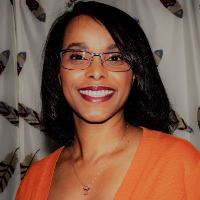



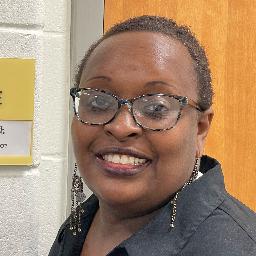
Dr. Anila Malik
LPC
Georgia - 36 yrs exp
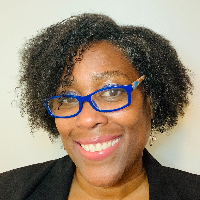


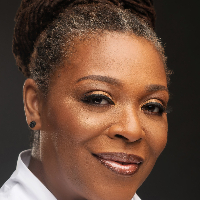
Amargo Crenshaw
LPC
Georgia - 20 yrs exp

Brian Cunningham
LPC
Georgia - 8 yrs exp











How abandonment therapy works for Georgia residents
If you decide to pursue abandonment therapy in Georgia, the process typically begins with an initial assessment where you and a clinician map out concerns, goals, and any immediate needs. Therapists who work with abandonment-related issues often draw from attachment-focused approaches as well as trauma-informed practices, cognitive-behavioral strategies, and experiential techniques to help you understand patterns that developed over time. The work is usually relational - you will talk about past losses, relationship histories, and the ways those experiences influence your present reactions. Over time you and your therapist will develop practical skills to manage intense emotions, set healthier boundaries, and try new ways of relating that can reduce repeating painful cycles.
In Georgia the delivery of that care can look different depending on where you live. In urban areas like Atlanta or Savannah you may find a wide range of specialists with deep experience in attachment wounds. In smaller communities access may be more limited, but many clinicians offer telehealth sessions that make it possible to work with a specialist regardless of distance. When you start therapy, expect an emphasis on building trust, clarifying what abandonment means in your life, and learning both coping skills and ways to repair or reframe relational patterns.
Finding specialized help for abandonment in Georgia
Searching for a therapist who focuses on abandonment concerns means looking for clinicians with experience in attachment, loss, or relational trauma. In Georgia, licensed professionals may include counselors, clinical social workers, psychologists, and marriage and family therapists. You can use a directory to filter by specialty, credentials, and whether the clinician offers in-person or telehealth sessions. In cities like Atlanta and Augusta you may have more immediate options for in-person care, while professionals in Savannah may offer a blend of office and remote sessions to serve coastal communities.
Beyond credentials, consider clinicians who list specific training related to attachment theory, trauma work, or modalities that match how you prefer to engage - whether that is talk-based reflection, skills-oriented work, or body-aware approaches. Many therapists who help with abandonment also have experience supporting people through relationship endings, family estrangement, and long-standing patterns of mistrust. When you reach out, ask about their experience with issues similar to yours and how they typically structure sessions for this kind of work.
What to expect from online therapy for abandonment
Online therapy can be especially useful when you want consistent access to a clinician who understands abandonment, regardless of your location in Georgia. With telehealth you can connect from home or from another comfortable environment, which may make it easier to keep appointments during busy weeks or when travel is a challenge. The first few online sessions often focus on intake - discussing your history, current struggles, safety planning, and short-term goals. Therapists will work with you to establish how you will communicate between sessions, how to handle technical issues, and what to do in a crisis.
In an online setting you can expect many of the same therapeutic tasks as in-person work - exploring relational patterns, practicing new ways of responding, and processing past losses - but delivered through video, phone, or text-based messaging. Because the therapeutic relationship is central in abandonment work, many clinicians pay special attention to helping you feel comfortable and understood early on. If you live outside major metropolitan areas like Atlanta or Savannah, online therapy widens your options and can connect you with specialists who might otherwise be unavailable.
Practical considerations for telehealth
You will want to check whether a therapist is licensed to provide services in Georgia, what technology they use, and whether they offer therapy at times that fit your schedule. Some therapists maintain evening sessions to accommodate work hours, while others offer daytime slots. It is reasonable to ask about session length, how cancellations are handled, and what payment options are available. If you have concerns about emergency support during a crisis, ask how your clinician handles urgent situations and what local resources they recommend in Georgia.
Common signs you might benefit from abandonment therapy
You may find abandonment-focused therapy helpful if you notice persistent patterns in relationships that leave you feeling anxious, overly clingy, or strangely detached. People often seek this kind of help after repeated breakups, ongoing fears that partners will leave, or when childhood separations continue to shape adult trust. You might find yourself testing relationships, pushing people away before they can leave, or feeling intense shame or low self-worth when intimacy grows. These patterns can show up in friendships, romantic relationships, work settings, and in how you parent or respond to feedback.
Other signs that suggest abandonment-focused work could be useful include chronic anxiety about being alone, difficulty believing that someone will stay, frequent jealousy, or a tendency to interpret neutral events as rejection. If you notice that these reactions limit your ability to form satisfying connections or cause recurring conflicts, therapy can provide a space to examine the roots of those responses and to practice new relational skills. Residents of Georgia who live in fast-paced urban areas like Atlanta or quieter towns alike can experience these patterns, and the right therapeutic relationship can help you move toward different outcomes.
Tips for choosing the right therapist in Georgia
Choosing a therapist is both practical and personal. Start by identifying whether you prefer someone who is more directive and skills-focused or someone who leans toward insight and exploration. Read clinician profiles to learn about their training and approach, and pay attention to whether they list experience with abandonment, attachment, or relational trauma. When you contact a therapist, prepare a few questions about their experience with issues similar to yours, what a typical session looks like, and how they measure progress.
Consider logistical fit as well - appointment times, fees, insurance acceptance, and whether they offer remote sessions. If you live near Atlanta, Savannah, or Augusta you may have the option to try an in-person session; if not, telehealth opens doors to clinicians across the state. Trust your sense of rapport in the first few sessions. It is normal to feel vulnerable when addressing abandonment, and you should look for someone who listens without judgment, offers clear explanations, and collaborates with you on goals. If the fit is not right, it is okay to try a different clinician until you find one who feels like a good match.
Consider cultural and regional fit
Georgia has diverse communities and cultural backgrounds, and it can matter that your therapist understands the cultural context of your life. Some people prefer a clinician who shares similar cultural experiences or who demonstrates cultural humility and familiarity with regional family dynamics. Whether you live in Atlanta or a smaller community, consider asking about the therapist's experience working with people from backgrounds similar to yours and how they incorporate cultural awareness into the therapeutic process.
Moving forward with therapy
Starting abandonment therapy can feel like a significant step. You will likely experience moments of relief as well as challenging conversations about past hurts and relational patterns. Over time therapy aims to help you build greater emotional resilience, clearer boundaries, and more reliable ways of connecting with others. In Georgia you have options to pursue this work in person or online, and you can use directories to narrow choices by specialty, location, and modality.
When you are ready, browse the listings below to compare therapists who focus on abandonment and attachment-related concerns. Reach out to a few clinicians, ask the questions that matter to you, and give yourself permission to try a couple of sessions to gauge fit. Finding the right therapeutic partner is a process, and taking that first step can open the door to meaningful change in how you relate to yourself and to others.