Find an Acceptance and Commitment Therapy (ACT) Therapist in Florida
Acceptance and Commitment Therapy (ACT) is a mindfulness-informed behavioral approach that helps people clarify their values and take meaningful action. Locate practitioners across Florida who use ACT principles in their work and browse the listings below to find clinicians who match your needs.

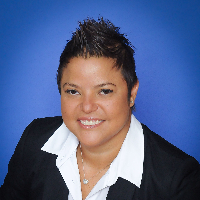
Martha "Grace" Marquez
LMHC
Florida - 21 yrs exp






















What Acceptance and Commitment Therapy (ACT) Is
Acceptance and Commitment Therapy, commonly called ACT, is a therapeutic approach that blends mindfulness practices with strategies for clarifying values and committing to behavior change. Instead of promising symptom elimination, ACT invites you to develop a different relationship with difficult thoughts and emotions so they interfere less with what matters to you. The approach focuses on psychological flexibility - the ability to stay present, open to experience, and engaged in actions guided by your personal values.
Core Principles Behind ACT
ACT is built around a set of interrelated processes that therapists use to support change. You will encounter practices that encourage acceptance of internal experiences, mindful awareness of the present moment, cognitive defusion techniques to reduce the impact of unhelpful thoughts, and exercises that help you identify and commit to values-driven goals. Rather than trying to eradicate uncomfortable feelings, the work centers on creating space for them while you move in directions that bring greater meaning to your life.
How ACT Is Used by Therapists in Florida
Therapists in Florida integrate ACT into many forms of counseling, from short-term skills-based work to longer-term psychotherapy. In urban centers like Miami and Tampa, you may find clinicians blending ACT with culturally informed approaches for diverse populations. In university towns and suburban communities around Orlando and Jacksonville, therapists often combine ACT techniques with vocational, family, or school-related supports. Whether you are seeking help in a metropolitan setting or a smaller community, ACT-trained clinicians in Florida tend to emphasize practical exercises you can use between sessions, such as mindfulness practices and values clarification exercises.
Because ACT is versatile, therapists adapt its language and methods to fit different age groups and cultural backgrounds. In Florida, clinicians frequently tailor ACT-based interventions to the local context - incorporating community values, language preferences, and the everyday realities of living in the region. This means you can expect an ACT-informed plan that reflects who you are and what matters most in your life.
Issues Commonly Addressed with ACT
ACT is applied to a wide range of concerns where increasing psychological flexibility can help you act more consistently with your values. Therapists often use ACT for stress related to work and relationships, persistent worry or rumination, low mood, adjustment challenges, chronic pain, and life transitions. ACT is also used in treatments that address performance anxiety, parenting stress, and habits you want to change. In Florida, clinicians use ACT both in standalone therapy and as part of integrated care alongside medical or community services.
What You Might Expect in an ACT Session Online
An online ACT session typically begins with a brief check-in about how you have been managing since the last meeting and any practical concerns. Your therapist will invite curiosity about your current experience - thoughts, sensations, and emotions - without pushing you to eliminate them. Sessions often include short guided mindfulness exercises, experiential metaphors or analogies to illustrate ACT ideas, and collaborative work to identify values and small, achievable actions. Your clinician may suggest exercises to practice between sessions that help you notice patterns and try out new behaviors. Online sessions are structured to maintain engagement - you and your therapist will pace exercises so they work well in a virtual format.
To make the most of online ACT, choose a quiet, comfortable environment where you can speak openly and try exercises without interruption. Many clinicians in Florida offer flexible scheduling to accommodate work and family demands, with evening or weekend appointments available in larger cities such as Miami, Orlando, and Tampa.
Who Is a Good Candidate for ACT
ACT can be a useful option if you are motivated to live in alignment with your values and are willing to experiment with different ways of responding to internal experiences. You do not need to stop feeling difficult emotions to benefit from ACT. Instead, the work helps you notice how avoidance, struggle, or rigid thinking may be getting in the way of the life you want to build. People who appreciate practical exercises, mindfulness practices, and values-focused planning often find ACT a good fit.
ACT can be adapted across ages and cultural backgrounds. If you are dealing with persistent patterns that limit your activity - such as avoidance, procrastination, or unhelpful self-criticism - ACT-based strategies can help you identify small steps that reflect your priorities. During an initial consultation, a therapist can explain how ACT principles would apply to your situation and whether the approach aligns with your goals.
How to Find the Right ACT Therapist in Florida
Finding the right therapist involves more than selecting a clinician who lists ACT on their profile. Start by considering practical factors such as location, availability, telehealth options, and whether the therapist accepts your insurance or offers a sliding scale. In Florida, you can search for clinicians in major areas like Miami, Orlando, Tampa, Jacksonville, and Fort Lauderdale to find someone whose schedule and setting match your needs.
Next, look for information about a therapist's training and experience with ACT. Many clinicians will describe how they use ACT in sessions, the kinds of clients they typically work with, and whether they combine ACT with other modalities. It can be helpful to read therapist profiles to learn whether they emphasize mindfulness practices, values clarification, behavioral activation, or experiential exercises. When you contact a clinician for an initial conversation, ask about session length, typical treatment pacing, and what homework or practice you might expect between meetings.
Pay attention to fit as well as credentials. You should feel that a therapist listens openly and explains ACT concepts in a way that makes sense to you. If language or cultural understanding matters to you, look for clinicians who note bilingual services or experience with specific communities. Many therapists in Florida offer a brief consultation by phone or video so you can gauge rapport before committing to ongoing sessions.
Practical Considerations and Next Steps
When you are ready to begin, prepare for your first session by thinking about what matters most in the coming months - relationships, work, health, or personal projects. Bringing a sense of what you want your life to look like can help the therapist tailor ACT interventions to your values. Discuss logistical questions such as fees, cancellation policies, and whether the therapist provides session notes or worksheets you can use at home. If you prefer in-person work, verify office locations and parking or transit options; if you plan to meet online, ask what technology the clinician uses and whether they provide guidance for setting up a distraction-free space.
ACT offers a practical framework for learning to live with thoughts and feelings while taking steps toward the life you value. By choosing a therapist whose approach and availability match your needs, you can begin focused work that blends mindfulness, acceptance, and committed action. Explore the listings above to find ACT clinicians across Florida and start a conversation about how this approach might help you pursue meaningful change.