Find a Hearing Impaired Therapist in Florida
This page highlights therapists across Florida who specialize in working with people who are hearing impaired. Browse the listings below to view clinician profiles, accessibility options, and approaches available in your area.


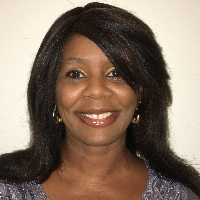
Melissa Benson
LMHC, LCMHC
Florida - 24 yrs exp




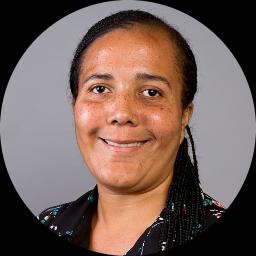
Maggie Zagorova
LMHC
Florida - 14 yrs exp
Penni Mitchell
LCSW
Florida - 30 yrs exp






How hearing impaired therapy works for Florida residents
If you are looking for a therapist who understands hearing loss and Deaf culture, therapy in Florida can be adapted to meet communication and accessibility needs. Many therapists who work with hearing impaired clients combine knowledge of communication strategies, counseling approaches, and collaboration with other professionals such as audiologists or speech-language specialists. Therapy can take place in person in clinics across the state or online, with accommodations such as sign language interpreting, captioning, or text-based sessions when appropriate.
Therapists often tailor their approach to fit how you communicate best. That may mean delivering sessions in American Sign Language when a clinician is fluent or arranging for a qualified sign language interpreter. It may also mean using live captioning technology during video sessions or offering extended time for processing and responses. You should expect a clinician to ask about your communication preferences, hearing history, and any assistive technology you use so that sessions are as accessible and helpful as possible.
Communication and accessibility considerations
Your communication needs drive the practical setup of sessions. For in-person appointments, therapists aware of hearing access will consider room layout, lighting for lip reading, and minimizing background noise. For online work, good lighting, camera framing, and platform choice influence how well you and your clinician exchange information. If you rely on captions, ask about providers that can enable live captioning or use platforms that support accurate caption displays. If you prefer text or email between sessions, discuss that option during your initial contact so expectations are clear.
Coordination with other professionals
Therapy for hearing impaired clients is often part of a broader care plan. You may find it helpful if your therapist coordinates with an audiologist, an ear, nose, and throat specialist, or an educational or vocational resource to address overlapping concerns. This collaboration can support a more integrated approach to emotional well-being, communication strategies, and daily functioning. You can ask potential therapists about their experience working alongside other providers and how they handle referrals when additional support is needed.
Finding specialized help in Florida
When searching for a therapist in Florida who works with people who are hearing impaired, start by checking clinician profiles for mention of sign language fluency, experience with Deaf culture, or specific training in accessibility. Many listings will note whether a therapist offers in-person appointments in cities like Miami, Orlando, Tampa, Jacksonville, or Fort Lauderdale, and whether they provide remote sessions. If you live in a more rural part of Florida, online options can widen your choices and connect you with therapists who have the right experience.
Using local connections
Community organizations, local support groups, and university programs in larger Florida cities can be good starting points for recommendations. You might reach out to a Deaf community center or peer support network to learn which therapists have strong reputations for accessibility and cultural responsiveness. Local hospitals and clinics may also have directories or staff who can point you to clinicians with relevant experience.
What to expect from online therapy for hearing impaired clients
Online therapy can be a very practical option if you need specialized skills that are not readily available nearby. Video sessions allow for visual communication and, when needed, the addition of a sign language interpreter. Many therapists can enable real-time captioning or can use a platform that supports caption displays. If you prefer a chat-based approach, some clinicians offer synchronous text sessions that mimic a live conversation, which can be helpful when visual cues are less important.
Before your first online appointment, test your camera, microphone, and internet connection to reduce interruptions. Choose a comfortable environment free from distractions and with good lighting so that facial expressions and signing are easy to see. It is reasonable to ask a therapist how they handle technology issues, what backup communication methods they use, and how they ensure your notes and records are handled according to health privacy laws. Many therapists will offer a brief test call to confirm that the chosen setup meets your needs.
Common signs that someone in Florida might benefit from hearing impaired therapy
You might consider seeking a therapist if you notice persistent communication challenges that affect relationships, work, or daily life. Feeling isolated or withdrawing from social situations because conversations feel difficult, experiencing ongoing frustration or anger related to hearing loss, or noticing a decline in motivation and mood are signals that support could help. Changes in sleep or appetite, increased anxiety around social interactions, or difficulty adapting after a recent change in hearing status are also reasons to reach out.
Relatives and friends sometimes observe shifts before you do - strained conversations, avoidance of group events, or increased misunderstandings. If you are navigating a new hearing device, recent diagnosis, or major life transition, a therapist experienced with hearing impaired clients can provide coping strategies, communication coaching, and support that recognizes the cultural and practical aspects of hearing loss in daily life.
Tips for choosing the right therapist for this specialty in Florida
Choosing a therapist is a personal decision that depends on communication fit, clinical approach, and logistical factors. Start by identifying what matters most to you - whether that is fluency in American Sign Language, experience with Deaf culture, expertise in particular therapy modalities, or flexible scheduling. Look for clinicians who describe their experience working with hearing impaired clients and who clearly outline the accessibility options they offer. If you live near a major city such as Miami, Orlando, or Tampa, consider whether in-person access is important, or whether an online relationship might provide a better match.
Practical questions to ask
When you contact a therapist, ask about their training and experience with hearing impaired clients, the types of accommodations they provide, and how they integrate interpreters or captioning when needed. Inquire about session length, fees, insurance acceptance, and whether they offer sliding scale options. Ask how they handle emergency or after-hours concerns and what you can expect during an initial consultation. Clear conversation about logistics and communication preferences helps you determine whether a clinician is a good fit.
It is also important to consider cultural responsiveness. A therapist who understands Deaf culture will respect communication priorities and work with you in ways that align with your identity and values. If you are unsure about terminology or cultural issues, a clinician who is open to learning or who consults with community resources can still provide respectful, effective care.
Making the first connection
Reaching out to a therapist can feel daunting, but many clinicians expect questions about access and accommodation and welcome them. Use the therapist listings below to review profiles, note availability in your area, and reach out with specific questions about communication methods and accommodations. Whether you live in a bustling city like Miami or Tampa or in a quieter Florida community, you can find clinicians who prioritize accessibility, cultural awareness, and practical support. Taking the first step to contact a therapist opens the door to better communication strategies and emotional support tailored to your experience.