Find an Antisocial Personality Therapist in Florida
This page lists therapists in Florida who focus on antisocial personality treatment, including options throughout Miami, Orlando, Tampa and other communities. Browse the listings below to compare specializations, approaches, and availability.




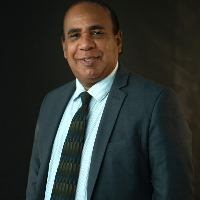
Darsell Harris
LMHC
Florida - 20 yrs exp















How antisocial personality therapy typically works for Florida residents
If you are considering therapy for antisocial personality concerns in Florida, you should expect a treatment process that is structured, collaborative, and focused on practical skills. Clinicians who work with these concerns often begin with an assessment to understand patterns of thinking, behavior, relationships, and any co-occurring issues such as substance use or mood challenges. From there, a therapist will work with you to set goals that are realistic and measurable, whether those goals relate to improving relationships, managing impulses, reducing risky behaviors, or enhancing employment and community functioning.
Therapy is usually individualized. Some people benefit from weekly sessions that concentrate on skill-building and ways to manage stress or anger. Others may enter programs that include group components or coordination with probation, employers, or family supports. Throughout Florida, from Miami to Tampa and Orlando, clinicians adapt their methods to the local context - taking into account community resources, cultural factors, and practical constraints like transportation or insurance coverage.
Finding specialized help for antisocial personality in Florida
When you look for a clinician in Florida who has experience with antisocial personality concerns, pay attention to training and background. Therapists come from different disciplines - psychology, counseling, social work - and they may have additional training in approaches that address behavior patterns and interpersonal functioning. Experience working with adults who have legal involvement, difficulty maintaining employment, or longstanding relationship problems can be especially relevant. In larger metro areas such as Miami, Orlando, and Tampa you are more likely to find clinicians who list this specialization and who have experience coordinating with other services.
You can also consider where you want care to take place. Some people prefer in-person appointments at a clinic or office in their city, while others choose online sessions for convenience. If you are located in a smaller community or travel between cities, telehealth options may increase your access to specialists who are otherwise concentrated in major urban centers. When contacting providers, asking about their experience with antisocial personality concerns - and with related areas such as substance use or anger management - will help you find a clinician whose skills match your needs.
What to expect from online therapy for antisocial personality
Online therapy can be an effective way to access a clinician who specializes in antisocial personality concerns, especially if you live outside a major city or have limited time. In an online session you will typically use a video platform to meet with your therapist for scheduled appointments. Expect the early sessions to include a detailed review of your history, current patterns, and immediate concerns. Your therapist will discuss personal nature of sessions practices and how information is handled, and they should outline what you can expect from treatment, including any limits to online care.
Online work often emphasizes skills you can practice between sessions - such as emotion regulation techniques, approaches to problem-solving, and methods for managing impulsive decisions. Therapists may also work with you to develop strategies for improving relationships and community functioning. There are practical considerations as well: ensure you have a quiet, comfortable environment for sessions, stable internet access, and a way to contact your clinician if a scheduling change is needed. In some cases, a blended approach - alternating online and in-person sessions - can provide both convenience and opportunities for in-person assessment when necessary.
Common signs someone in Florida might benefit from antisocial personality therapy
You might consider seeking help if you or someone close to you shows persistent patterns that interfere with daily life, even when those patterns have caused repeated problems. These signs often include difficulty keeping steady work or long-term relationships, frequent conflicts with others, a tendency to act impulsively or take uncalculated risks, and recurring encounters with legal or disciplinary systems. People who struggle to feel empathy, who routinely manipulate or deceive others for personal gain, or who have a pattern of ignoring commonly accepted social expectations may find focused therapy helpful.
It is also common for these patterns to co-occur with substance misuse, mood instability, or anger difficulties. If you notice increasing isolation, trouble managing strong emotions, or repeated cycles of harm to yourself or relationships, those are indicators that professional support could help you explore alternatives and build a different set of skills. Recognizing these patterns and asking for help is a practical first step, and it can open doors to strategies that improve daily functioning and reduce conflict.
Practical tips for choosing the right therapist for this specialty in Florida
Choosing a therapist is a personal decision and it often helps to start by clarifying what you want from treatment. Think about whether you prefer a clinician with clinical psychology training, a licensed counselor, or a social worker, and whether you want someone who has specific experience with the legal system or with behavior-focused therapies. When you contact a potential therapist, ask about their experience working with antisocial personality concerns and request examples of the interventions they use. You can also ask how they measure progress and what realistic milestones might look like for your situation.
Consider practical matters that affect whether you will attend regularly. Ask about appointment times, whether they offer online sessions, and what payment options are available. If you live near Miami or Tampa you may have more local options for in-person care, while those in other parts of the state may rely on clinicians who use telehealth. It is reasonable to request a short initial consultation to assess rapport - the relationship you have with your therapist matters for sustained progress. During that first conversation, notice whether the clinician listens, answers your questions clearly, and describes a structured approach you understand.
Another useful step is to check whether a therapist has experience coordinating care with other professionals if needed. You may want a clinician who can work with probation officers, vocational programs, or family members when appropriate. Look for a practitioner who prioritizes safety, clear boundaries, and consistent expectations - those elements can make treatment more effective. Finally, trust your instincts. If a therapist’s style does not feel like a good match, it is acceptable to try another clinician until you find someone with whom you feel comfortable and capable of making progress.
Next steps and resources in Florida
If you are ready to move forward, begin by browsing profiles of clinicians who list antisocial personality as a focus. Narrow your search by checking for relevant experience, therapeutic approaches, and whether they offer online or in-person appointments in your area. In cities such as Miami, Orlando, and Tampa you can often find specialized programs or clinics, while telehealth opens options across the state. Reaching out to a therapist for an initial conversation can answer many practical questions and help you choose a path that fits your goals.
Therapy is a collaborative process and progress often builds gradually. By selecting a clinician who has relevant experience and a clear approach, you increase the likelihood of meaningful change. Whether you seek help for yourself or are supporting a loved one, taking the first step to connect with a therapist is a practical way to explore alternatives and work toward more stable relationships and daily functioning in Florida.