Find a Female Therapist in District of Columbia
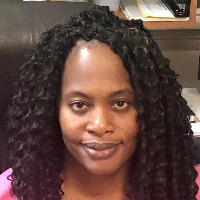
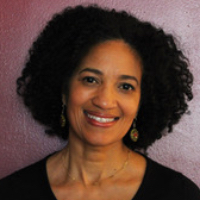
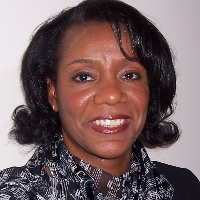
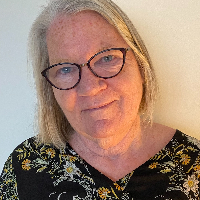
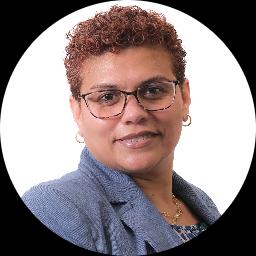
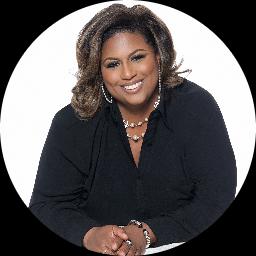
On this page you will find profiles of female therapists who work with adults and families in the District of Columbia, including clinicians serving Washington neighborhoods. Browse the listings below to compare specialties, approaches, and appointment options before reaching out.


















How therapy with a female therapist works for District of Columbia residents
Choosing to work with a female therapist means selecting a clinician whose gender identity may shape aspects of how you connect and how care is presented. In the District of Columbia you can meet with therapists in person in clinics and private practices across Washington or through online sessions that fit busy schedules. Sessions typically last 45 to 60 minutes and focus on the goals you and the therapist set together. Initial appointments are often exploratory - you and the clinician will review your concerns, discuss prior treatment if any, and identify what a helpful therapy process might look like.
The clinical approaches used by female therapists in the District of Columbia vary. Some clinicians emphasize cognitive and behavioral strategies that help you change thinking and habit patterns. Others focus on processing emotions, improving relationships, or addressing life transitions through insight-oriented and humanistic methods. Evidence-informed practices are common, meaning the therapist draws on research where appropriate while tailoring methods to your individual needs and cultural context.
Finding specialized help for your needs in the District of Columbia
If you are looking for a therapist who understands specific life experiences, you can narrow your search by specialty and training. Some female therapists focus on perinatal and postpartum mental health, working with people through pregnancy and early parenthood. Others have experience addressing relationship challenges, trauma recovery, anxiety, depression, or identity-related concerns. There are clinicians who concentrate on serving particular communities or who have training in culturally responsive care for people living and working in Washington and nearby neighborhoods.
When you review profiles, look for information about a clinician's education, licensure, and areas of focus. Many therapists list modalities they use, such as trauma-focused work, mindfulness-based methods, or dialectical approaches for emotional regulation. If you have insurance, check whether a therapist accepts your plan or offers sliding scale fees. If you prefer in-person meetings, note the office location and whether it is easy to reach from transit routes in the District of Columbia.
What to expect from online therapy with a female therapist
Online therapy has become a practical option for many people in the District of Columbia, making it easier to attend appointments around work, family commitments, and travel within the region. When you choose online sessions you will typically use a video platform recommended by the therapist. Before your first meeting you may receive guidance on how to prepare - for example, selecting a quiet, comfortable environment where you can speak without interruption. You and the therapist will determine boundaries around scheduling, cancellations, and emergency plans ahead of time.
Clinical outcomes for online therapy can be similar to in-person care when you have a good match with your clinician. You should expect the therapist to use active listening, ask clarifying questions, and suggest practical strategies you can apply between sessions. Some therapists incorporate digital tools such as worksheets, brief exercises, or journal prompts to support progress. If you live or work in Washington, online sessions can remove commuting barriers while still allowing you to build rapport and pursue meaningful change.
Common signs that you might benefit from working with a female therapist
You might consider seeking a female therapist if you notice persistent changes in mood, energy, or daily functioning that affect your work or relationships. Struggling to manage anxiety, facing prolonged sadness, or feeling stuck during a major life transition are all common reasons people reach out. You may also seek a female therapist if you desire a clinician who understands gender-specific issues or life stages such as pregnancy, menopause, caregiving responsibilities, or gender-based workplace challenges.
Relationship stress, parenting concerns, and experiences of past trauma are other situations where therapy can help. If you find that coping strategies that once worked no longer provide relief, or if you are having repeated conflicts that erode your sense of well-being, a therapist can help you develop new tools and perspectives. Living in a busy urban setting like Washington can add unique pressures - balancing work, community involvement, and family life - and a therapist can assist in finding sustainable approaches.
Tips for choosing the right female therapist in the District of Columbia
Start by clarifying what matters most to you in therapy. Consider whether you prefer a clinician with a particular training background, such as trauma-focused therapy, family systems work, or cognitive behavioral techniques. Think about logistical factors like availability, location, and whether you want in-person sessions in Washington or remote appointments. Reading therapist bios can help you gauge style and approach; some clinicians share case examples, values, and what a typical session involves.
When you contact a therapist, prepare a few questions to assess fit. You might ask about their experience with issues like yours, how they measure progress, and what a typical therapy plan would include. Pay attention to how the therapist responds - clear, respectful communication in those initial exchanges is a useful indicator of how comfortable you might feel working together. If you try a few sessions and feel the match is not right, it is reasonable to look for another clinician whose style and specialties better align with your preferences.
What to do after you find a therapist
After you identify a therapist you want to try, schedule an initial appointment and use it to set goals and expectations. Many clinicians invite you to revisit goals periodically and adjust the approach as you progress. Keep notes on what strategies are most helpful and be honest with your therapist about what is working or not. If you live in the District of Columbia and commute across neighborhoods in Washington for work or family, consider whether a mix of in-person and online sessions would best support ongoing care.
Therapy is a collaborative process and finding the right clinician can take time. By considering fit - including clinical focus, communication style, and practical arrangements - you increase the likelihood of building a productive working relationship. When you reach out to clinicians on this page, you are taking a first step toward focused support tailored to your needs and circumstances in the District of Columbia.
Connecting with local resources
If you want additional support, local community centers, university clinics, and employee assistance programs in Washington may offer referrals or low-cost options. Combining therapy with community resources, peer groups, and self-care practices can create a more rounded support network. When you choose a therapist from the listings above, consider asking about recommendations for supplemental services that align with your goals.
Final thoughts
Working with a female therapist in the District of Columbia can provide a focused, gender-informed perspective that complements your priorities. Whether you seek brief coaching for a specific challenge or longer-term therapy to explore deeper patterns, the right clinician can help you identify practical steps forward. Use the profiles and information on this page to compare options, contact therapists to ask questions, and schedule an initial visit that fits your life in Washington and the surrounding area.