Find a Family Therapist in District of Columbia
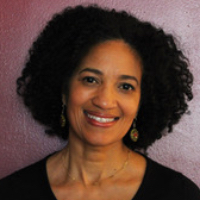
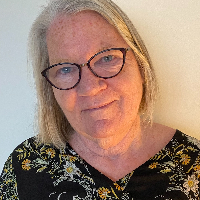
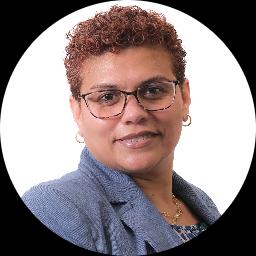
This page presents family therapy professionals serving the District of Columbia, including clinicians with experience in parenting, blended families, and communication work. Browse the listings below to review profiles and connect with therapists who match your family's needs.





















How family therapy works for District of Columbia residents
Family therapy brings family members together with a trained clinician to address patterns of interaction that affect wellbeing, relationships, and daily functioning. In the District of Columbia you will find sessions offered in office settings as well as online, which makes scheduling easier for people who live in Washington or nearby neighborhoods. A typical course begins with an intake conversation to identify immediate concerns and goals, followed by regular sessions where a therapist helps the group explore communication patterns, roles, and problem-solving strategies. Depending on your family's needs, therapy may focus on improving parenting practices, navigating a separation or remarriage, supporting adolescent development, or addressing stress that affects the household.
Therapists in the District are trained in various models - for example systems-oriented approaches that look at relationships and interaction patterns, or skills-based methods that teach concrete communication and conflict-management techniques. Many clinicians combine approaches to tailor work to each family. You can expect the first few sessions to include history-taking and setting clear goals so that progress can be measured and adjusted over time.
Finding specialized help for family issues in the District of Columbia
When you begin your search, think about the specific challenges your family is facing and look for clinicians who list those areas as specialties. Some professionals focus on parenting support, others on adolescent behavior, blended-family transitions, or the effects of trauma on family dynamics. In Washington you may find therapists who work closely with local schools, pediatricians, or community organizations, which can be helpful if coordinated care is important to you. Language access and cultural competence are also important considerations in the District where communities are diverse; many therapists offer services in languages other than English or have experience with particular cultural or faith traditions.
Licensing and professional credentials are relevant factors to review. Look for clinicians who are identified as licensed therapists, psychologists, or social workers and who list experience in family work. Many practitioners include short bios that describe their training, therapeutic approach, and populations they serve. Reading these profiles can help you narrow choices before reaching out. It is also reasonable to ask potential providers about their experience working with families similar to yours in size, composition, and the issues you want to address.
What to expect from online family therapy
Online family therapy offers flexibility for households across the District, especially for families juggling school, work, and commuting challenges in Washington. Sessions typically occur over video conferencing, though some clinicians offer phone-based options. You should expect the therapist to discuss logistics at the start - who will attend each session, how to handle interruptions, and what to do in case of technical difficulty. Online sessions can be especially useful when family members live in different parts of the metropolitan area or when it is difficult to bring everyone together in person.
To make the most of virtual sessions, choose a quiet area where participants can speak openly and without interruptions. Tech readiness helps - testing your camera and microphone ahead of time and having a fallback plan if a connection drops reduces stress. Therapists will often set norms for online work, such as how to take turns speaking, what to do when a child needs a break, and how to share resources between sessions. If you plan to use online therapy while living in the District, verify that the therapist is licensed to provide services to residents in the District, as licensure rules govern where clinicians can practice remotely.
Common signs that someone in the District of Columbia might benefit from family therapy
You might consider family therapy if you notice recurring conflicts that do not resolve, if communication has broken down to the point where important topics are avoided, or if a recent transition - such as a move, divorce, or the arrival of a new partner - has increased tension at home. Behavioral changes in a child or adolescent, such as declining school performance, withdrawal, or increases in acting out, often point to dynamics that affect the whole family. Caregiver burnout and feeling unsupported while managing household responsibilities are additional signals that external help could be useful.
Other situations that often lead families to seek therapy include grief or loss, challenges related to chronic illness, substance-related stress, or the strain of combining households. You do not need a crisis to benefit from family therapy - many families seek help to strengthen bonds, improve routines, and build strategies for dealing with conflict before problems escalate. In a city like Washington, where demands on time and energy can be high, finding ways to create more predictable home interactions and clearer expectations can bring relief and a greater sense of connection.
Tips for choosing the right family therapist in the District of Columbia
Begin by defining what you want to accomplish in therapy and use those goals to guide your search. Look at therapist profiles for experience with families and for statements about therapeutic approach and values. When you contact a clinician, prepare a few questions about how they typically work with families similar to yours - ask about session structure, whether they include individual sessions when needed, and how they involve children or adolescents. It is appropriate to ask about fees, insurance acceptance, and whether a sliding scale is offered if cost is a concern.
Consider practical matters such as location and access. If you prefer in-person meetings, note proximity to public transit or parking options in Washington neighborhoods. If you require evening or weekend appointments due to work or school schedules, ask about availability up front. Cultural fit and personal rapport matter greatly in family work, so a short initial consultation can help you assess whether a therapist’s style feels like a good match. Trust your impressions about whether the therapist listens, explains their approach clearly, and invites collaboration.
It is also useful to ask about how the therapist measures progress and what a typical treatment timeline might look like for your concerns. Some families benefit from short-term focused work with periodic follow-ups, while others prefer longer-term engagement. Finally, remember that it is acceptable to try a few providers before settling on one that matches your needs - finding the right fit is a key part of the process.
Working with schools, pediatricians, and community resources
Therapists in the District often collaborate with other local professionals when that coordination supports your goals. If school difficulties are a concern, many clinicians are willing to consult with teachers or school counselors with your permission. Similarly, if medical or developmental issues play a role, coordinated conversations with pediatricians can help align supports. Community organizations in the District can offer complementary resources such as parenting workshops, family education programs, and support groups that bolster in-session work.
Next steps
When you are ready to begin, review therapist profiles on this page, reach out for a brief consultation, and prepare a few notes about the concerns and goals you want to address. Whether you choose in-person meetings in Washington or online sessions that fit your schedule, family therapy can provide a structured place to practice better communication, set clearer boundaries, and build strategies that make daily life more manageable. Taking the first step to connect with a clinician is a practical move toward strengthening relationships and improving how your family functions together.