Find a Black Therapist in Delaware
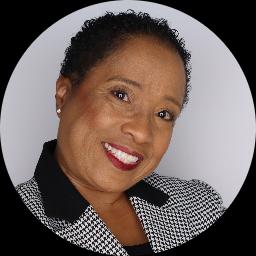
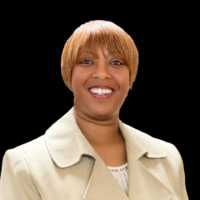
This page features Black Therapist practitioners serving Delaware, with profiles you can review for specialties, approaches, and availability. Browse the listings below to compare clinicians and find a good match for your needs.

















How Black Therapist care works for Delaware residents
If you are looking for a therapist who emphasizes Black Therapist approaches, you will find services that combine mental health techniques with attention to cultural context and lived experience. In Delaware this often means clinicians integrate evidence-based methods with an awareness of racial identity, community history, and the particular stressors that can accompany life in a small state. You may meet with a therapist in an office near Wilmington, Dover, or Newark, or you may choose remote sessions that fit your schedule and location. Regardless of setting, the initial meetings usually focus on understanding your goals, priorities, and what feeling supported looks like for you.
Finding specialized help for Black Therapist in Delaware
When you search for a clinician who specializes in Black Therapist care, start by looking at credentials and training that indicate experience with culturally focused work. Licensed professionals in Delaware hold state credentials and may list additional certifications or training in culturally responsive practices. Reading provider profiles can help you learn about their therapeutic orientation, populations served, language abilities, and areas of expertise. If you live near Wilmington, you might prefer someone who offers evening hours to fit commuting schedules. In Dover, you may find clinicians who work with state employees or families, while in Newark there are often options convenient to students and young professionals. Consider practical matters like location, appointment hours, whether clinicians accept your form of payment, and whether they offer sliding scale fees if cost is a concern.
What to expect from online therapy for Black Therapist
Online therapy can be a good option if you need flexibility or prefer meeting from home or another comfortable environment. Sessions typically happen via video, phone, or text-based messaging, and they follow a similar flow to in-person work: intake conversation, assessment of goals, and ongoing sessions that build on agreed-upon objectives. You should plan to find a quiet, uninterrupted space where you can speak openly and focus. Many clinicians will explain how they handle scheduling, cancellations, and emergency referrals during that first intake so you know what to expect. If you are in Delaware and choose online care, remember that therapists must be licensed in the state they practice from or in your state depending on regulations. Asking about licensure and practice location during your first contact will clarify whether an online provider can legally work with you.
Signs you might benefit from Black Therapist therapy
You might consider seeking a clinician with Black Therapist expertise if you notice persistent stress related to race-based experiences, identity questions, or family dynamics that intersect with cultural expectations. If you are feeling overwhelmed by anxiety or mood changes, having difficulty with relationships, or experiencing grief and loss that feels layered by community or historical factors, a therapist who understands cultural context can be helpful. People also seek this type of care when navigating major life transitions - such as parenthood, career shifts, or moving between cities like Wilmington and Newark - and want a practitioner who recognizes how cultural identity shapes those transitions. If you find that past experiences of discrimination or microaggressions continue to affect your daily functioning, talking with a clinician who has experience with these issues may provide relief and practical coping strategies.
Choosing the right therapist for this specialty in Delaware
Finding the best match is a personal process and it helps to approach it with a few key priorities in mind. Think about the qualities that matter most to you - whether that is shared cultural background, a therapist's experience with specific life stages, or familiarity with faith traditions and community contexts you value. When you contact a potential clinician, pay attention to how they talk about their experience with Black Therapist matters and how comfortable you feel with their language and style. Practical considerations like insurance acceptance, session length, and availability are important, but do not overlook how you feel about a therapist's approach to race, identity, and cultural stressors. If you live in Dover or nearby, an in-person appointment may be realistic and valuable for building rapport. If your schedule is tight or you are in a rural part of Delaware, online sessions may offer easier access.
Questions to ask during your first contact
When you reach out to a clinician, asking a few direct questions can save time and help you make an informed decision. You might ask about their experience working with Black communities, their typical approach to therapy, and how they incorporate cultural factors into treatment. It is reasonable to inquire about logistics - fees, cancellation policies, and whether they offer a sliding scale. You can also ask how they approach matters like trauma, stress, and identity if those are part of your concern. A good clinician will welcome these questions and provide clear responses to help you evaluate fit.
Practical tips for starting therapy in Wilmington, Dover, and Newark
Begin by narrowing your search to clinicians who list the specialties and approaches that resonate with you. Read profiles carefully to get a sense of their philosophy and training. If insurance is part of your plan, check provider panels and ask about reimbursement. Consider timing - some clinicians offer evening or weekend appointments that can fit around work or caregiving responsibilities. If you are near a university in Newark or the business districts of Wilmington, you may find clinicians who specialize in student or professional stress. In smaller communities, clinicians may also have strong ties to local resources and community groups that can supplement your care. Once you have a few candidates, schedule brief introductory calls when possible to get a sense of rapport before committing to regular sessions.
What to expect from ongoing care
After the first few sessions, you and your therapist will typically refine goals and identify practical steps to address them. Therapy may include exploring patterns in relationships, developing coping skills for stress, or working through the emotional impact of life events. Progress is often gradual and may involve revisiting difficult topics as you build resilience. You should expect periodic check-ins about how the work is going and adjustments to the plan as needed. If therapy is not a good fit, a thoughtful provider will help you find a different clinician or resource that better meets your needs.
Final thoughts
Choosing a clinician who focuses on Black Therapist perspectives can make a meaningful difference in how supported you feel during therapy. Whether you prefer someone near Wilmington, an office in Dover, a clinician convenient to Newark, or the flexibility of online sessions, take the time to review profiles, ask questions, and trust your instincts about fit. Starting the search is the first step toward finding care that honors your experience and helps you move toward your goals. When you are ready, reach out to a few clinicians to compare options and schedule an initial conversation - that first call often clarifies whether a therapist will be the right partner for the work you want to do.