Find a Queer Friendly Therapist in Connecticut
This page lists Queer Friendly therapists available throughout Connecticut, with profiles that highlight clinical focus, approaches, and service areas including Hartford, New Haven, Stamford, and Bridgeport. Browse the therapist listings below to review qualifications and contact options that match your needs.





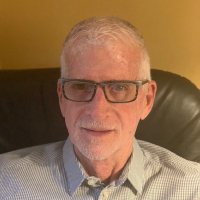
Stephen Witte
LCSW
Connecticut - 48 yrs exp


















How Queer Friendly Therapy Works for Connecticut Residents
Queer Friendly therapy centers on creating an affirming, nonjudgmental approach to mental health and well-being for people who identify as lesbian, gay, bisexual, transgender, queer, questioning, or otherwise part of the LGBTQ+ community. In Connecticut, clinicians who describe themselves as Queer Friendly often combine cultural competency with clinical training to address issues that commonly affect queer people - such as identity exploration, coming out, relationship dynamics, minority stress, and navigating medical or social systems. You can expect a practitioner to prioritize understanding your lived experience and to adapt therapeutic tools to the realities you face in your community and relationships.
Local Context Matters
Practicing in Connecticut brings particular considerations. Urban centers like Hartford, New Haven, Stamford, and Bridgeport each have different community resources, social networks, and access to specialized services. A Queer Friendly therapist who works with college students in New Haven may be familiar with campus health and student support services, while a clinician in Stamford might have experience addressing workplace issues in a suburban environment. Knowing a therapist's local experience can help you find someone who understands the settings where you live, work, or study.
Finding Specialized Help for Queer Friendly Needs in Connecticut
Begin by identifying what you want help with - whether it is gender identity support, relationship counseling, trauma-informed care, or assistance navigating family dynamics. Clinic and private practice profiles typically list specialties, therapeutic approaches, and populations served. Many therapists also include indicators such as pronoun use or membership in professional groups that emphasize LGBTQ+ competency. When you search for clinicians, look for descriptions that match both the issues you want to address and the style of therapy you prefer, such as cognitive behavioral methods, psychodynamic work, or trauma-informed approaches.
Using Location and Logistics
You may prefer a therapist who is near your home or workplace for in-person sessions, or someone with flexible scheduling if you have a busy routine. If proximity matters, focus on practices listed in or near Hartford, New Haven, Bridgeport, or Stamford. If anonymity or convenience is more important, explore clinicians who offer virtual appointments. Consider also whether the therapist has experience coordinating care with local providers, legal advocates, or medical teams when needed.
What to Expect from Online Therapy for Queer Friendly Care
Online therapy has become a common way to access Queer Friendly care across Connecticut, particularly for people in areas with fewer local specialists. When you choose online therapy, you can access clinicians who specialize in LGBTQ+ issues even if they are based in another part of the state. Sessions typically take place over video or phone in a scheduled format similar to in-person visits. Expect therapists to review logistical details such as scheduling, fees, technology guidance, and how they protect your privacy and data before beginning work together. Many clinicians will also discuss boundaries around communication outside of sessions and what to do in a mental health emergency.
Benefits and Practical Considerations
Online therapy can remove travel time and make it easier to maintain continuity of care if you move within Connecticut or travel for work. It can also expand your options for specialists who are a good match for your identity and needs. However, technology can present challenges - unstable internet or limited access to a quiet place for sessions can affect the experience. When booking online sessions, plan for a place that allows you to speak freely and for backup options if the connection fails. If you live near larger cities like Hartford or New Haven, you may find a mix of in-person and online offerings that you can combine as needed.
Signs You Might Benefit from Queer Friendly Therapy
There are many reasons people seek Queer Friendly therapy. You might be encountering persistent stress related to your identity, feeling isolated from family or community, experiencing anxiety or depression, or wanting support for a gender transition. Relationship conflicts around identity or sexuality, workplace discrimination, and trauma related to harassment or violence are also common reasons to seek therapy. Even if your concern seems smaller - for example, wanting guidance on dating after coming out or navigating new pronoun usage with loved ones - working with a therapist who understands queer experiences can make a significant difference in how supported you feel.
Life Transitions and Support Needs
Life transitions such as moving to a new city in Connecticut, starting college, changing careers, or beginning a medical transition can raise questions that are well suited to therapeutic exploration. If you are making a transition and want someone who both respects your identity and offers practical guidance - for example, on communicating with family members or planning for legal steps - a Queer Friendly therapist can help you create a plan and build coping strategies.
Tips for Choosing the Right Queer Friendly Therapist in Connecticut
Start by clarifying what matters most to you in therapy - shared identity, clinical approach, experience with specific concerns, or logistical fit like location and hours. Read clinician profiles to gauge their language and whether they explicitly state competency with LGBTQ+ populations. When you contact a therapist, ask about their experience working with issues similar to yours, their approach to cultural humility, and how they support clients through identity-related stressors. It is reasonable to ask about licensure and whether they are currently practicing in Connecticut, especially if you plan to use online sessions from within the state.
Trust Your First Impressions
The initial conversation or consultation can reveal a lot about fit. Notice whether the therapist uses respectful language around gender and sexuality, whether they listen to your goals, and whether they outline a collaborative plan. If a therapist does not feel like a good match, it is okay to try a different clinician until you find someone who meets your needs. Many people meet a few therapists before they find the right fit, and finding someone who helps you feel heard and affirmed is an important part of the process.
Accessing Community Resources and Local Supports
Connecticut has a range of community organizations, support groups, and health services that can complement therapy. Therapists often know local referrals for legal assistance, gender-affirming medical providers, or peer support groups in cities like Bridgeport, New Haven, and Hartford. Integrating therapy with community resources can help you build a broader support network and find practical assistance for nonclinical needs. When selecting a therapist, consider whether they are willing to collaborate with other professionals and connect you to local services if needed.
Next Steps
When you are ready to begin, use the directory listings to compare clinician profiles and reach out to those who align with your goals and logistics. Prepare a short list of questions to ask during your first contact, and be open to scheduling an initial session to assess fit. With thoughtful searching and clear communication about what you need, you can find a Queer Friendly therapist in Connecticut who supports your well-being and helps you move forward with confidence.