Find an LGBT Therapist in Connecticut
This directory page highlights clinicians who focus on LGBT-affirming care across Connecticut, from in-office practices to remote therapy options. Browse the listings below to compare approaches, areas of experience, and availability to find a good match for your needs.





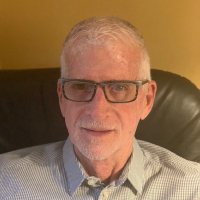
Stephen Witte
LCSW
Connecticut - 48 yrs exp

















How LGBT therapy typically works for Connecticut residents
When you begin LGBT-focused therapy in Connecticut, the process usually starts with a brief intake to gather basic information about your goals, history, and any immediate concerns. Therapists who specialize in LGBT care often use a blend of talk therapy, affirmation-focused approaches, and skills-based work to address coming-out questions, identity development, relationship concerns, or the emotional effects of discrimination. Sessions can be scheduled weekly, biweekly, or at another cadence you agree on with your clinician, and duration of therapy varies based on the goals you set together.
Therapists in Connecticut follow state licensing and ethical guidelines, so you can ask about a clinician's license and credentials during an initial call or message. Many practices will describe whether they have experience with gender-affirming care, work with young people or adults, or provide couples therapy. You should expect a conversation about personal nature of sessions practices, telehealth options, and how emergencies are handled before moving into deeper clinical work.
Local considerations in Connecticut
Connecticut has a mix of urban and suburban communities, and access to LGBT-competent care can vary by location. Cities like Bridgeport, New Haven, Hartford, and Stamford are regional hubs where you are more likely to find clinicians with specialized training in LGBT issues. If you live outside these cities, online options can expand the pool of available therapists. Local community centers, university counseling centers, and advocacy organizations can also be useful sources of referrals and information about clinicians who focus on LGBT concerns.
Finding specialized LGBT help in Connecticut
To find a therapist who meets your needs, start by identifying what matters most to you - whether that is experience with gender identity, work with transgender or nonbinary clients, couples counseling for queer relationships, or support with family coming-out conversations. Many clinicians include specialty notes in their profiles so you can see whether they have training or experience in areas that match your concerns. You can also look for clinicians who emphasize cultural competence, trauma-informed approaches, or who advertise that they serve specific age groups like adolescents or older adults.
Referrals from community groups, local health centers, or supportive friends can be especially helpful when you want a clinician who understands the intersections of sexual orientation, gender, race, and religion. In cities such as New Haven and Hartford there are networks and directories maintained by advocacy organizations that highlight affirming practitioners. If cost or insurance is an issue, ask about sliding-scale fees, community clinics, or clinicians who accept your insurance plan so you can balance affordability with fit.
What to expect from online therapy for LGBT care
Online therapy has become a practical option for many Connecticut residents, particularly if you live in a smaller town or prefer the convenience of remote sessions. Virtual therapy typically uses video conferencing, phone, or messaging to conduct sessions. This format allows you to work with clinicians across the state, not just in your immediate area. If you are seeking specialized LGBT services that are less common where you live, telehealth can connect you with clinicians who have the right expertise.
When considering online therapy, make sure the clinician is licensed to practice in Connecticut - therapists must meet state licensing requirements to provide care to residents. You should also ask about how telehealth sessions are scheduled, the platform used for video calls, and what happens if there are technical interruptions. Many people find that remote work feels more accessible and easier to fit into a busy week, while others prefer the in-person experience offered by offices in cities like Bridgeport or Stamford. Either way, it is reasonable to discuss your preferences during an initial consultation.
Common signs you might benefit from LGBT-focused therapy
You might consider seeking LGBT-focused therapy if you are navigating coming-out conversations and feel uncertain about how to talk with family or coworkers. If questions about your gender or sexual identity are causing persistent stress or interfering with daily routines, a specialized clinician can help you explore those feelings in a supportive setting. Relationship conflict related to identity, changes in intimacy, or differing expectations within queer partnerships are also common reasons people seek specialized counseling.
Experiences of discrimination, microaggressions, or workplace bias can create ongoing emotional strain. While not everyone who faces these challenges will pursue therapy, you may find it helpful to have a clinician who understands minority stress and the specific social pressures that LGBT people encounter. Similarly, if you are considering medical or social gender transition, supportive therapy can provide coping strategies, help with decision-making, and assistance in navigating conversations with family, employers, or medical providers.
Tips for choosing the right LGBT therapist in Connecticut
Begin by clarifying what you want from therapy and the qualities that matter in a clinician, such as experience with trans clients, knowledge of queer relationship dynamics, or a trauma-informed approach. Use initial consultations to ask about a clinician's experience with issues similar to yours, their training, and how they approach identity-related work. Pay attention to whether the clinician uses affirming language, asks about your pronouns, and responds to your concerns in a way that feels respectful and validating.
Consider logistics as part of fit. Think about whether you prefer in-person sessions near cities like Hartford or New Haven, or whether telehealth is more practical for your schedule. Ask about fees, insurance acceptance, cancellation policies, and availability of evening or weekend appointments if needed. If affordability is a concern, inquire about sliding-scale options or community clinics that specialize in LGBT care.
It is also reasonable to assess how the therapist involves family or partners when appropriate. If you are a young person seeking support, ask about the therapist's experience working with adolescents and with families navigating coming-out conversations. For couples, explore whether the clinician offers relationship-focused approaches tailored to queer partnerships. Trust and comfort are central - if a therapist does not feel like a good fit after a few sessions, it is acceptable to look for another clinician who better meets your needs.
Using local resources and community connections
In Connecticut, local organizations and community centers often host support groups, workshops, and referral lists for LGBT-friendly clinicians. Connecting with these groups in cities such as Bridgeport or Stamford can add an extra layer of peer support while you search for a therapist. University counseling centers, particularly in college towns, may also have clinicians or referrals focused on LGBT issues, which can be useful whether you are a student or a community member looking for recommendations.
Next steps
Take your time comparing profiles and reaching out to clinicians with questions about their experience and approach. An initial conversation can give you a sense of fit and what a potential therapeutic relationship might look like. Whether you choose in-person care in a nearby city or telehealth sessions with a clinician across Connecticut, finding a practitioner who listens, affirms your identity, and aligns with your goals can make a meaningful difference in how you navigate relationships, identity, and life transitions.